Portuguese
  Spanish


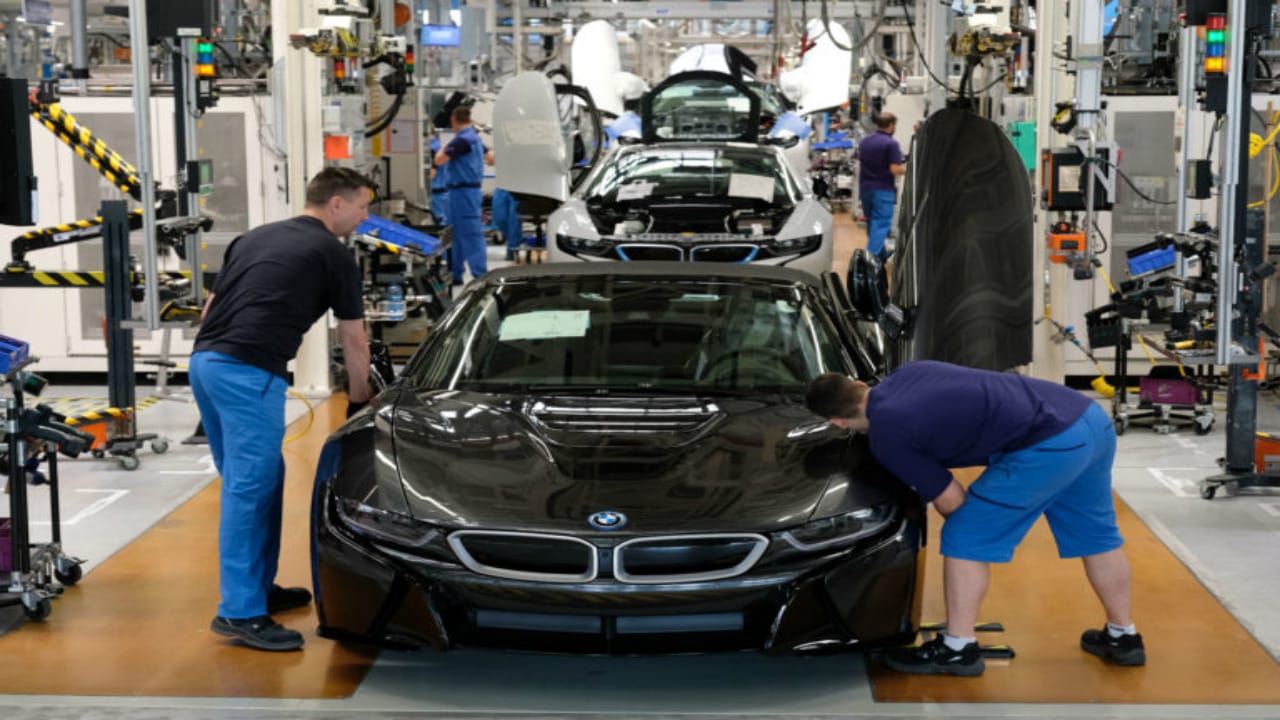

Goodbye To Internal Combustion Engines In Germany: Last BMW V8 Engine Was Manufactured Last Week At Its Munich Factory
The century-old story of BMW reached a significant milestone last week when the iconic factory in Munich halted the production of gasoline internal combustion engines. With the farewell of the last V8 engine, the German automaker is charting a new course towards total electrification.
This radical change reflects the growing demand for electric cars and BMW’s vision to lead this automotive revolution worldwide.
From V8 Engine To Electric Revolution With Global Innovation
The cessation of gasoline internal combustion engine production in Germany does not mean the end of BMW’s traditional vehicles. At least until 2035, the brand will continue to manufacture combustion cars in Europe. However, the main focus now is on the production of fully electric models, such as the BMW i4 and the highly anticipated electric BMW 3 Series. This strategic shift positions BMW at the forefront of the electric revolution, responding to consumer expectations and anticipating market trends.
-
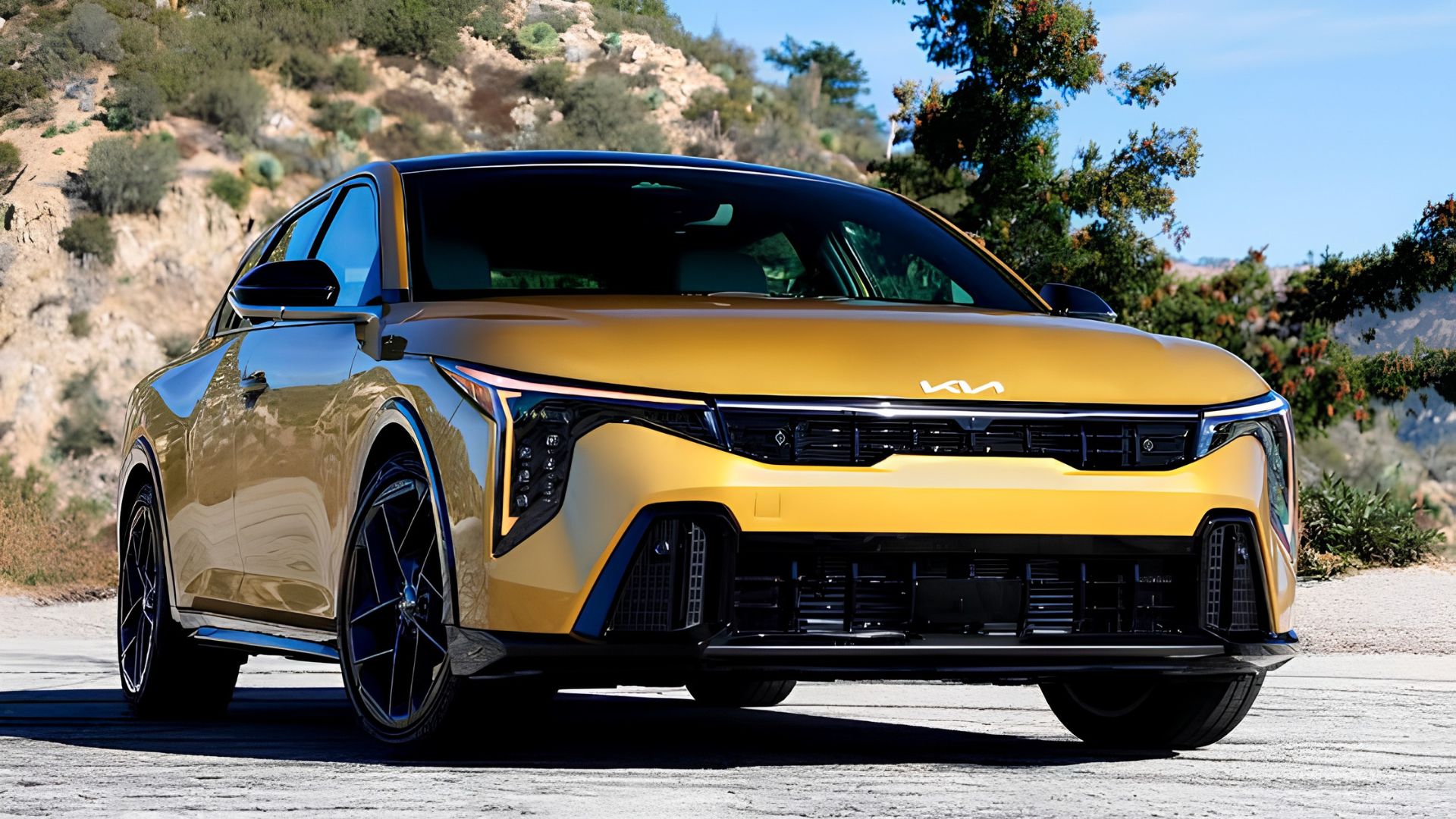
Kia K4 Launches in Portugal with 7-Year Warranty, Targets Volkswagen Golf with 1.0 Turbo Engine, Unavailable in Brazil

-
Uber Women Expands Across Brazil: Female Riders Can Now Choose Women Drivers, Schedule Rides, and Set Automatic Preferences

-
Brazil Plans to Launch Ethanol-Fueled Hybrid Cars in 2026 as an Alternative to Fully Electric Vehicles

-
Hyundai HB20S 2026 Surpasses Onix with Turbo Engine, Fuel Efficiency of 15.2 km/l, and Over 750 km Range, Leading Compact Sedan Sales in Brazil with 5,205 Units Sold.


Brazil On The Path To BMW Electrification
The BMW factory in Araquari, SC, plays a crucial role in the brand’s expansion into the electric market. With a substantial investment in 2021, this modern and advanced unit is ready to embrace electrification. The ability to locally produce electric SUVs, such as the iX1 and iX3, and the anticipated electric 3 Series positions Brazil as an important player in BMW’s global strategy. The country, which already hosts one of the brand’s most modern factories, is now preparing to lead the electric revolution in Latin America.
By ending internal combustion engine production in Germany, BMW not only closes a chapter in its history but also inaugurates a new era of innovation and sustainability. With cutting-edge electric models, the brand is poised to shape the future of mobility. The expansion into Brazil reinforces the global commitment of BMW to lead the electric revolution. As the world witnesses the transformation, BMW continues to accelerate towards an electric horizon, leaving a green and electrifying footprint on the global automotive industry.
Volkswagen, The World’s Largest Vehicle Manufacturer, Also Halts The Development And Production Of Gasoline And Diesel Internal Combustion Engines To Focus On Electric Cars
The multinational Audi, part of the Volkswagen Group, had recently announced that it would not develop any more internal combustion engines and that the automaker’s focus would shift towards the manufacturing of electric cars. Now, the German company itself has embraced this idea, and the head of the brand announced the end of development and manufacturing of this type of propulsion, whether gasoline or diesel.
According to information from Ralf Brandstätter, CEO of Volkswagen, in an interview with Automobilwoche, the German automaker will only continue to update and revise the current gasoline and diesel internal combustion engines to make them more efficient. The reason for this measure is that the multinational will heavily invest in the manufacturing and production of electric cars.
The executive did not specify how long we will still see gasoline and diesel engines in Volkswagen cars, but all indications are that they should remain for the next 10 years.