Portuguese
  Spanish


Multidisciplinary research by the University of Turku and partners analyzed DNA and isotopes of a man buried about four centuries ago near Lake Kitka in Kuusamo, and pointed to genetic links with Sami populations, as well as signs of displacements through distant regions before death.
In Finland, DNA and isotope analyses revealed that a man buried near Lake Kitka in Kuusamo about four centuries ago had genetic links with Sami populations and arrived in the region shortly before dying.
Burial in Finland was found in the 1970s
The grave was discovered near Lake Kitka in the 1970s. The individual, approximately 40 years old, lived around the turn of the 16th to 17th century in northern Finland.
The study was conducted by the University of Turku and partners, in a multidisciplinary investigation that combined DNA analysis recovered from teeth with isotopic tests. The goal was to reconstruct biological and mobility aspects of the man known as the Kitka individual.
-
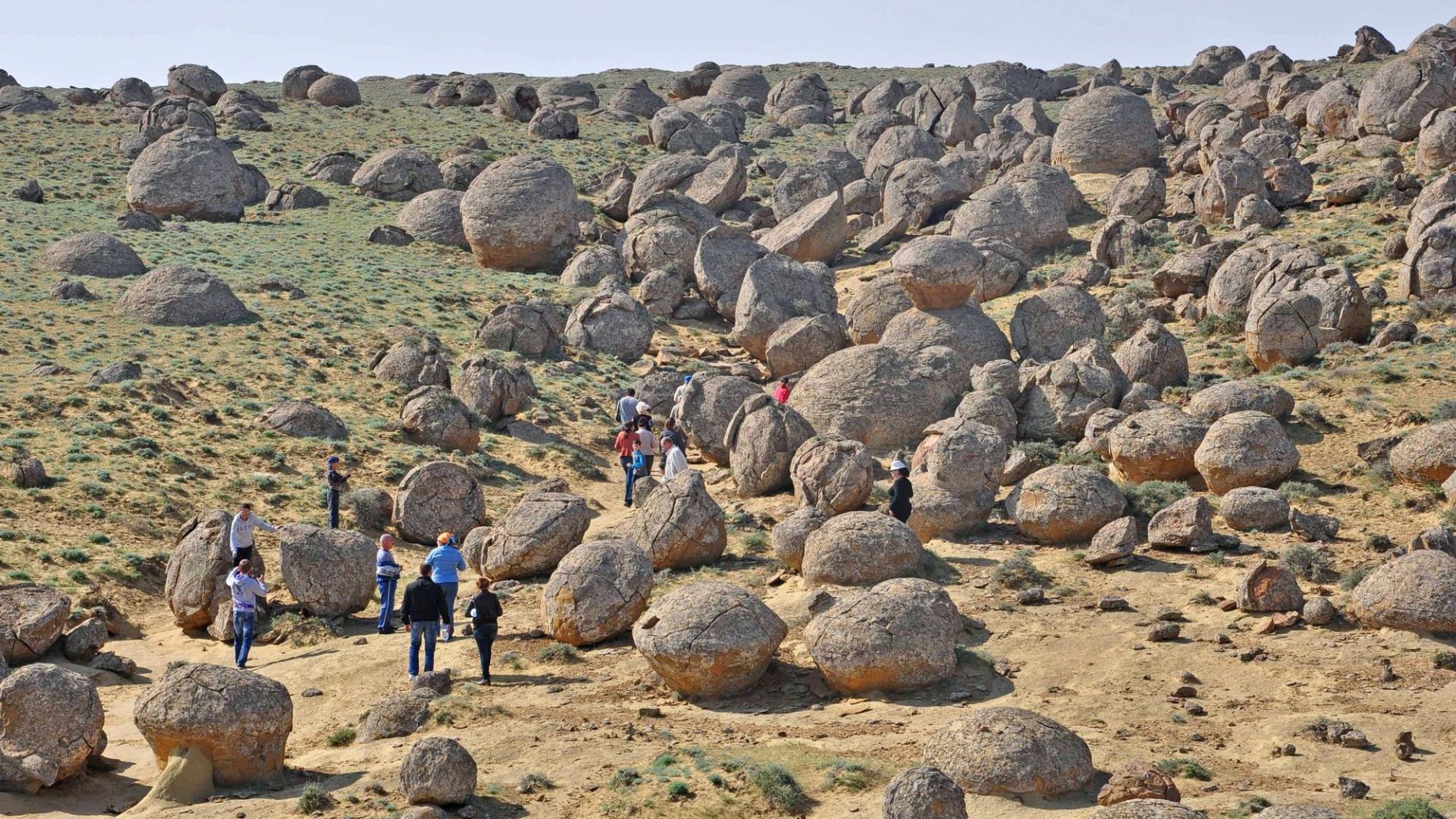
Kazakhstan’s Torysh Valley Holds Thousands of Giant Stone Spheres, Intriguing Scientists with Ancient Oceanic “Cannonballs”

-
Egypt Discovers 18 Ancient Tombs with Gold Tongues, Unveiling Unusual Funeral Rituals and Amulets Believed to Give Voice to the Dead

-
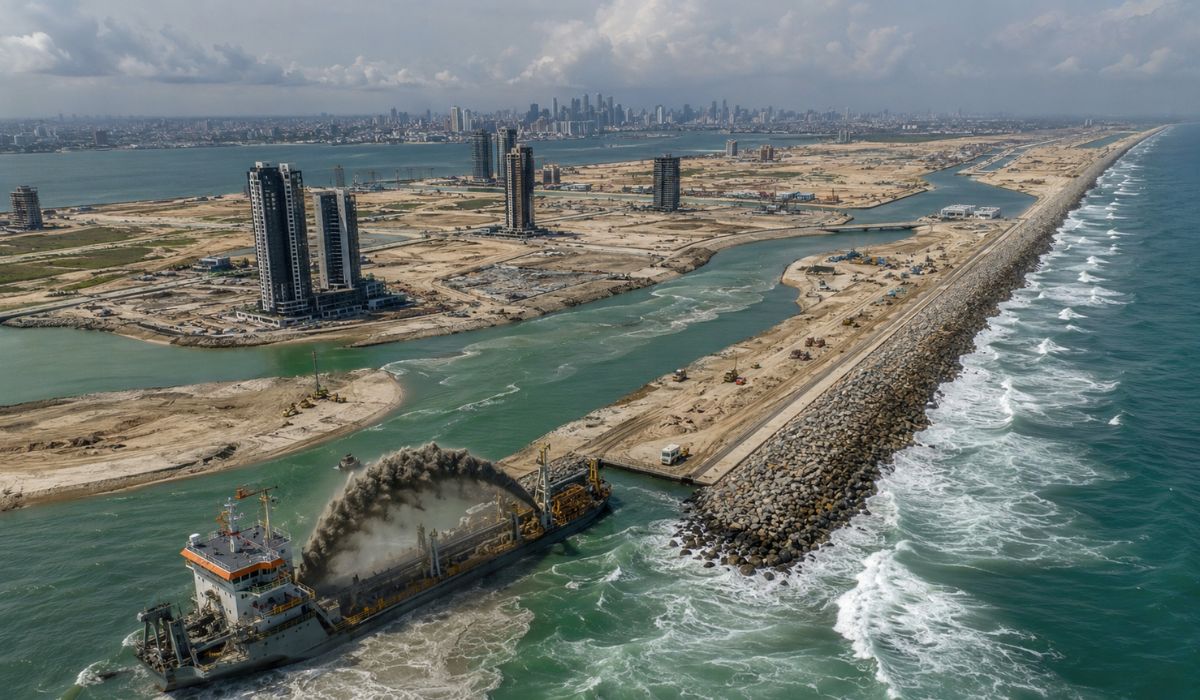
Nigeria Dumps 120 Million Tons of Sand into Atlantic to Build Massive City with 8.4 km Sea Wall for Protection Against Ocean Waves and Erosion
-
German Engineer Developed Diesel Engine Running on Vegetable Oil Decades Before Electric Cars Became Popular; Can This Forgotten Idea Work in 2026?



DNA points to similarity with Sami populations
The ancient DNA was compared with previously studied ancient and modern genomes. The genetic profile of the individual showed greater similarity with historical and contemporary Sami populations.
Small segments of DNA shared with modern Finns were also identified, especially people from the north and northeast of Lapland. The genetic connections were weaker with residents of Kuusamo and southern Finland.
Researcher Sanni Peltola, from the University of Turku, states that a similar pattern appears when current Sami are used in the comparison. For her, this indicates broader historical interaction and interbreeding between Sami and Finnish populations.
Peltola emphasizes, however, that ancient DNA does not determine ethnicity or identity. The Sami identity is treated in the study as a historical, cultural, and social phenomenon, not as a biological characteristic.
The case also sparked interest among genetic genealogists. Nevertheless, the researchers highlight that the evidence does not allow for securely linking someone who lived so long ago to current families or individuals.
Isotopes indicate a life marked by displacements
The isotopic analysis of the teeth suggests that the man arrived in Kuusamo shortly before his death. In childhood, his diet included terrestrial animals, freshwater fish, and seafood.
Later, marine resources gained importance, while freshwater fish, essential in Kuusamo, disappeared from the diet. Marks related to drinking water indicate adolescence in a geologically different area from Finland.
Senior researcher Ulla Nordfors points to a region of volcanic bedrock in the North Atlantic, possibly Iceland, as a likely location. The interpretation is supported by historical evidence of contacts between northern Fennoscandia and the North Atlantic in the 16th century.
Previous research suggested that the individual Kitka could have been a noaidi, a Sami ritual specialist. The new study does not rule out this possibility but indicates a more complex trajectory than earlier interpretations proposed.
For Nordfors, the results show that historical Sami communities and their social roles do not fit the images described by older research.
What stands out most in this study: the genetic link with the Sami, the possible passage through the North Atlantic, or the difficulty of defining ancient identities solely by DNA? Share your opinion and say which point of the discovery helps most to understand human history in northern Finland.