





 Portuguese
  English
  Spanish
  4 min of reading
  0 comments


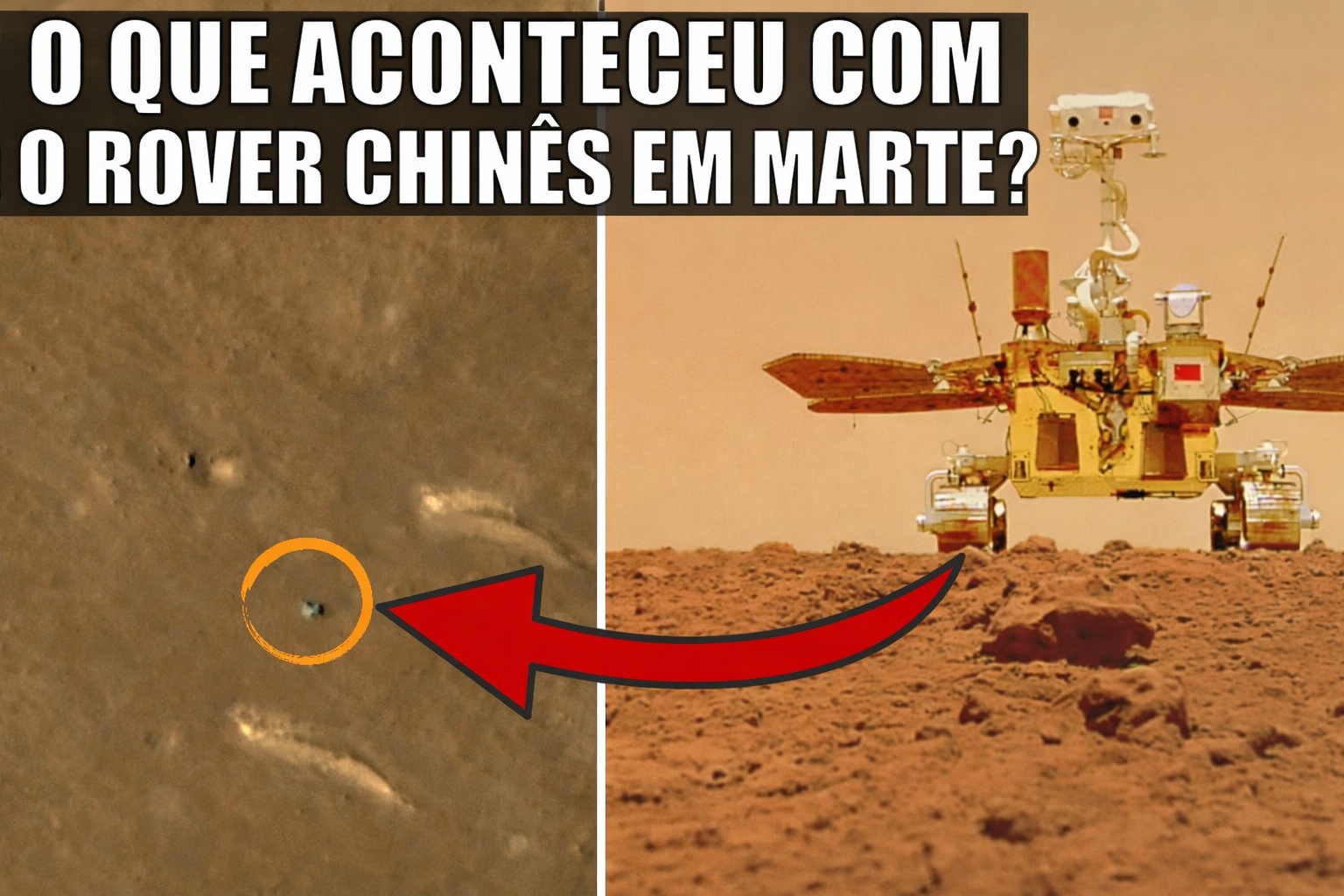
Chinese Rover Reveals That Mars May Have Had Water Up to 750 Million Years Ago, Challenging Climate Models and Reopening Debates on Habitability.
In January 2026, a study published in the scientific journal National Science Review and released by the Chinese Academy of Sciences (CAS) revealed a finding that disrupts the official chronology of Mars: analyses from the Zhurong rover, which landed on the planet on May 15, 2021 in the region of Utopia Planitia, show that water may have left marks and shaped the Martian subsurface until about 750 million years ago, much later than the traditional scientific consensus, which estimated the end of significant hydric activity between 3 and 3.5 billion years ago.
China and the New Hydric Chronology of Mars
The classic narrative in science stated that Mars was wet in the remote past but “definitely” dried up over time, becoming a frozen desert incapable of retaining liquid water for billions of years. What the Zhurong rover found puts this timeline in question.
Scientists identified sedimentary layers and geological structures in the subsurface of Utopia Planitia that, according to the study, are consistent with processes of freezing, thawing, infiltration, and reprecipitation associated with the presence of water in liquid or semi-liquid state during the so-called late Amazonian period.
-
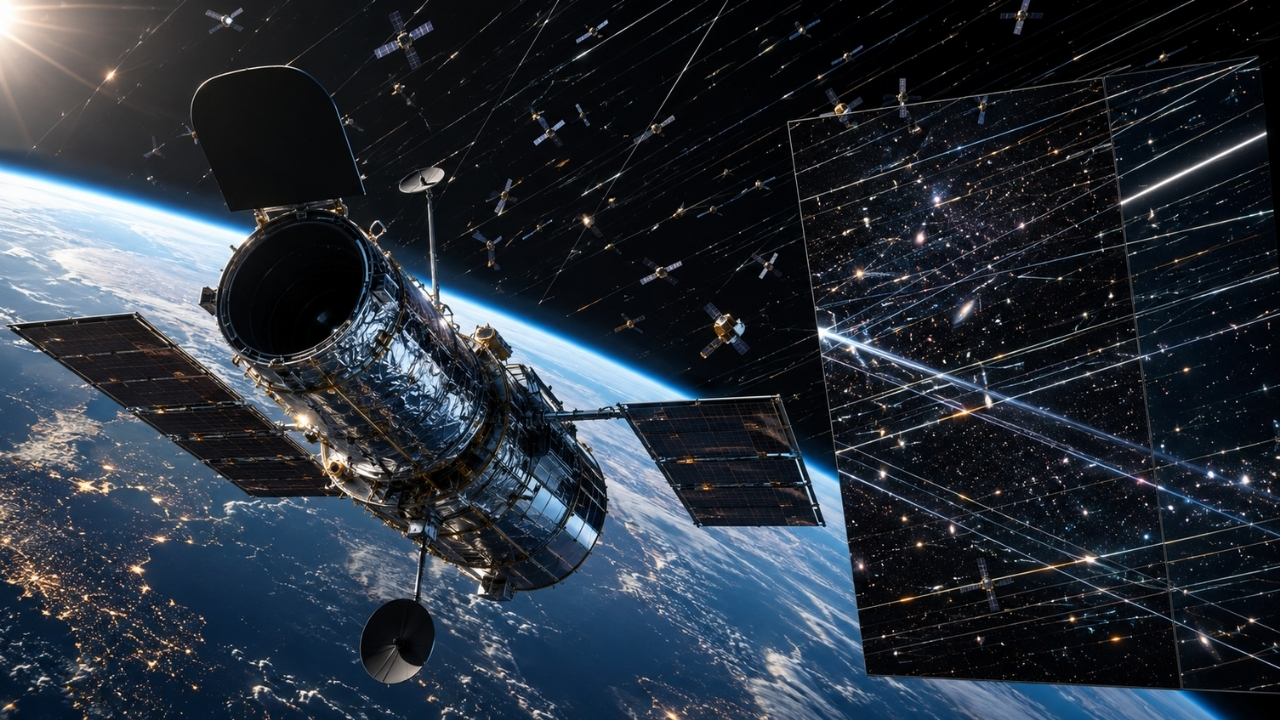
NASA’s space telescope already has 73% of its images contaminated by satellite trails, and scientists warn that the problem could reach 100% if millions of objects are launched into low Earth orbit.

-
From discarded uniform to blanket for those sleeping on the streets: Brazilian initiative transforms tons of corporate fabric into shelter, reduces textile waste, and creates a chain of social impact that starts in companies and ends in the hands of those who need it most.

-
Engineers from Norway develop a submersible barge to lift structures of 2,500 tons without relying on the world’s largest crane ships, aiming to reduce the costs of offshore wind turbine installation.
-
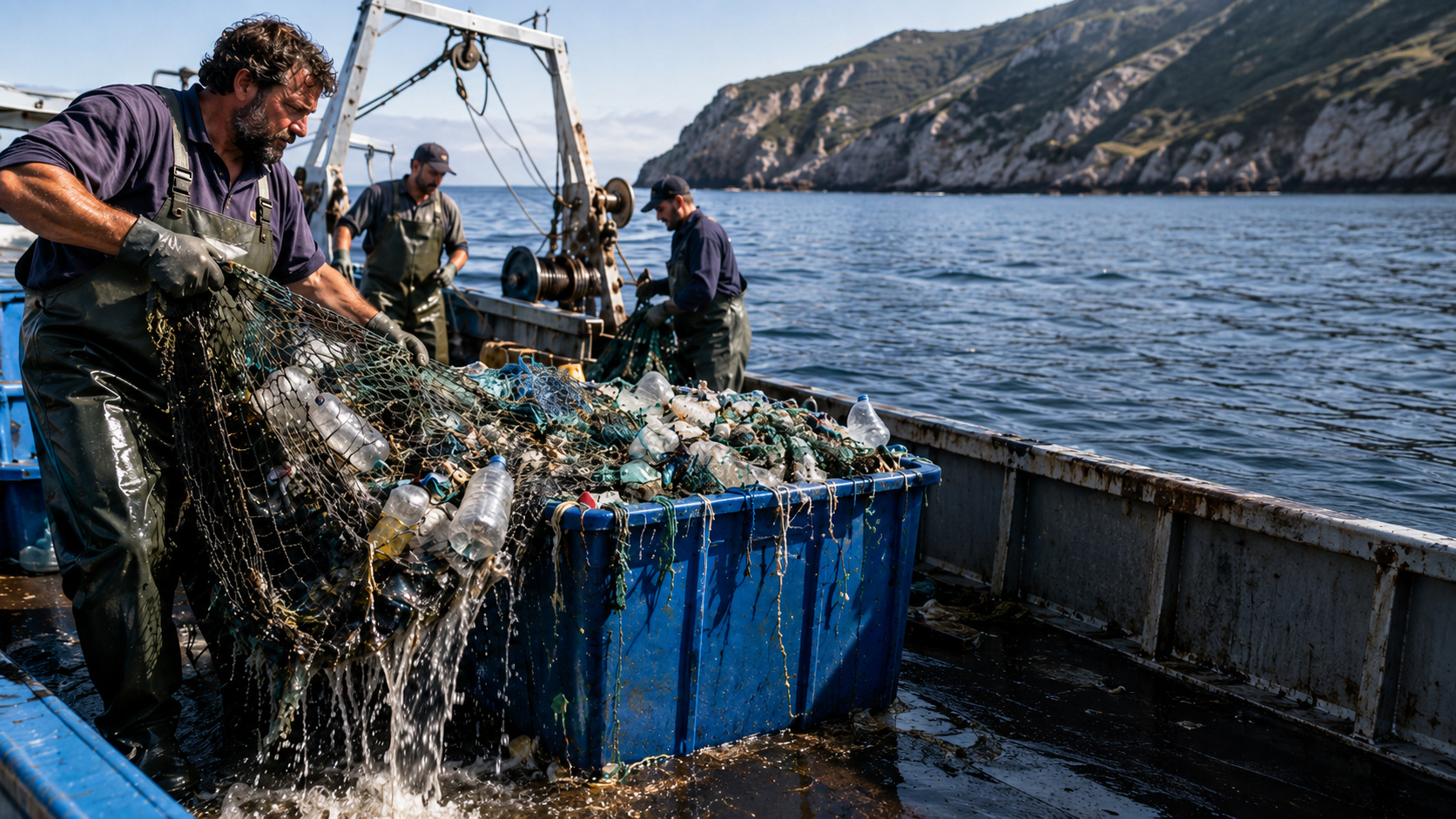
The ocean has become raw material: fishermen remove plastic from the sea and a brand transforms bottles, nets, and marine litter into premium clothing.


This period ranges from about 3 billion years ago to 700 million years ago, meaning the planet may have maintained water cycles much more recently than previously thought.
Where the Rover Worked and How the Finding Was Made
The Zhurong landed in Utopia Planitia, a giant basin in the northern Martian hemisphere. After landing, the vehicle traveled 1,921 meters between 2021 and 2022 until it went offline.
During this period, it used a ground-penetrating radar to “see” what was hidden several meters deep.


This radar detected horizontal layers and stratified deposits that resemble patterns left by frozen water movements, especially when ice melts and refreezes, altering the grain structure and forming compacted sedimentary sequences.
According to the study, the layers appear tens of meters deep and have thicknesses and patterns that would be difficult to explain solely by wind or lava flows, which also shape Mars.
Why This Matters Scientifically
If Mars maintained available water until 750 million years ago, three major implications arise for the scientific community:
The first is climatic: either Mars had heating cycles capable of melting surface and subsurface ice, or it maintained brine flows (saline mixtures) for long periods.
The second is geological: the sedimentary dynamics of the Amazonian period may be incomplete, as the planet would not be just a static desert but a body with periodic interactions between temperature, ice, and salts.
The third is astrobiological: environments with high salinity and periodic thawing are well-known candidates on Earth for hosting resilient microbial forms. This does not mean that Mars had life, but opens more temporal windows for possibility.
“Water Is More Recent Than We Thought” — The New Emerging Consensus
The presence of Amazonian sedimentary structures had already been suggested in previous orbits made by American and European satellites. But the difference with China is that now there are ground data, collected there, on the ground, and measured by a rover that conducted geological tomography of the Martian subsurface.
This movement places Zhurong within the select group of instruments that have already changed the chronology of Mars. Before it, missions like Mars Reconnaissance Orbiter (MRO) had already shown deposits of hydrated salts and relatively young erosive channels. Now, with the Chinese rover, the debate gains field evidence.
And What About the Future of Research?
Zhurong is no longer active at the moment; the rover went into silent mode in 2022 and has not resumed communications. However, the data collected will continue to be analyzed for years.
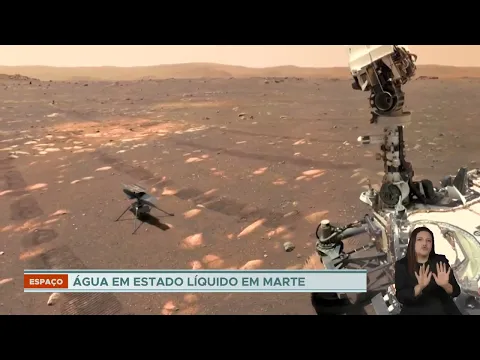
The trend is that future missions, both Chinese and American and European, will prioritize young regions, where water marks may be frozen, preserved, or fossilized in the subsurface.
If the date of 750 million years is confirmed by more samples and more instruments, the climate model of Mars will need to be rewritten.
The finding reinforces a simple yet powerful message: Mars was not a dead planet as early as once thought. Water may have cycled, frozen, and melted in late cycles, creating opportunities for complex chemistry and, perhaps, something more.





-

-

4 people reacted to this.