






 Portuguese
  Spanish


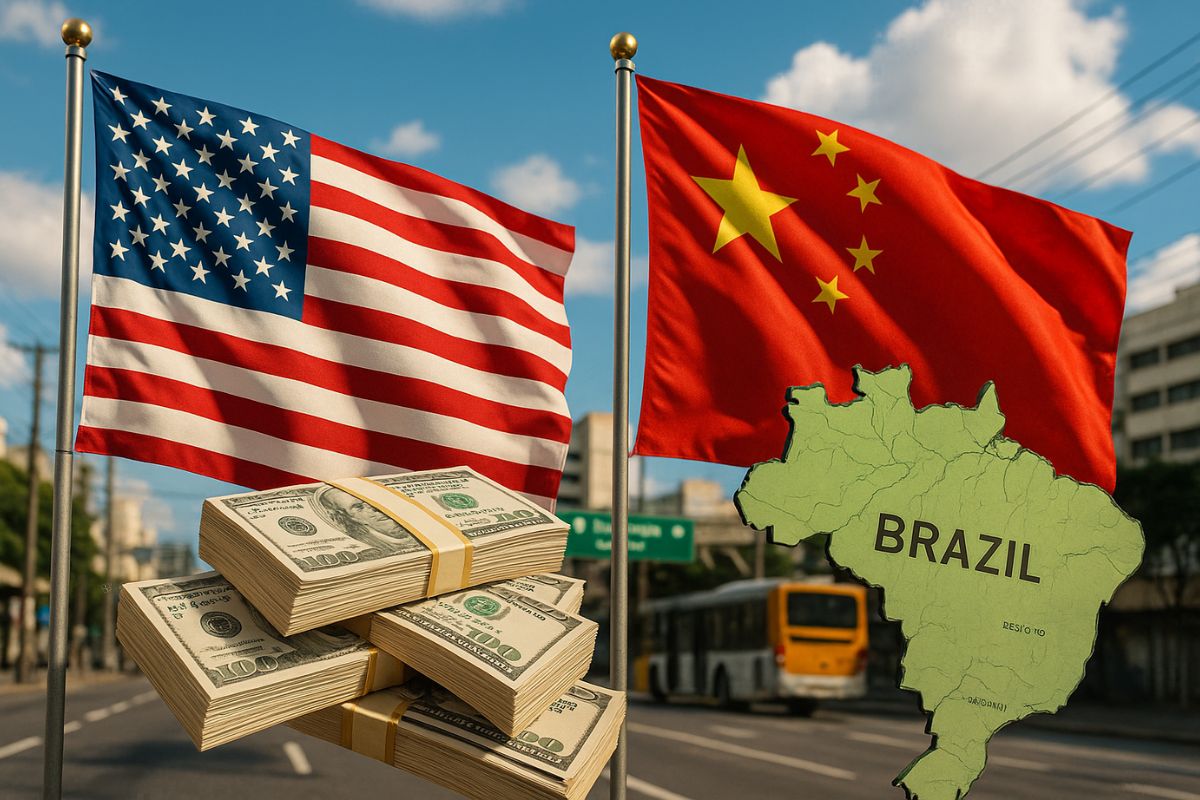


The Leadership Change That Put China As The Largest Trading Partner Of Brazil In 2009 Reflects The Reconfiguration Of The Global Economy, With The Chinese Industry Driving The Demand For Commodities And Brazil Consolidating Soy, Iron Ore, And Oil Exports, While The United States Maintain Relevance In Industrial Products And In The Investment Stock In The Country
The position of largest trading partner of Brazil remained in the hands of the United States for almost eight decades, until the turning point of 2009 marked the rise of China to the top of Brazilian foreign trade. The accelerated Chinese industrialization and the need for raw materials increased trade with Brazil and reconfigured export routes.
Since then, China has remained the main destination for Brazilian exports, according to CNN, especially for commodities such as soy, iron ore, and oil, while Brazil imports industrial and electronic goods from the Asian country. The U.S. remains central as a second partner, with a greater weight in higher value-added products and in the investment stock.
The Historical Dominance Of The U.S. And The Transition To China
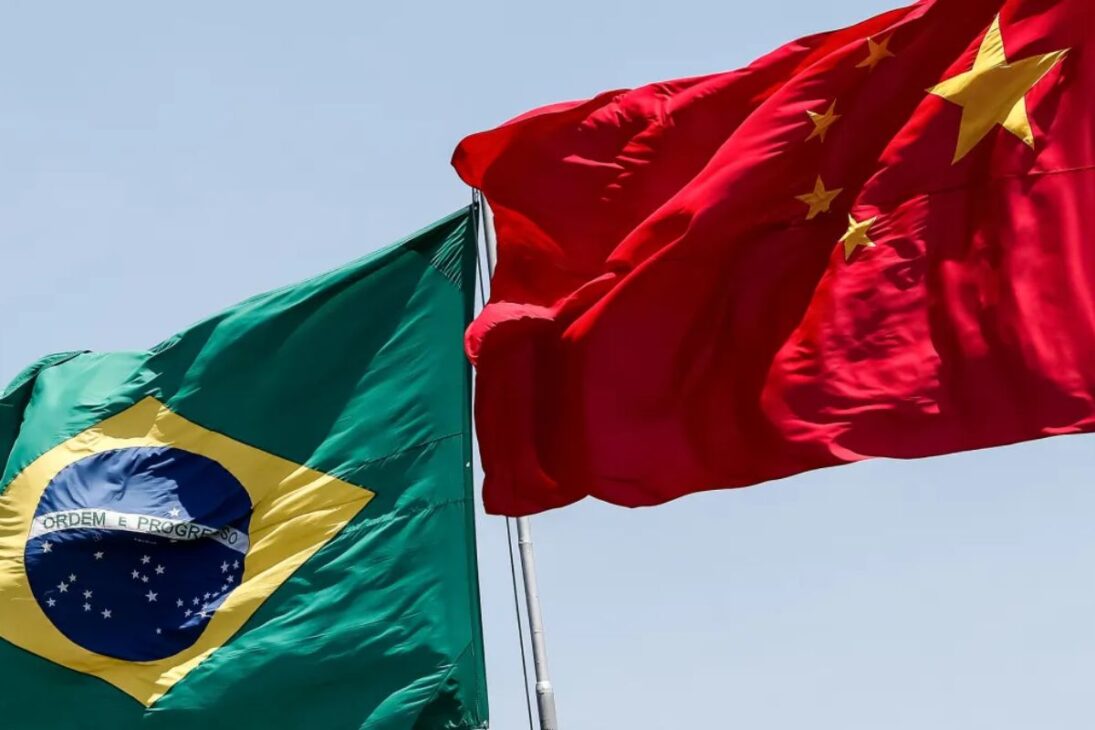
For almost 80 years, the United States led Brazilian foreign trade, a position consolidated throughout the 20th century.
-
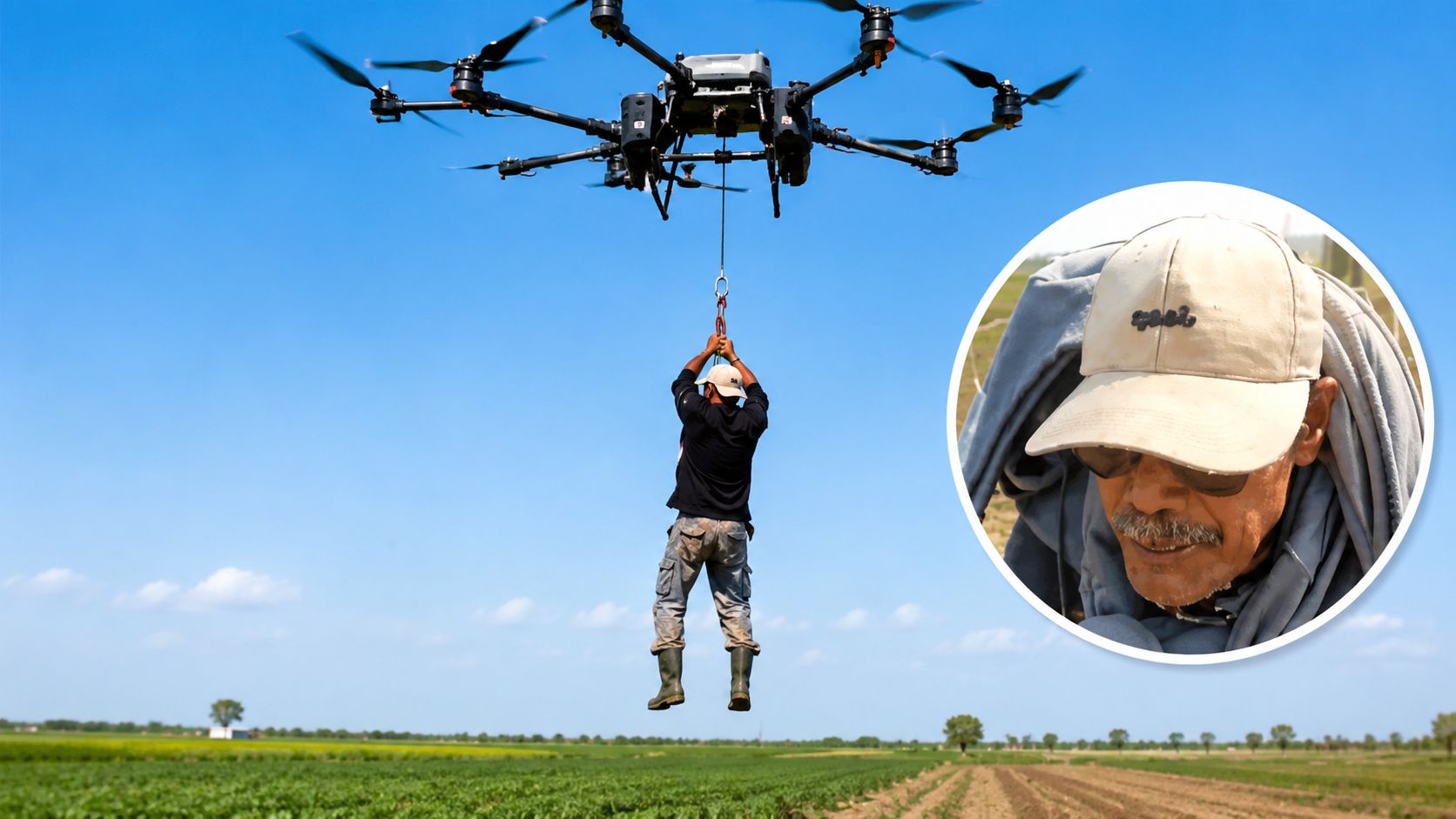
Rural Worker Spotted “Flying” on a Drone in Brazil

-
Turkish Cave Suggests Neanderthals and Homo Sapiens Shared Cultural Traditions for Millennia; Discovery Unveils Similar Tools, Hunting Techniques, and Shells at a Major Prehistoric Site
-
Burkina Faso Bans NGOs from Photographing Vulnerable People Without Consent and Outlaws Fundraising Campaigns Exploiting Suffering
-
Giant Earthworms up to 2 Meters Long Secretly Sustain Fertility in the Amazon Rainforest



The political and economic proximity of the post-war period increased flows, with Brazil importing machinery and industrial goods and selling coffee, light manufactures, and food.
In many periods, the trade balance with the U.S. was negative for Brazil, reflecting the purchase of items with higher technological value.
The turn of 2009 was not an isolated event, but the peak of an ongoing process. The trade flow with China grew year after year, following the industrial and urban boom of the Asian country.
When the sum of exports and imports with China surpassed that of the U.S., Brazil entered a new cycle, with structural change in its trade composition and external dependencies.
Who Buys, How Much They Buy, And What Is On The Agenda
China has become Brazil’s largest buyer, acquiring a volume far greater than that of the United States.
The agenda is complementary: Brazil sells basic products and buys industrial goods, reinforcing Brazil’s role as a supplier of strategic inputs and positioning China as a source of manufactures and technology.
In the American case, the profile is more balanced. The U.S. absorbs more Brazilian industrial goods and exports to Brazil high value-added products, maintaining technological and industrial partnerships with companies established in the country.
This dual dynamic helps explain why China and the U.S. occupy distinct roles in Brazil’s external strategy.
Why Did China Become The Largest Trading Partner Of Brazil
The answer lies in the Chinese scale and the productive complementarity. The demand for agricultural and mineral commodities found in Brazil a competitive supplier, combining productivity in the field and relevant mineral reserves.
At the same time, Chinese industrial chains began to supply the Brazilian market with electronics, machinery, and consumer goods.
This arrangement reduced costs and lead times for Brazilian companies integrated into global chains and increased exports of basics.
The collateral effect is well known: the risk of primarization if diversification and value addition do not advance. The challenge is to capture more technology and local content without losing external competitiveness.
Investments And Business Presence
The Chinese presence overflowed from trade to investment, with companies acting in energy, infrastructure, technology, services, and agribusiness.
Transmission lines, wind and solar parks, logistics works, and digital platforms exemplify the capillarity of this action.
Recent investments have grown, following new projects and promises for the next decade.
The United States remain leaders in the historical investment stock in Brazil, with a strong presence in finance, oil and gas, IT, and manufacturing.
Stocks and flows tell different stories: while American capital structured long-term bases, Chinese capital gained speed in critical sectors over the last decade and a half.
The Strategic Balance Between China And The U.S.
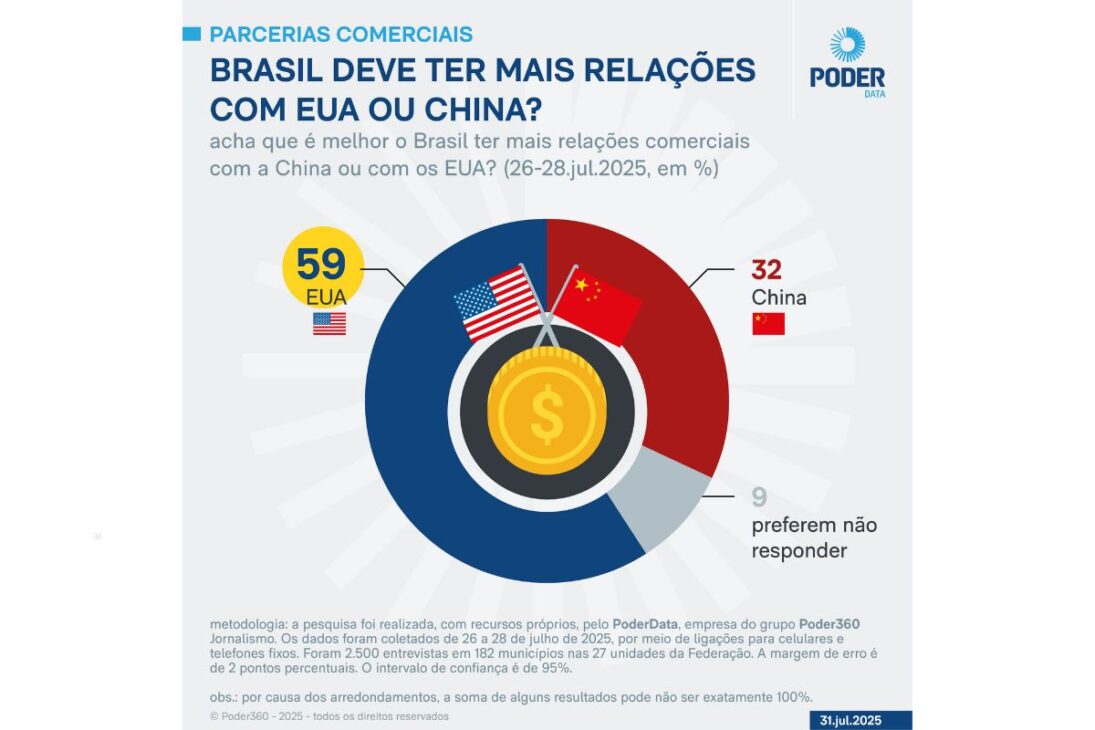
Managing the relationship with the two largest economies is part of Brazil’s external landscape. China offers scale and traction for commodities and digital chains, while the U.S. adds technology, financing, and industrial partnership.
Balancing interests, diversifying markets, and increasing the technological content of exports are complementary goals to reduce vulnerabilities.
In the short term, the consumer benefits from greater competition and variety.
In the medium and long term, the quality of industrial policy, regulatory predictability, and trade agreements will be decisive for transforming volume into value, qualified employment, and innovation.
What Recent Comparisons Show
Comparisons of trade flow, balance, and composition of the agenda indicate a Chinese dominance in total flow and greater American presence in accumulated investment.
In terms of agenda, China concentrates purchases of basics, while the U.S. absorbs more manufactured goods. From the perspective of risk, there is Brazilian exposure to commodity price fluctuations and, in the case of the U.S., uncertainties related to protectionist measures.
For Brazil, the winning strategy combines market opening, product diversification, and policies for value aggregation, aiming to reduce dependence on price cycles and increase the systemic competitiveness of the economy.
China has held the title of largest trading partner of Brazil since 2009, while the U.S. maintains prominence in investment and industry.
The next leap depends on diversification, innovation, and agreements that open doors for goods with higher technological content.
Do you agree that the shift to China was inevitable or should Brazil seek a rebalancing with more value added in exchanges with both partners? Does this improve prices and jobs on a daily basis or pressure domestic industry? Share your opinion in the comments, we want to hear from those who live this in practice.







kkk.
toda empresa brasileira que foi a China, teve suas tecnologias roubadas, e ainda tem brasileiro que gosta desses ****…