Portuguese
  Spanish


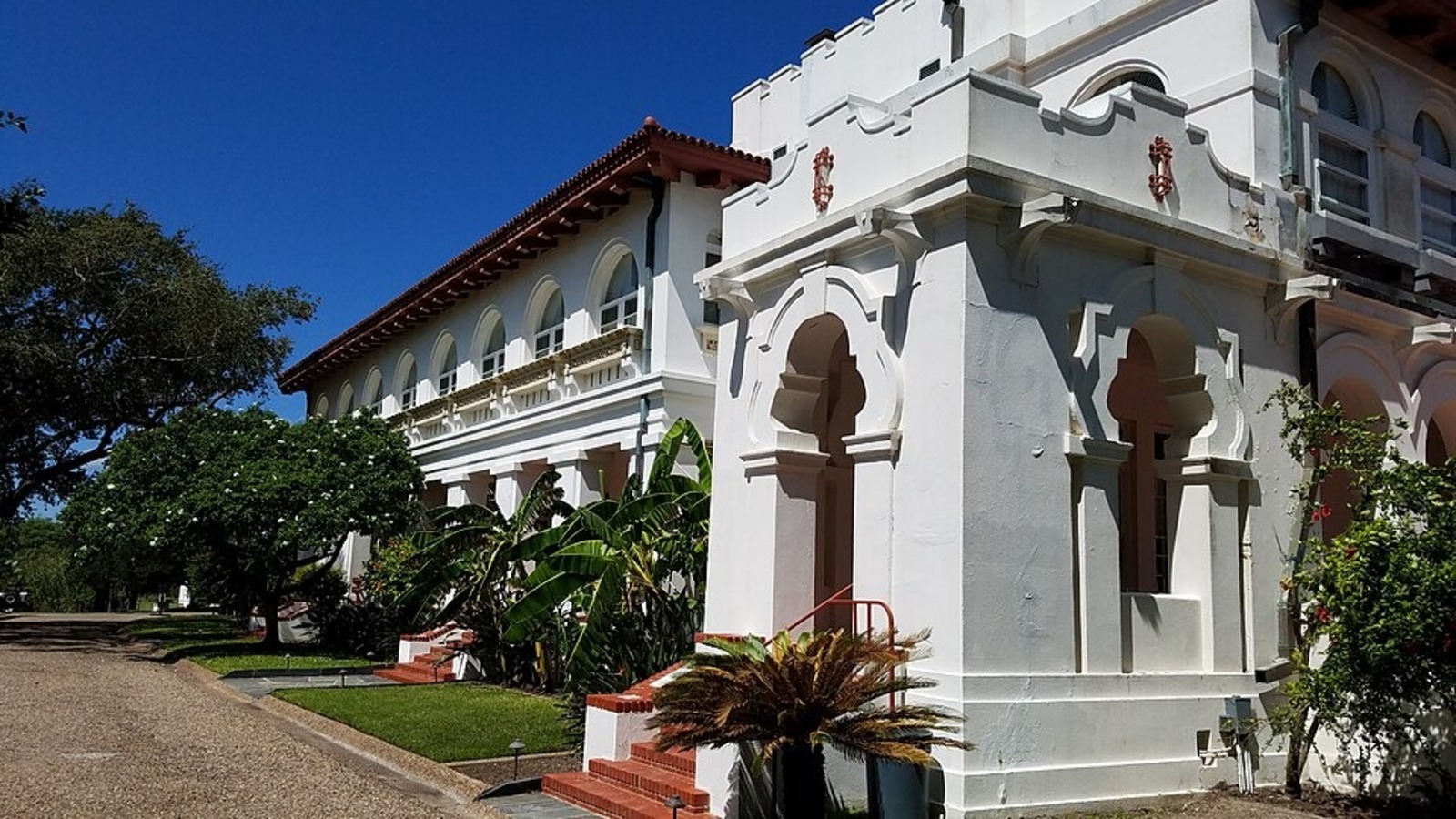


Founded in 1853 in South Texas, King Ranch operates 825 thousand acres, developed historical cattle breeds, Quarter Horse genetics, and productive systems that influenced cattle ranching in the United States and internationally
King Ranch encompasses 825 thousand acres, 3,340 km², founded in 1853, and over 170 years of cattle, equine, and agricultural genetics that shaped ranching in the United States and influenced global production systems.
King Ranch, in South Texas, has been operating since 1853 in a continuous area of 825 thousand acres, equivalent to 3,340 km², becoming a historical reference in cattle genetics, horse breeding, and integrated agricultural production, with a lasting impact on the agribusiness of the United States.
Located in South Texas, the ranch was founded by Captain Richard King as a productive response to the arid environment of the Wild Horse Desert, structuring an unprecedented cattle operation for the time.
-
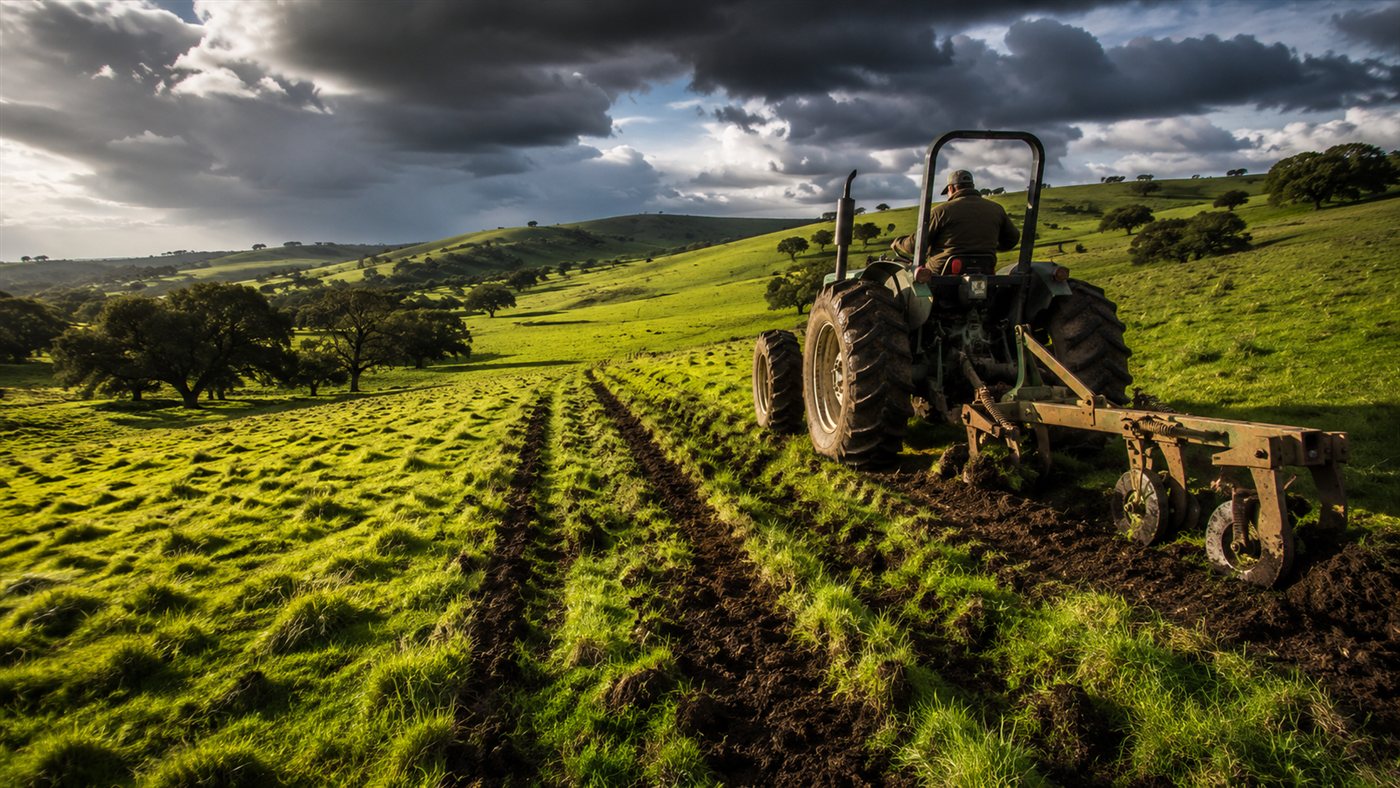
Regenerative Farmers Use Keyline Plow to Improve Pasture Hydration, Storing 1 Gallon of Water Every 30 Centimeters

-
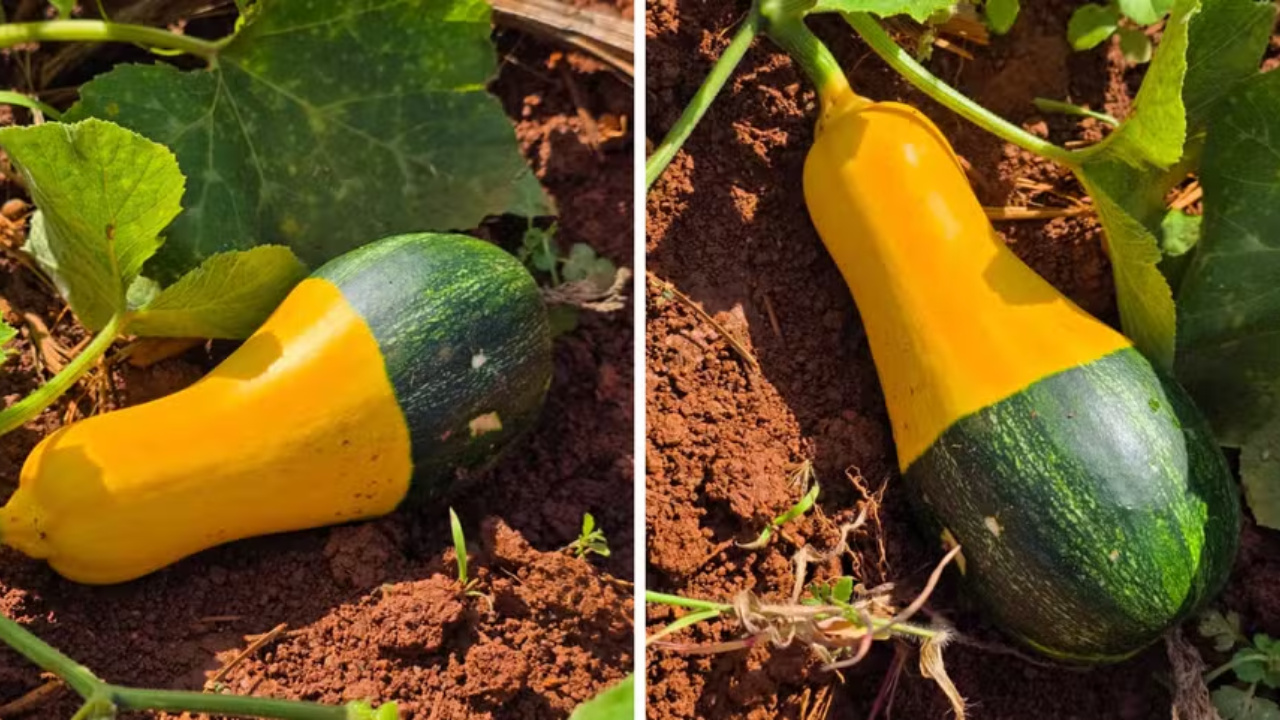
Bicolor Pumpkin Resembling Hand-Painted Art Discovered by Brazilian Researchers in the Capital Due to “Spontaneous Mutation”

-
In China, a 26-story building produces 1.2 million pigs annually, revolutionizing livestock farming with tube feeding and AI surveillance.
-
With Nearly 60% Desert, Israel Desalinates Seawater and Recycles 90% of Wastewater to Build a Billion-Dollar Agricultural Powerhouse in Dates and Cotton


Over more than 170 years, the property has established itself as one of the most comprehensive agro-industrial operations in the world, integrating cattle ranching, agriculture, horse breeding, environmental conservation, retail, and its own genetic programs.
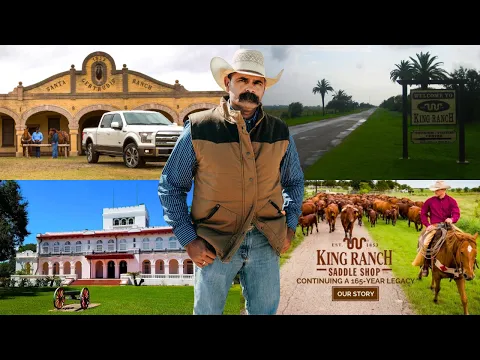

King Ranch Territory Surpasses Even Countries
With 825 thousand acres, the territory of King Ranch exceeds the area of the state of Rhode Island and is larger than countries like Luxembourg, enhancing its logistical, productive, and strategic relevance.
The ranch’s greatest contribution to global cattle ranching was the development of the Santa Gertrudis cattle breed, designed to withstand intense heat, high humidity, and unfavorable environments.
The breed resulted from controlled crossbreeding between British Shorthorn, in a ratio of 5/8, and Indian Brahman, representing the remaining 3/8 of the genetic composition.
The initial milestone occurred in 1920, with the birth of Monkey, a breeding bull that originated an entirely new lineage within the beef cattle sector.
In 1940, the USDA officially recognized Santa Gertrudis as the first beef cattle breed developed in the United States and the first new global breed in over a century.
Following this recognition by the USDA, the breed began to spread rapidly in hostile climate regions, consolidating its productive reputation.
Today, Santa Gertrudis is the most common cattle breed in Australia and remains widely used in crossbreeding programs due to its high hybrid vigor.
With changing consumer profiles, the ranch developed the Santa Cruz breed, seeking greater tenderness and marbling without losing productive efficiency in hot environments.

Santa Cruz resulted from crossbreeding between 1/2 Santa Gertrudis and 1/2 Red Angus and, subsequently, 1/2 Santa Gertrudis and 1/2 Gelbvieh.
After successive breedings among crosses, the final composition reached 1/2 Santa Gertrudis, 1/4 Red Angus, and 1/4 Gelbvieh.
The result was a docile, efficient animal, adapted to heat with excellent marbling, becoming a reference in creating an economical pasture cow.
Although not the current central focus, Santa Cruz remains a technical milestone in developing more efficient production systems under adverse conditions.
Another strategic lineage was the American Red, developed in partnership between Santa Gertrudis Breeders International and the American Red Angus Association.
The American Red combines 1/4 to 3/4 Red Angus with 1/4 to 3/4 Santa Gertrudis, bringing together growth, heat resistance, and carcass quality.
The breed has shown consistent performance on pasture, in feedlots, and in the processing plant, outperforming previous lines in fertility and productive longevity.
With the Profit PROVEN® seal, American Cruz has solidified decades of selection based on real production data and a large genomic DEP database.
The lineage integrates genetics from Santa Gertrudis, Shorthorn, and Red Angus, along with historical crosses initiated by the ranch itself in the 1980s.
The results include over 80% of animals reaching USDA Choice+ and Prime, according to USDA grading.

Annual costs for feed, hay, and minerals are 28% lower, while the pregnancy rate reaches 90%, even in dry years.
The average lifespan is 8.4 years per cow, with 4,600 cows exceeding 10 years of productive age in 2023.
A cow with a productive life of 10 years generates 59% more income than one limited to just 6 years, enhancing systemic profitability.
Alongside cattle farming, King Ranch built one of the most influential lines of Quarter Horses in modern history.
In 1916, the ranch acquired Old Sorrel, a stallion that became the genetic pillar of nearly all horses raised on the property.
The lineage stood out for robustness, agility, calm temperament, and a strong instinct for cattle work over large areas.
Among the historic sires are Old Sorrel, Wimpy, recorded as AQHA No. 1, and Mr. San Peppy, a member of the AQHA Hall of Fame.
These animals helped establish the breed with the American Quarter Horse Association, of which King Ranch is a founding member.
The Quarter Horses from the ranch became known for defined musculature, work resistance, and balance in functional competitions.
In addition to cattle management, these horses founded events such as roping, cutting, and ranch riding, influencing global lineages to this day.
Productive diversification includes large-scale agriculture, cultivating cotton, citrus, grains, sugarcane, and commercial turfgrass.

This agricultural base has ensured economic stability over generations, allowing continuous investments in genetics, management, and environmental conservation.
The ranch also made its mark in sports history by producing ASSAULT, the 1946 Triple Crown champion, expanding its influence beyond the field.
By creating the country’s first beef cattle breed and structuring genetic systems based on data ahead of current standards, King Ranch shaped productive paradigms.
Today, with 825 thousand acres still in integrated operation, the ranch remains a technical and historical reference, maintaining established practices over more than 170 years, even amid the transformations of modern agribusiness.
With information from Compre Rural.