





 Portuguese
  English
  Spanish
  3 min of reading


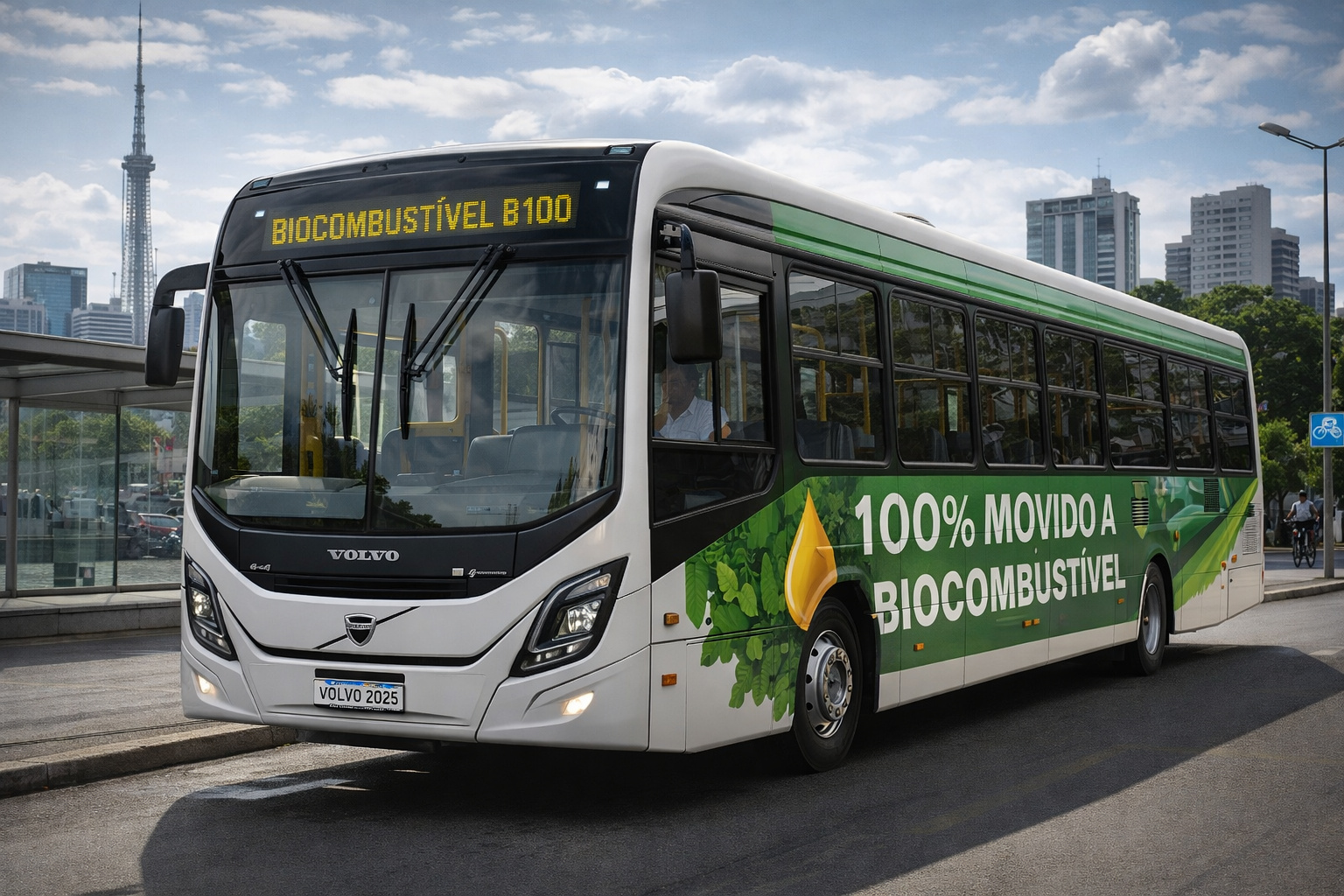
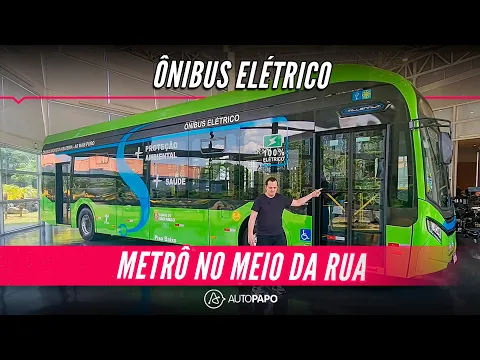
New Volvo Bus Uses Biofuel and Expands Sustainable Alternatives for Urban Public Transport.
Volvo announced the launch of a 100% biofuel-powered urban bus in Brazil. The news was released in February 2026 and marks another advancement by the company in the sustainable mobility agenda.
With this, the manufacturer expands its portfolio of solutions aimed at emission reduction. At the same time, it offers a viable alternative for cities that still face limitations in the electrification of public transport.
According to the manufacturer, the new model can reduce pollutant emissions by up to 90%. Therefore, the environmental impact is expected to be lower compared to traditional diesel.
-
A French brand placed a car on four huge red balloons to prove that its suspension made the vehicle “float,” and the surreal scene became one of the most iconic and unusual images in automotive history.

-
Jeep Avenger begins production in Brazil, debuting as the brand’s new entry-level SUV and inaugurating an unprecedented phase by becoming the first national Jeep manufactured outside of Goiana, as part of a R$ 3 billion plan.
-
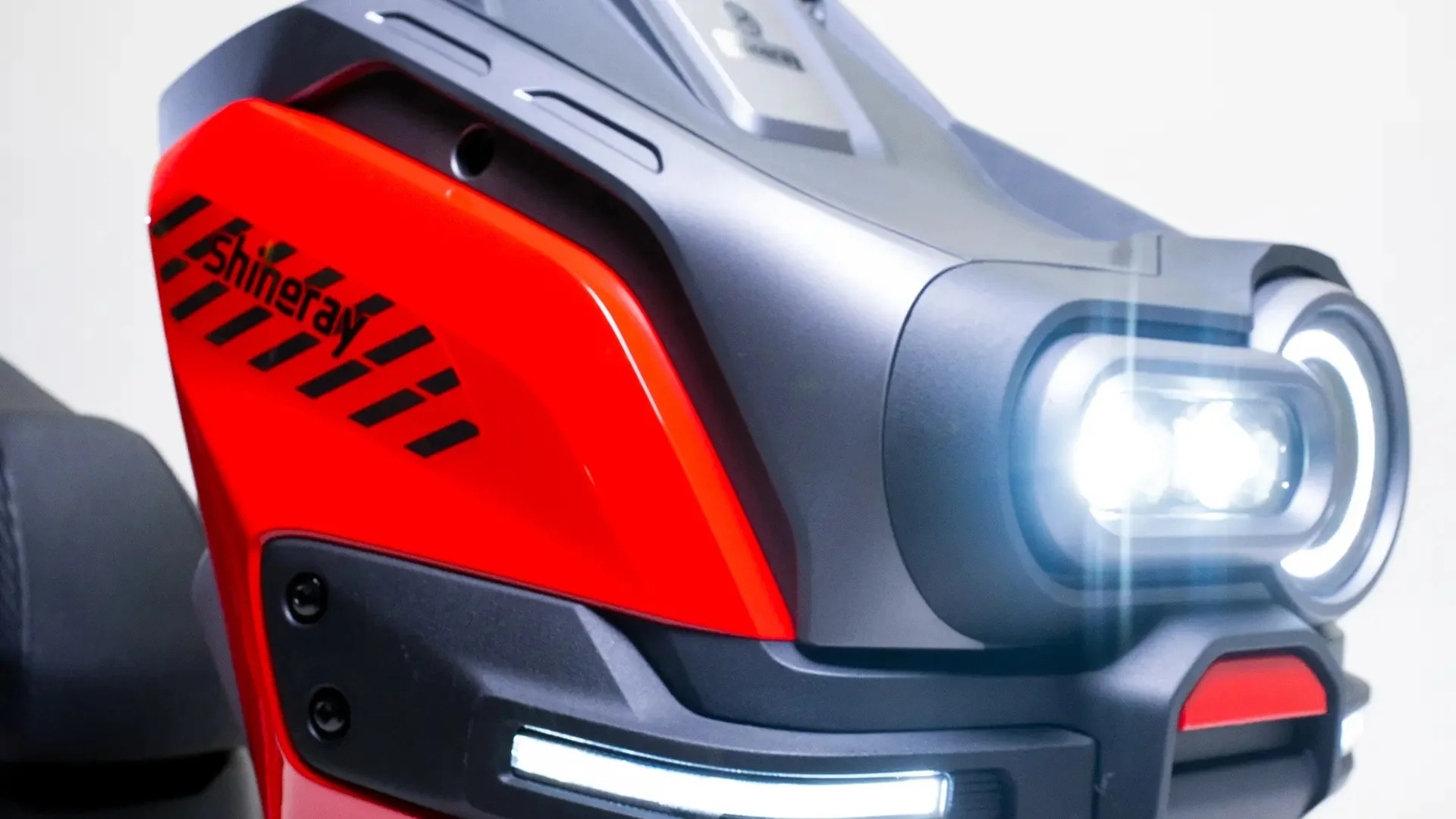
Costing R$ 12,490, the new Shineray Urban Lite 150 “cheap one” arrives in Brazil with a CVT transmission, digital dashboard, and LED lights, making it more affordable than the Biz and targeting those who want to abandon the bus.
-
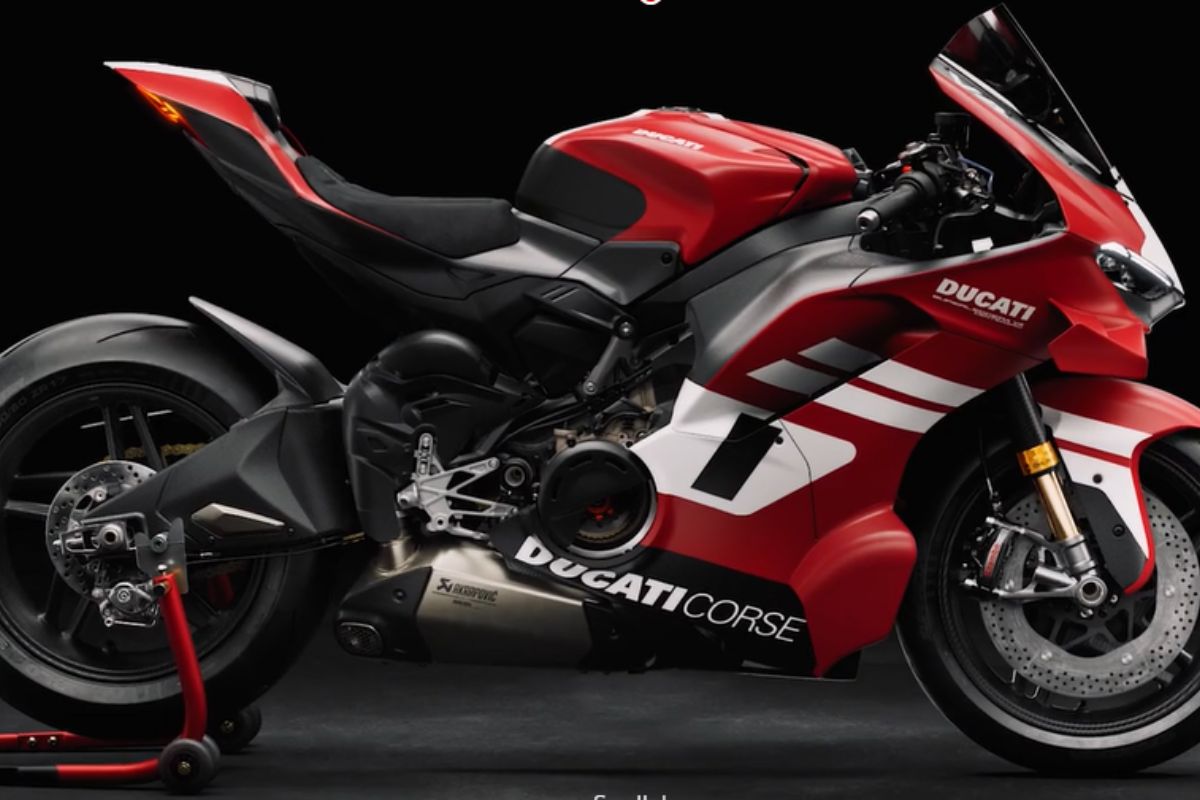
Ducati brings to Brazil the Superleggera V4 Centenario: 228 hp that become 247 with a track kit, carbon fiber and carbon-ceramic brakes, estimated price between R$ 1.5 and 2 million, deliveries only in 2027.

Biofuel Emerges as an Immediate Alternative
The new bus is derived from the urban model B320R. Volvo has adapted the vehicle to operate exclusively on biodiesel B100. This way, the model eliminates the use of fossil fuels.
Additionally, Brazil already has a consolidated biofuel production chain. Therefore, public and private operators can adopt the technology without significant structural changes.
Meanwhile, cities avoid immediate investments in electrical infrastructure. Thus, biofuel presents itself as a quickly implementable solution.
Emission Reduction in Public Transport
According to data released by Volvo, the new bus exceeds the environmental standards of Euro 6 diesel. While Euro 6 reduces emissions by about 75%, B100 can achieve even higher levels.
For this reason, the adoption of the model directly contributes to improving urban air quality. Furthermore, public transport represents a significant share of emissions in big cities.
Therefore, solutions that reduce pollutants in this sector generate relevant environmental impacts.
Volvo’s Strategy for Sustainable Mobility
Volvo follows a diversified strategy. The company invests in electric, hybrid, and now biofuel buses. Thus, it avoids dependency on a single technology.
According to the manufacturer, each city faces its own challenges. In many cases, electrical infrastructure does not yet meet the demand.
Therefore, biofuel complements other solutions. At the same time, it enables immediate environmental advances.
Ease of Adoption by Urban Fleets
Another distinguishing feature of the new bus is its operation. The model maintains performance similar to conventional diesel. Additionally, maintenance follows standards already known to companies.
This way, operators do not need to significantly alter their routines. This reduces costs and speeds up adoption.
Thus, the model fits easily into existing fleets.
Expectations for the Brazilian Market
The launch occurs in a context of pressure for stricter environmental targets. Municipal governments seek sustainable alternatives without increasing operational costs.
In this context, the biofuel-powered bus emerges as an intermediate option. It combines emission reduction and economic viability.
For this reason, experts believe the model may gain traction, especially where full electrification is still not feasible.

Biofuel in the Future of Urban Transport
The use of biofuels in public transport is not new. However, operating with 100% biodiesel enhances environmental benefits.
The more sustainable the source of the fuel, the greater the climate benefit. Thus, the responsible production of B100 also becomes a central part of the debate.
Finally, by launching the new bus, Volvo reinforces a pragmatic view of the energy transition. Different solutions can coexist, accelerating emission reductions in urban public transport.








-

Uma pessoa reagiu a isso.