Portuguese
  Spanish


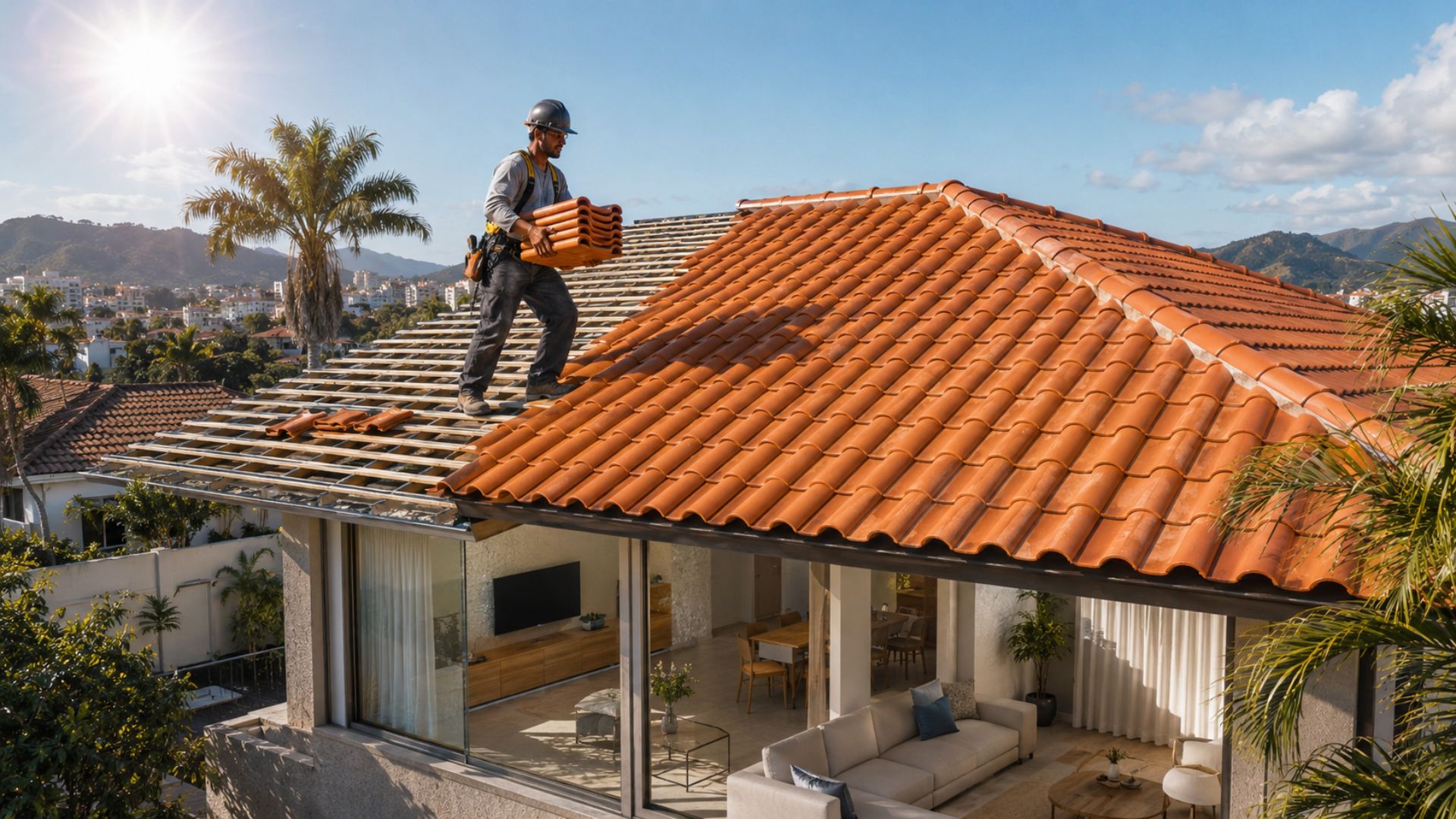


The new PVC tile that replicates the look of traditional clay tiles is gaining popularity in renovations across Brazil. The material weighs between 2.48 and 3.25 kilograms per linear meter, compared to 40 to 60 kilograms per square meter for ceramic tiles. The weight difference allows for the use of lighter structures, reduces the cost of timber, and speeds up installation. A study published in the journal Research, Society and Development pointed out a temperature difference of about 20°C between the external and internal faces of the new tile under controlled conditions.
The new tile that is transforming Brazilian roofs is not made of clay, it’s made of PVC. The rigid plastic material is molded into larger pieces than traditional ceramics, with interlocks that reduce the number of units needed to cover the same area. The new PVC tile weighs between 2.48 and 3.25 kilograms per linear meter, while clay tiles weigh between 40 and 60 kilograms per square meter, a difference that completely changes the structural calculation of the roof and the logistics of the renovation.
For residents who need to replace the roof without spending a fortune, the new tile solves three problems at once: leakage, excess weight on the structure, and maintenance difficulty. Since the pieces are large and light, transportation is simpler, assembly is faster, and the cost of daily labor decreases. The ABNT NBR 16737 standardizes the specifications of PVC tiles in Brazil, and mandatory marking on the pieces ensures traceability and manufacturer identification.
The weight difference that changes the entire structure

The most concrete advantage of the new PVC tile over ceramic is in the weight numbers. Traditional clay tiles require robust wooden structures to support the 40 to 60 kilograms per square meter. With the new PVC tile, which weighs between 2.48 and 3.25 kilograms per linear meter, the woodwork can be lighter, with smaller section pieces and larger spacings, directly reducing the cost of the structure.
-
U.S. City Builds Tiny Home Village on Water Company Land to House 136 Homeless People: Inside the Social Housing Units

-
Woman Turns Shipping Container into Home, Embraces Rural Life to Cut Monthly Expenses to Just Over $330
-
France Revamps 530 Social Housing Units with Large Balconies and Glass Facades Without Demolishing Existing Buildings

-
Facing high rent, couple transforms parents’ garage into a fully functional apartment, creating a complete home at a fraction of the market cost.




In renovations of old houses, where the original clay roof may be overloading the structure after decades of use, replacing it with the new PVC tile relieves the weight without requiring reinforcement of the walls and pillars. The lightness also facilitates partial replacements when the goal is to reduce the weight in a specific part of the roof without redoing everything. However, mixing different materials without adequate planning can create misalignments and leaks.
The thermal comfort that surprises
The thermal performance of the new PVC tile goes beyond what many expect from a plastic material. A study published in the journal Research, Society and Development evaluated tiles with PVC waterproof coating and found a difference of approximately 20°C between the external and internal faces of the material, indicating that PVC functions as an efficient thermal insulator under certain conditions.
The caveat is important: thermal performance varies between manufacturers and depends on factors such as the presence of lining, type of coating, color of the new tile, and roof ventilation. A new white or light-colored PVC tile tends to reflect more solar radiation than a dark one, reducing internal heating. Installation with lining and ventilation space between the tile and the lining enhances thermal insulation.
Where the new PVC tile works best
The new PVC tile tends to make more sense in outdoor areas of everyday use: covered garages, verandas, gourmet spaces, outbuildings, and laundries. In these environments, the material covers large areas with lightweight pieces and a look that mimics traditional clay ones, maintaining the classic appearance without the weight and fragility of ceramic.
In verandas and gourmet areas, the main attraction is the visual: some models of the new tile faithfully reproduce the shape and color of clay, creating a cover that looks traditional but operates with much less load on the woodwork.
Installation, however, requires attention to critical points such as ridges, flashings, and gutters. When the junction between the pieces is poorly executed, water can cause leaks even with the newly installed tile.
What to check before buying the new tile
Before investing in the new PVC tile, the buyer should check some technical points that go beyond color and appearance. The piece needs to have a thickness compatible with the project, batch identification, manufacturer’s brand, and clear installation instructions printed directly on the material, as required by the ABNT NBR 16737 standard.
The roof slope is another determining factor: each model of new tile has a minimum slope recommended by the manufacturer, and installing below this limit increases the risk of infiltration. The region’s rainfall volume should also be considered, as areas with heavy rains require greater overlap between the pieces.
Buying from manufacturers with certification and traceability reduces the risk of getting material out of specification that could compromise the entire renovation.
Have you ever used PVC tiles in a renovation or do you still prefer the traditional clay ones? Does the weight difference convince you or does the fear of plastic material on the roof still weigh more? Share in the comments.