





 Portuguese
  English
  Spanish
  3 min of reading
  0 comments


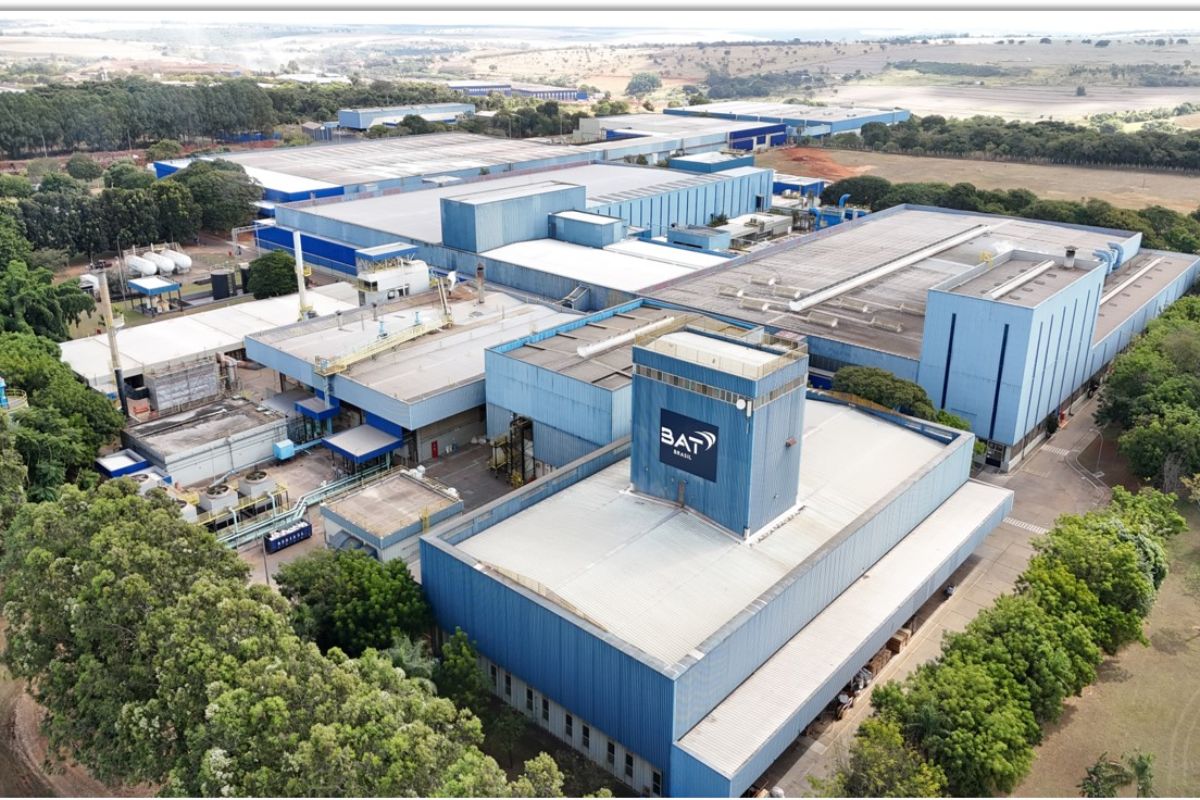
BAT Brazil, formerly Souza Cruz, remains the largest cigarette manufacturer in Brazil, but faces a battle on multiple fronts: the illegal market, rising taxes, and a billion-dollar lawsuit from the government.
BAT Brazil, the heir of the century-old Souza Cruz, is the largest cigarette manufacturer in Brazil. With a portfolio of famous brands and one of the largest distribution networks in Brazil, the company, controlled by the British giant British American Tobacco (BAT), represents the strength of a consolidated and highly profitable industry.
However, being the largest cigarette manufacturer in Brazil means operating in one of the most complex and pressured business environments. The company engages in a constant battle against the illegal market, faces increasing tax burdens, and is the target of an unprecedented lawsuit filed by the Brazilian government seeking reimbursement for public health expenses.
From Souza Cruz to BAT Brazil: The Century-Long Story of the Tobacco Leader
The company’s history began on April 25, 1903, when the Portuguese Albino Souza Cruz founded the company in Rio de Janeiro. Growth was rapid, and by 1914, he transferred ownership to the British group British American Tobacco (BAT), a partnership that continues to this day.
-
New pneumonia vaccine arrives at SUS starting in June and expands protection for children against meningitis and 20 types of pneumococcus

-
At one hundred years old, doctor becomes an inspiration at the gym and proves that age can be just a number

-
Cell phone addiction triggers alert: experts reveal why you can’t stop scrolling the feed and what simple changes help you regain control
-
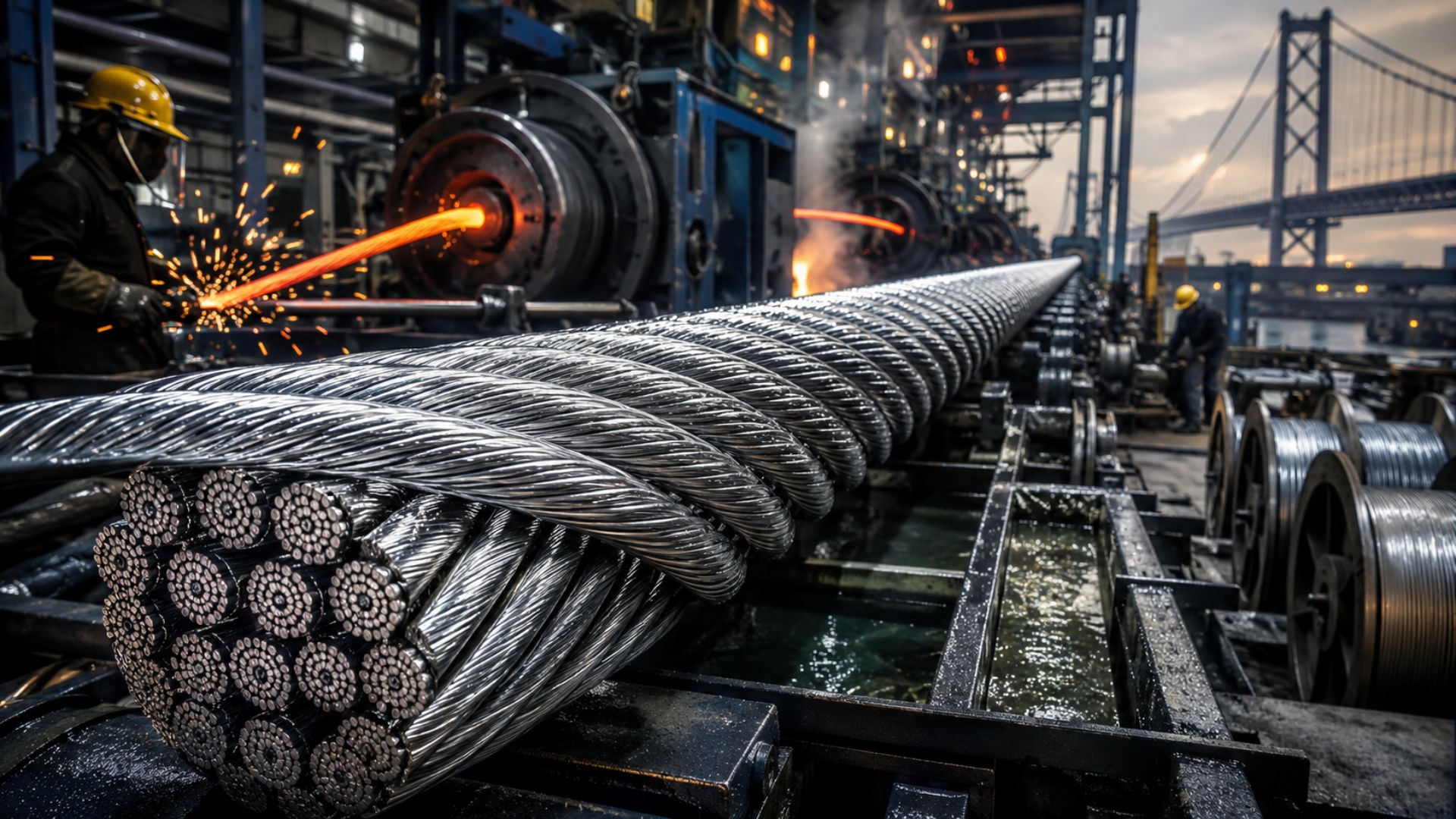
A cable just a few centimeters thick can support hundreds of tons and hold entire bridges, and this is only possible thanks to a process that transforms iron ore into very thin steel wires, treated, galvanized against corrosion, and twisted into layers with specific functions.




For over a century, Souza Cruz operated as a publicly traded company on the Brazilian stock exchange. In 2016, however, BAT completed a process to buy all remaining shares and took the company private. The final step of integration came in July 2020, when the company was officially renamed BAT Brazil, aligning with the global strategy of its parent company.
Dominance in Numbers: The Scale of Operations in Brazil

The leadership of BAT Brazil is supported by a gigantic infrastructure. The company has a modern cigarette factory in Uberlândia (MG), tobacco processing plants in the southern part of the country, and a research center in Cachoeirinha (RS).
Its market power is ensured by one of the most extensive distribution networks in Brazil, serving around 250,000 points of sale in almost 5,000 municipalities. Its portfolio includes some of the most well-known brands in the country, such as Dunhill, Lucky Strike, Kent, Hollywood, and Derby.
Competition from the Illegal Market and Pressure from Taxes
The largest competitor of the largest cigarette manufacturer in Brazil is not another company, but the illegal market. According to data from IPEC (Intelligence in Research and Strategic Consulting), in 2024, 32% of all cigarettes consumed in the country were smuggled or counterfeit, an illegal economy that resulted in losses of R$ 10.5 billion in taxes. The majority of these illegal products are cigarettes from Paraguay, which enter the country at much lower prices due to the lower tax burden in the neighboring country.
At the same time, the tax pressure on legal products is increasing. In August 2024, after eight years without adjustments, the federal government raised the IPI tax rate on cigarettes by 50%. Additionally, the tax reform of 2023 laid the groundwork for a future “sin tax” that is expected to burden the sector even more.
The Bet on Electronic Cigarettes in a Closed Market
Aligned with its global parent, BAT Brazil is betting on a future strategy called “A Better Tomorrow™.” The plan is to transition consumers to products considered “reduced risk,” such as electronic cigarettes (vapes) and heated tobacco.
However, this strategy faces a barrier in Brazil. In 2024, ANVISA reaffirmed the prohibition on the sale, importation, and advertising of all electronic smoking devices. This places the largest cigarette manufacturer in Brazil in a paradox: its current business is legal but socially condemned.








Be the first to react!