Portuguese
  Spanish


The Reggia di Venaria Reale brings together restored halls, geometric gardens, and aristocratic memory in the heart of Piedmont
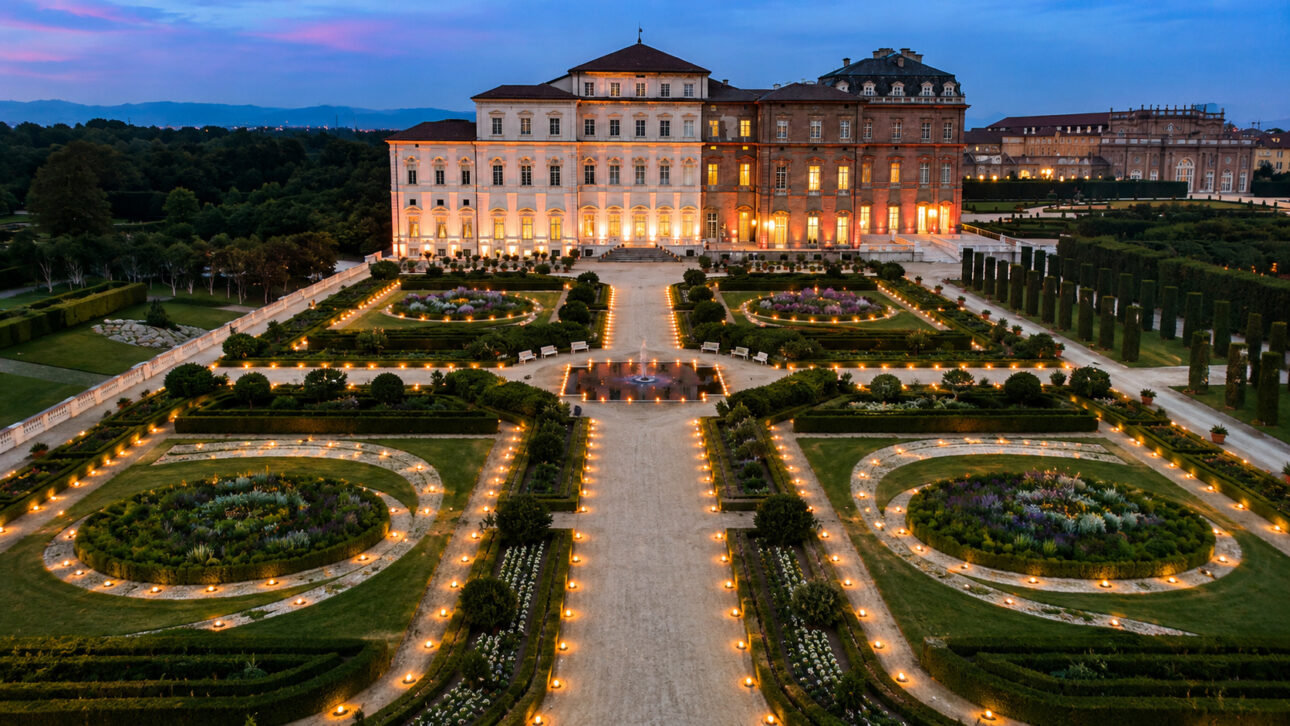
One of the most imposing royal residences in Europe continues to attract attention in northern Italy for its monumental scale and historical significance. The Reggia di Venaria Reale, located in Piedmont, covers about 80,000 m² of built area and is part of one of the grandest Baroque complexes linked to the House of Savoy. The complex impresses with its geometric gardens, restored halls, and direct connection to the hunting culture of the old European court. The palace began construction in 1675, initiated by Duke Charles Emmanuel II of Savoy, as a base for leisure, ceremonies, and grand hunts.
Baroque project reveals the ambition of the House of Savoy
The construction was designed by architect Amedeo di Castellamonte and, from the start, aimed to demonstrate power, sophistication, and territorial dominance. The residence did not function merely as a noble dwelling. On the contrary, it was conceived as a setting for parties, receptions, hunts, and public displays of prestige. Therefore, the palace differed from the Royal Palace of Turin, which was more focused on political administration and urban function. The Reggia was designed to engage with major European references of the Baroque period, while its spacious halls, visual axes, and green areas reinforced the image of authority of the House of Savoy.
Geometric gardens enhance the visual impact of the palace
The gardens play a central role in the grandeur of the residence. According to Italian institutional references, the complex comprises about 50 hectares of restored green areas, with symmetrical flowerbeds, fountains, and woods linked to the ancient practice of hunting. The Grand Parterre stands out as it creates geometric designs visible from the upper floors. The Fountain of Hercules reinforces the tradition of aquatic spectacles that were part of court life. The hunting woods connect the palace to the region’s original landscape, creating a composition that blends architecture, nature, and aristocratic memory in a single journey.
-
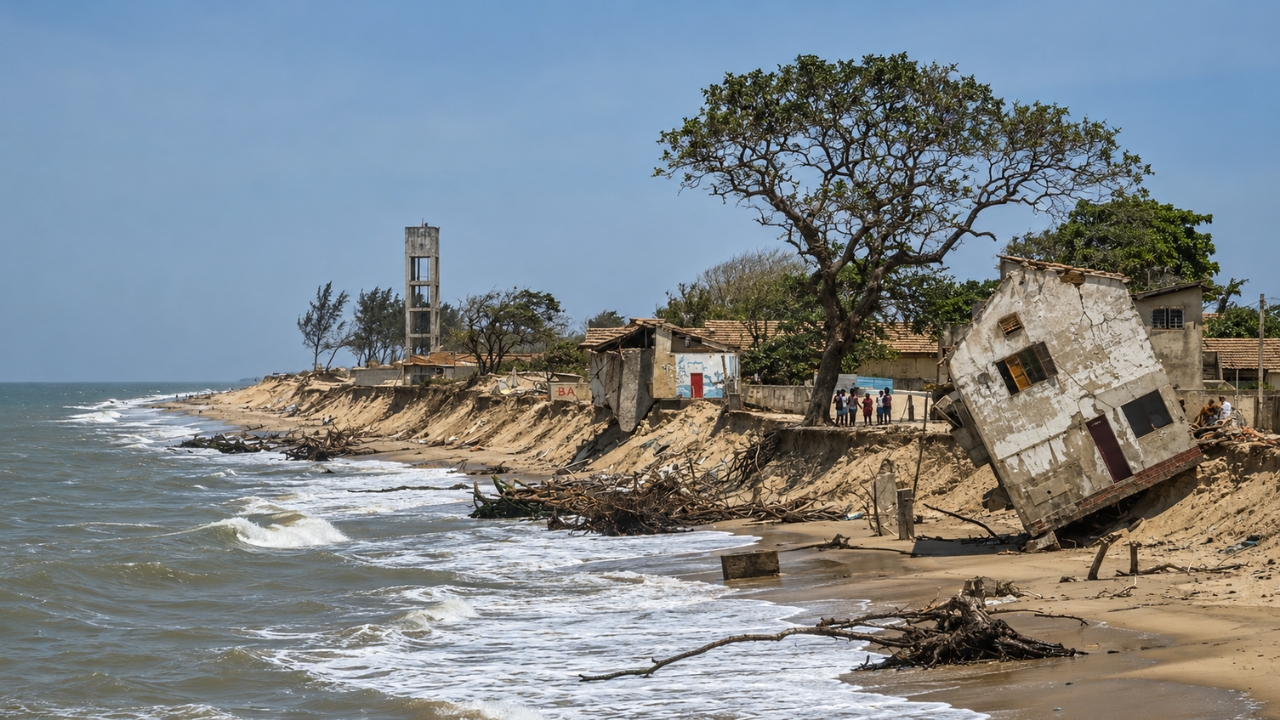
Coastal City in Rio de Janeiro Faces Slow Destruction as Sea Claims 500 Homes and Businesses

-
48-Year-Old Woman Wins Million-Dollar Prize, Gifts Neighbor First International Trip as Thanks for Years of Support

-
Women Once Mocked for Collecting Trash Form Group to Turn Organic Waste into Compost, Generate Daily Income, and Improve Market Cleanliness in One of the World’s Lowest GDP per Capita Countries
-
Archaeologists Uncover 40,000 Roman Bronze and Copper Coins from the 3rd Century in Fire-Destroyed French Neighborhood


Modern restoration restored the strength of the residence
After centuries of wear and military use, the Reggia di Venaria Reale underwent one of the most significant restoration processes in contemporary Europe. The recovery restored visibility to frescoes, stuccos, floors, and decorative elements that had lost prominence over time. The work allowed the reopening of the complex to the public in 2007, after years of construction. The most emblematic point of the restoration was the Great Gallery, designed by Filippo Juvarra. The hall is about 80 meters long and receives natural light through large oval windows, highlighting the checkered floor and white ornaments.
Halls, chapel, and stables show the life of the court
Currently, the restored interior spaces help retell the history of the House of Savoy dynasty. The rooms display tapestries, carriages, historical paintings, and objects related to aristocratic routine. The Chapel of Saint Hubert stands out for its baroque architecture and marble altar. The Royal Stables reveal the importance of horses in hunts and the nobility’s movements. The State Halls preserve mythological frescoes and decorations linked to the ruler’s image, keeping the political, symbolic, and cultural function of the residence alive.
Monument strengthens historical tourism in northern Italy
The reopening of the palace repositioned Venaria Reale on the Italian tourist map. The monument began to attract visitors interested in art, architecture, historical gardens, and European heritage. The recognition by UNESCO in 1997 consolidated the importance of the residence within the set of royal properties of the House of Savoy. This title reinforces the cultural value of the complex and expands its presence in the Piedmont itineraries.
The legacy of the Reggia di Venaria Reale
The Reggia di Venaria Reale remains a showcase of Baroque art and Italian aristocratic power. Its recovery shows how a degraded heritage can return to the center of cultural life when it receives proper preservation. Today, the palace gathers 80,000 m² of history, monumental gardens, and restored royal halls in a single complex.
After all, how many constructions can preserve so much grandeur, memory, and beauty in one European destination?