Portuguese
  Spanish


The restoration of deteriorated nitrate reels by the Library of Congress allowed for the recovery of a work from 1897 that documents the birth of science fiction and robotics in cinematography.
The Library of Congress announced the discovery and restoration of a silent film long thought lost for over a century, which contains the first appearance of a robot in a cinematic work. Titled Gugusse and the Automaton (Gugusse et l’Automate), the 45-second short film was created in 1897 by pioneering French filmmaker Georges Méliès.
The film was found in an old metal trunk belonging to a family in Michigan, preserving a historical record that predates the very creation of the term “robot” by 24 years.
The hidden treasure in the Michigan trunk
The discovery occurred when Bill McFarland, a retired professor from Grand Rapids, Michigan, decided to take a box of film reels from his great-grandfather to the National Audio-Visual Conservation Center of the Library of Congress. McFarland’s great-grandfather, William Frisbee, was a teacher and farmer who acted as a traveling cinema exhibitor in the late 19th century.
-
New York removed the tracks from over 2,500 subway cars and dumped everything at the bottom of the Atlantic, and what seemed like trash turned into an artificial reef teeming with fish and divers.

-
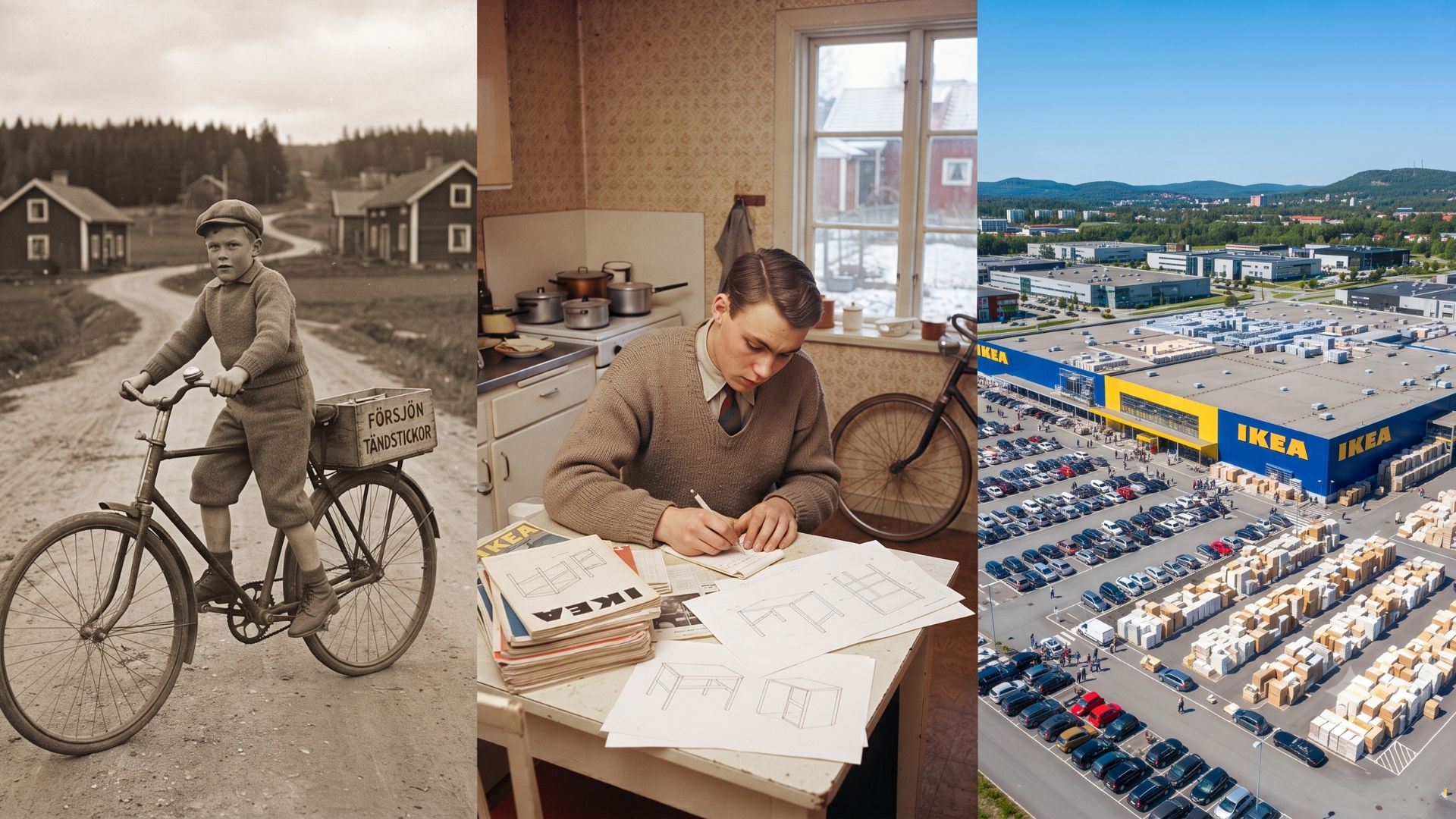
From matches sold by bicycle at age 5 to a global furniture empire: the lumberjack’s son founded IKEA at 17 in his uncle’s kitchen and transformed a small company into the largest furniture retailer on the planet.
-
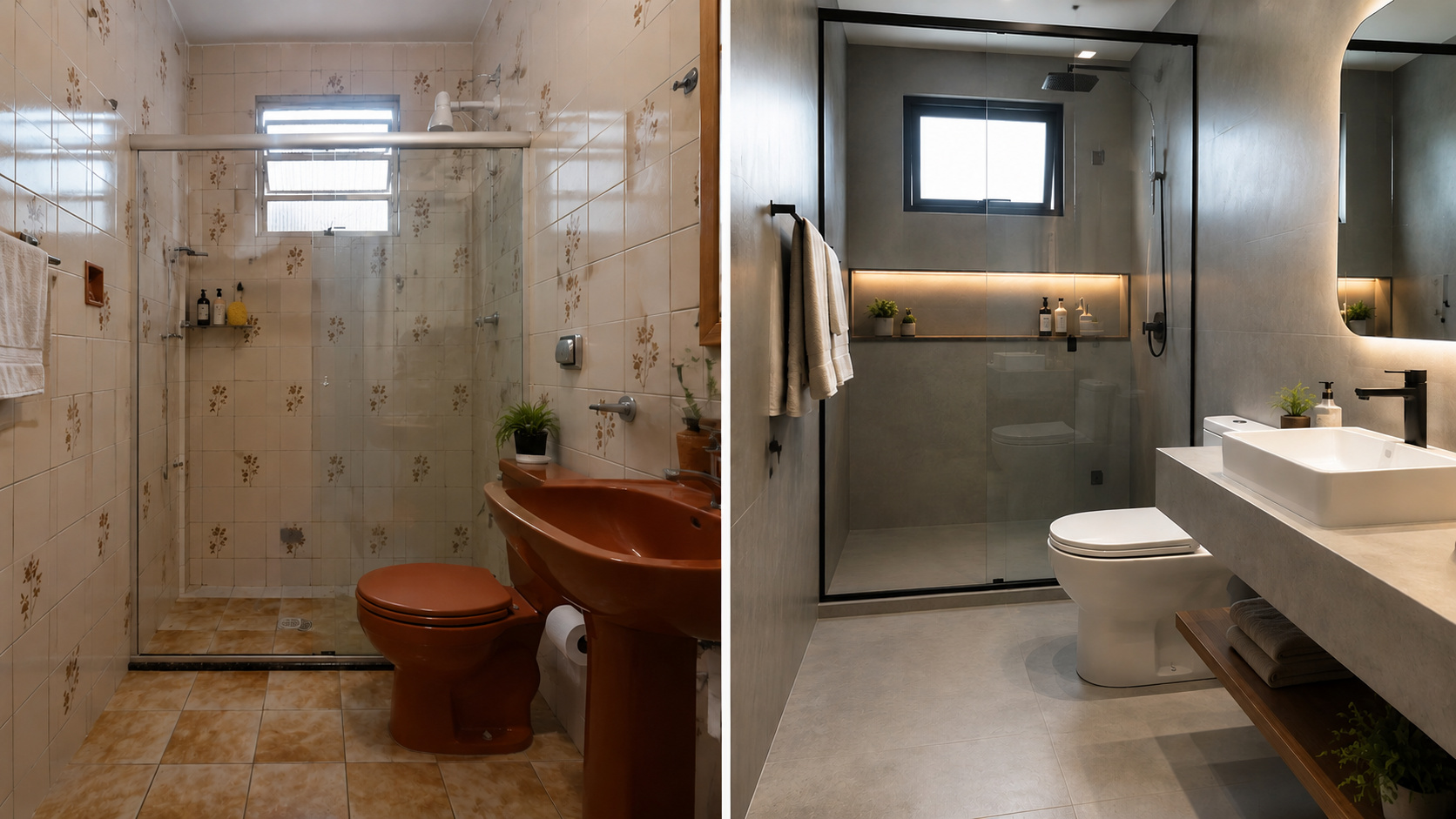
The mansion in Flamengo, built in 1865 for the Baron of São Clemente and closed for 20 years, has become a spa, event hall, and gym for “Symphony,” a luxury condominium that sold 70% of its gross development value in the first month on the R$ 60 million land of the former Bennett College.

-
The Ipiranga convent, a 1924 building adjacent to the Museum that remained vacant for a decade and became home to dozens of cats, is reborn as “Alma Mater,” a luxury development worth R$ 130 million with a pool in the courtyard and a clubhouse in the former nuns’ chapel.




Library technicians spent over a week stabilizing and digitizing the material, as the fragile nitrate film was crumbling and stuck together, making it impossible to project safely.
The head of the nitrate film vault, George Willeman, identified the logo of the Star Film Company, Méliès’ production company, hidden in the footage. Through meticulous analysis, experts confirmed that it was the missing work that marks the first appearance of a robot on screen. Before this restoration, the existence of Gugusse and the Automaton was known only through historical catalogs, with no surviving copy available for public or academic viewing.
Precursor elements of science fiction
The film’s narrative features a clown, played by Georges Méliès himself, who interacts with a mechanical anthropomorphic figure called Pierrot Automate. In the plot, the clown uses a crank to control the movements of the automaton, which gradually gains autonomy and attacks its creator. This theme of a technological creation turning against its inventor is one of the oldest and most persistent tropes in science fiction, established in the first filmed appearance of a robot.
To create the effect of the automaton growing and shrinking, Méliès used substitution editing techniques, which would become his trademark in later classics such as A Trip to the Moon.
The use of painted backdrops representing a clock workshop reinforces the artisanal and inventive atmosphere of cinema at the time. By capturing the first appearance of a robot, the French filmmaker not only innovated technically but also laid the groundwork for the genre that would explore the relationship between humans and machines.
Preservation and Legacy of Georges Méliès
The restoration of the film is considered a milestone for the archaeology of cinema, allowing the public to access the work of one of the most plagiarized directors of his era. It is estimated that Méliès produced over 500 films, but most were lost due to the fragility of nitrate and the deliberate discarding by the author himself during times of financial crisis.
The recovery of the first appearance of a robot offers a new perspective on how 19th-century audiences perceived mechanization and emerging technology.
The version recovered by Bill McFarland is a distribution copy, likely produced a few generations after the original negative from 1897. Currently, the short film is available in high definition on the Library of Congress website, ensuring that the historical record is preserved for future generations.
With the revelation of the first appearance of a robot, the history of cinema gains a fundamental chapter that connects the mechanical ingenuity of the past with the futuristic imagination of the present.
With information Smithsonianmag