






 Portuguese
  Spanish


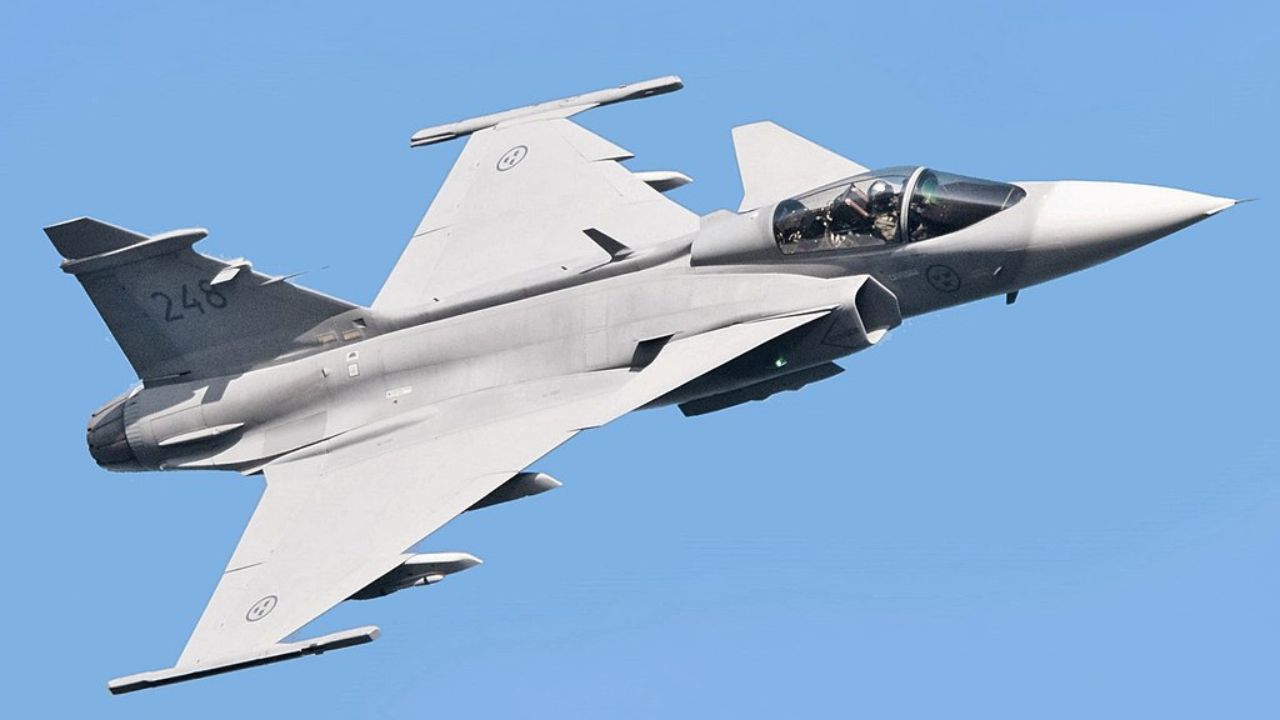


The Argentine Decision for American Fighters and the Brazilian Hesitation Towards the Chinese Initiative Place the Two Largest South American Powers on Opposite Paths in the New Global Competition.
South America has become a central stage in the strategic competition between the United States and China. The nations in the region face a crossroads, pressured by this new bipolar dynamic. Recently, two opposing movements illustrate this scenario. Argentina opted for a clear alignment with Washington by purchasing F-16 fighters. In contrast, Brazil deepens its trade ties with China but hesitates to join the “New Silk Road.” This stance places Brazil in the crossfire of the superpowers.
The Purchase of F-16 Fighters and Strategic Alignment
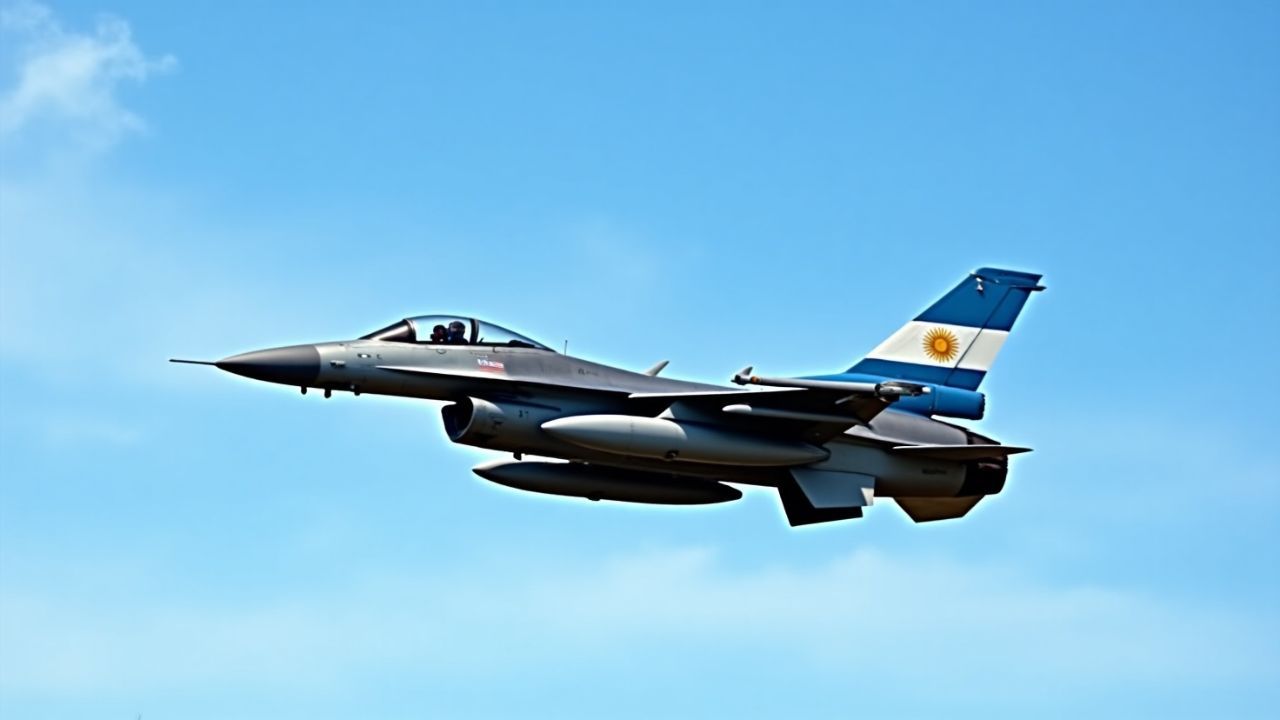
Argentina formalized the purchase of 24 used F-16 fighters from Denmark. This is considered the most important military agreement for the country since 1983. The acquisition enables the Argentine Air Force to regain its supersonic interception capability, lost in 2015. The agreement includes not only the aircraft but also a package of armaments and cutting-edge technology supplied by the United States.
This decision was the climax of a geopolitical dispute. For years, Argentina considered the Chinese offer for JF-17 fighters. Beijing viewed the sale as a crucial strategic victory in the region. However, the election of President Javier Milei, with a pro-U.S. platform, changed the calculation. The choice of F-16s was actively promoted by Washington and seen as a significant victory in its competition with China.
-
15-Year-Old Entrepreneur Malu Lira Publishes 20 Children’s Books on Financial Education, Earns $500,000, and Expands Her Project to the Amazon Rainforest

-
Entrepreneur Turns Rio Cemetery Canteen into a Successful Snack Chain Generating $4.9 Million Annually and Expanding to Metro Stations

-
Rare fox feared “extinct” found alive on Caribbean island after over two decades without official sightings

-
21-Year-Old Brazilian Student Turns Homemade Popsicle Hobby into $100,000-a-Month Business





Although the Argentine government frames the purchase as a restoration of sovereignty, the reality is more complex. By opting for an American platform, Argentina trades a lack of capability for long-term reliance. The use of the fighters, the supply of parts, and the replenishment of munitions depend on U.S. approval. This creates a sovereignty conditioned on Washington’s strategic interests.
Why Does the Country Hesitate to Join the ‘New Silk Road’?
While Argentina aligns with Washington, Brazil adopts a position of calculated ambiguity towards China. The country is a notable exception in South America, as it has not signed a formal agreement to join the Belt and Road Initiative (BRI), known as the “New Silk Road.” This is a deliberate strategic decision by Itamaraty.
Instead of joining, Brazil proposes “cooperation through synergies.” The idea is to invite China to invest in projects that are already part of Brazil’s development plans, such as the PAC. Thus, China would integrate into Brazil’s projects, not the other way around. The reasons for this caution are geopolitical. Brazil fears that formal membership would diminish its status as a global power and seeks to preserve its traditional diplomatic autonomy and not antagonize the United States.
However, this hesitation comes with costs. Brazil risks missing the ideal moment to negotiate favorable terms with China. Beijing is advancing with strategic projects in neighboring countries that are more aligned, such as the Chancay megaport in Peru. This port could become the main logistics hub on the Pacific coast, bypassing Brazilian infrastructure and threatening the geoeconomic centrality of the country on the continent.
Double Dependence and the Pursuit of Strategic Autonomy
Brazil embodies the region’s dilemma, as it experiences a double dependency. Its economy is increasingly reliant on China, its main trading partner and source of vital surpluses. At the same time, its defense architecture and security cooperation are historically anchored in the partnership with the United States. This is the Gordian knot of Brazilian foreign policy.
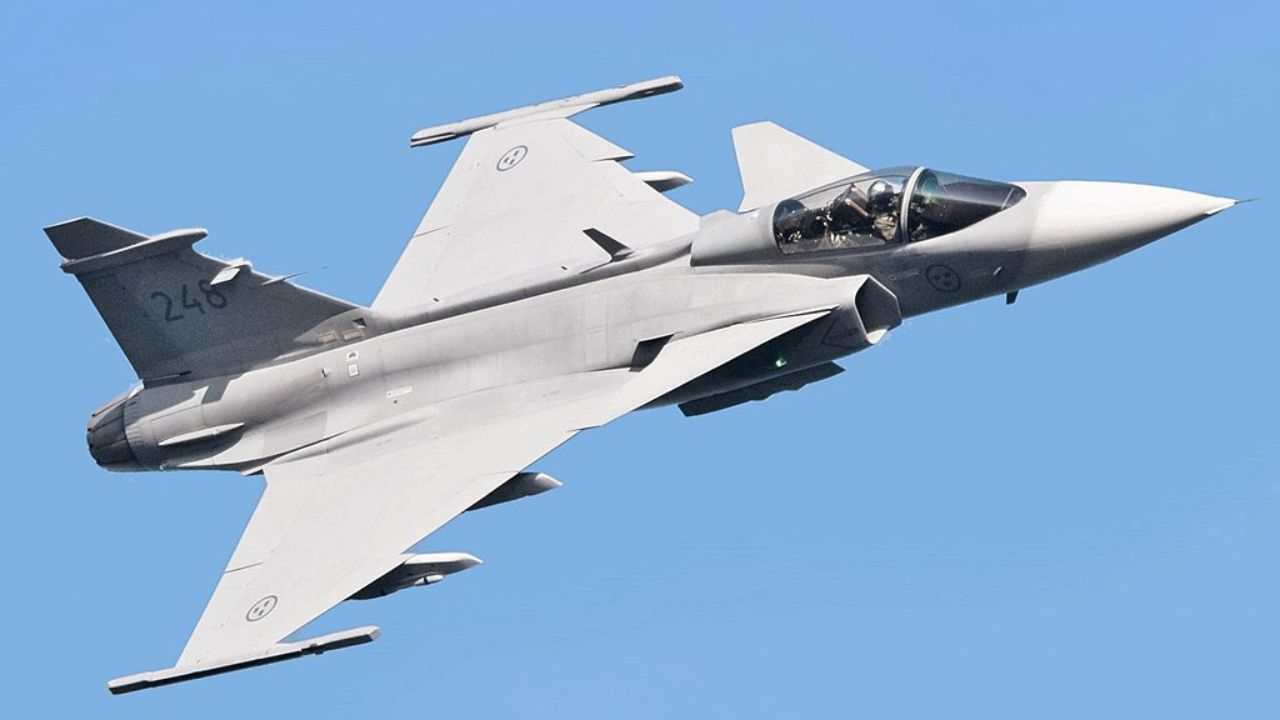
The clearest expression of Brazil’s pursuit of autonomy is the modernization of its defense. The choice of the Swedish Saab F-39E Gripen, as opposed to American options, reveals a different philosophy from Argentina. The Brazilian Gripen program focuses on a robust technology transfer aimed at empowering the national industry, led by Embraer, to develop, produce, and maintain the fighter in the future.
The difference from the Argentine F-16 is strategic. The Gripen is a 4.5-generation fighter, technologically superior and with an open architecture. Argentina acquired an older platform, without technology transfer, resulting in continuous dependence. Brazil’s choice of the Gripen was an investment in sovereignty and long-term technological autonomy, a pillar to support its foreign policy of balance in the 21st century.







Vc já disseram tudo no final da matéria, a opção do Brasil em não mais ficar na dependência dos EUA, não ficar mais submisso em relação à peças de aviões, tecnologia, munições e equipamentos militares. O Brasil aos poucos está se libertando do autoritarismo americano.
Está se libertando do autoritarismo americano e esta se fundando na **** comunistada China que é pior ainda!
Brasil tinha que investir no seu próprio caça,mesmo demorando mais tempo e custando mais,assim teríamos sobrania tecnológica.
Por sorte e competência a Embraer, uma multinacional, diferente de outras como a Avibras e a Engesa já escapou dos nossos governantes “COMPETENTES”