






 Portuguese
  Spanish
  3 min of reading
  0 comments


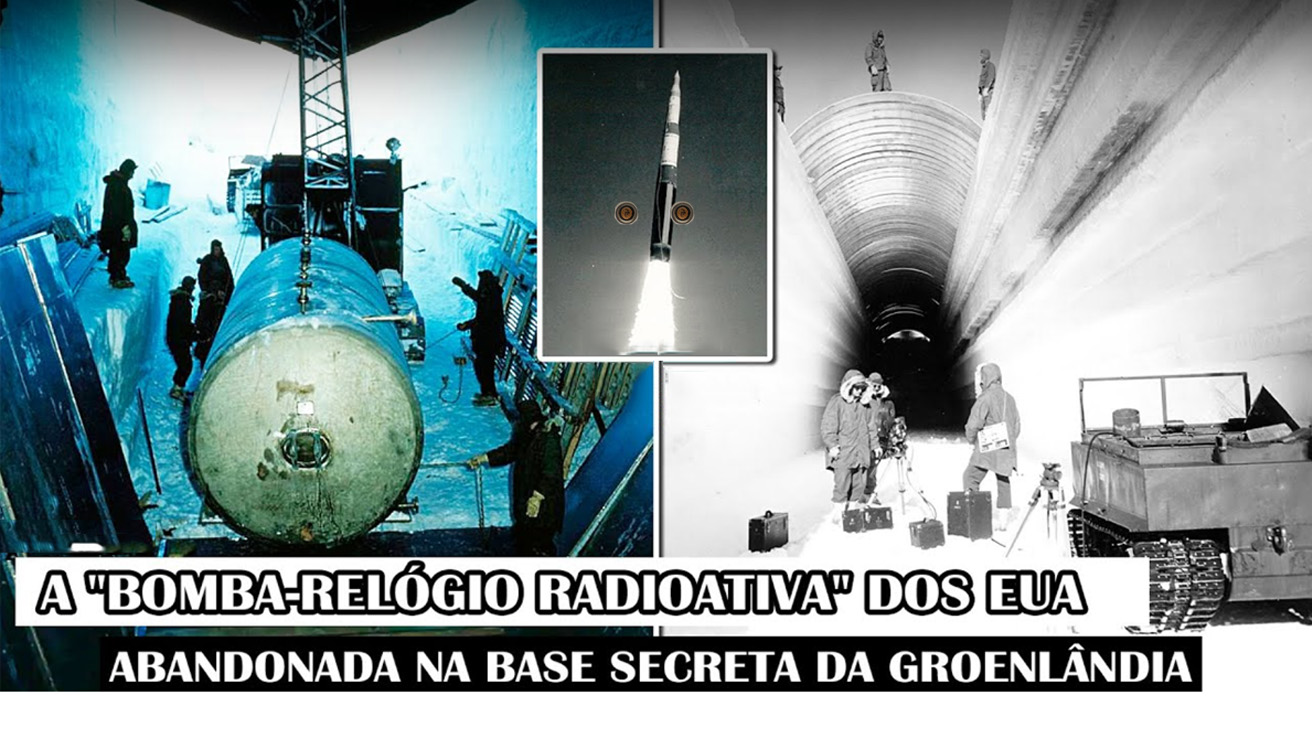
A Forgotten Base From The Cold War, Buried In The Arctic, Could Release Toxic And Radioactive Waste With The Melting Ice And Put The World At Risk.
Under Greenland’s glaciers, a U.S. military base, abandoned since 1967, holds toxic and radioactive waste that may emerge with the melting ice, posing a global environmental risk.
In 1959, at the height of the Cold War, the United States built Camp Century, a secret military base located about 240 km from Thule Air Base in Greenland.
Publicly presented as a scientific research facility, the true mission of the base was Project Iceworm: a plan to install ballistic nuclear missiles beneath the ice, targeting the Soviet Union.
-
Trailblazing Brazilian Mother of Three Becomes First Woman to Drive BYD Electric Truck, Inspiring Her Daughter to Follow Suit

-
6-Year-Old Boy Finds 1,000-Year-Old Viking Sword During School Activity in Norway

-
Mother Who Orchestrated Her Daughter’s Genius Education Enters History After Crime That Still Mystifies Spain

-
Brazil to Allocate 3% of Affordable Housing Program in 38 Cities for Homeless, Paving Way for First Property Transfers to Formerly Unhoused Residents


The base was deactivated in 1967, but left behind a significant amount of hazardous waste, including diesel fuel, sewage, toxic chemicals, and radioactive waste.
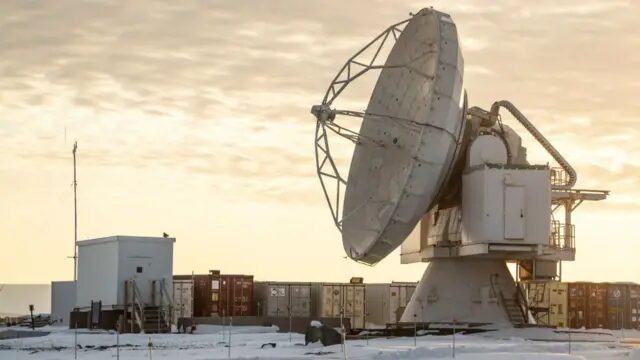
The Hidden Legacy Of The Cold War
Camp Century was built with impressive infrastructure: a network of underground tunnels that housed up to 200 people, equipped with dormitories, a dining hall, a medical clinic, and even a chapel.
The base was powered by a portable nuclear reactor, the PM-2A, which operated for nearly three years before being removed.
However, residues from radioactive coolant, about 200,000 liters of diesel fuel, 240,000 liters of sewage, and an unknown quantity of polychlorinated biphenyls (PCBs) remained buried beneath the ice.
It was believed that Greenland’s eternal ice would keep these wastes sealed forever.
However, with climate change accelerating the melting of polar ice caps, that assumption is being challenged.
Climate models indicate that by around 2090, the area may shift from a snow accumulation zone to a liquid melt zone, potentially releasing pollutants into the environment.
Imminent Environmental Risks
The waste buried in Camp Century poses a significant threat to the environment.
PCBs, for example, are highly toxic chemical compounds that can cause cancer and other health issues.
Furthermore, the release of radioactive waste and sewage could contaminate marine ecosystems and affect communities that depend on these resources.
Studies suggest that even before 2100, melting ice may allow melted water to reach the waste, transporting it to the ocean.
This poses a risk not only to Greenland but to the entire Arctic and beyond, due to ocean currents that could spread the pollutants.
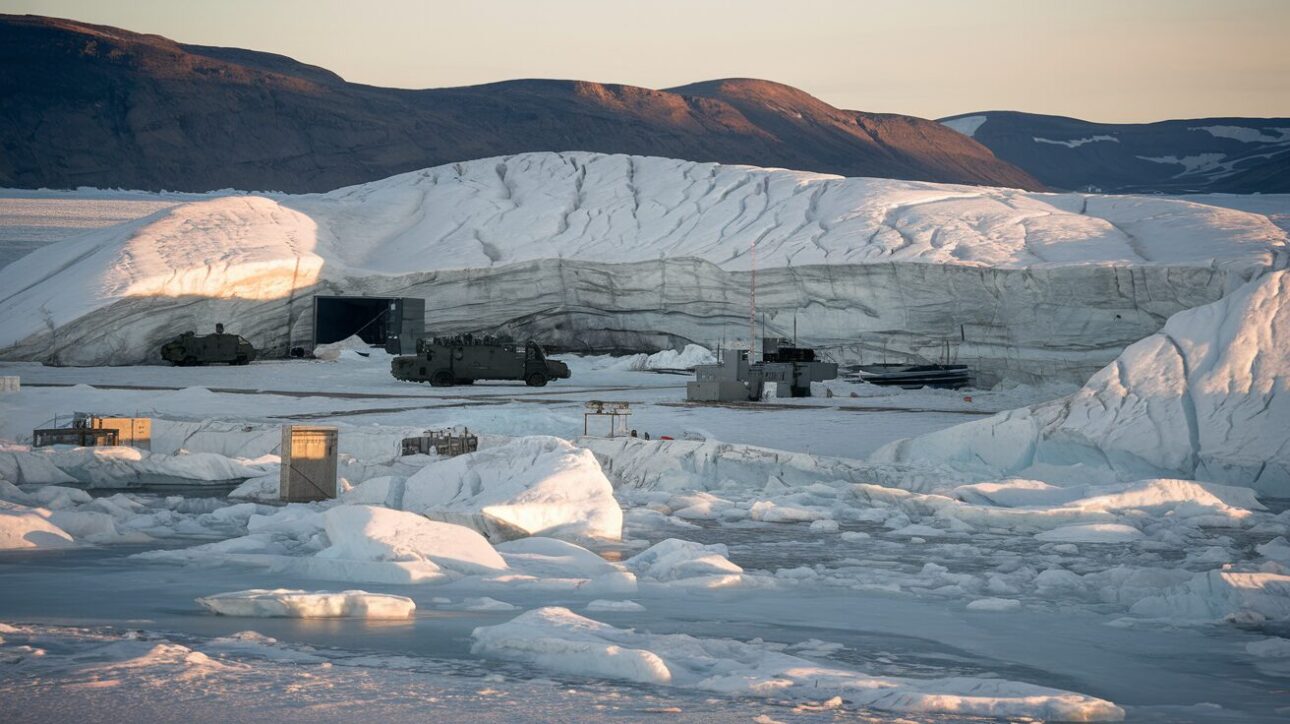
Political Implications And Responsibilities
The question of who is responsible for cleaning up Camp Century is complex.
The base was built by the United States on Danish territory, but Greenland is now an autonomous region.
The Greenland government has already expressed concerns and called for Denmark to take responsibility for the decontamination and compensation of local communities.
The 1951 treaty between the U.S. and Denmark, which allowed the construction of the base, contains ambiguous clauses regarding responsibility for properties and waste left on the territory.
This legal ambiguity further complicates the situation, especially considering that the true military nature of the base was kept secret for decades.
The Future Of Camp Century
As the world faces the challenges of climate change, Camp Century serves as a reminder of the consequences of past decisions.
The base, which operated for only eight years, left a legacy that may affect future generations.
The international community now faces the task of deciding how to deal with this “ticking time bomb” of environmental hazards before it is too late.
Do you believe that countries responsible for abandoned hazardous waste should be required to clean up these sites, even decades later?




Be the first to react!