






 Portuguese
  Spanish


A Future Marine Inc., based in Vancouver Island, announced that it will test an autonomous electric water taxi in the inner harbor of Victoria in 2026, with navigation controlled by cameras and augmented reality sensors, and is seeking approval from Transport Canada to operate the service uncrewed in the next 18 months.
The concept of water taxi is about to gain a version that seemed restricted to science fiction. The Canadian company Future Marine Inc., based in Vancouver Island, confirmed that it is building an electric vessel capable of navigating completely autonomously through the inner harbor of Victoria, British Columbia. The boat uses a navigation system based on cameras, sensors of augmented reality, and other onboard detection devices that allow the vessel to identify obstacles, calculate routes, and operate without the need for a human pilot in command.
The first unit is already in production on Vancouver Island and, once completed, will begin an experimental route of 500 meters between Dockside Green and Village Marina. During the testing phase, a captain will remain on board as a safety measure while the vessel operates in autonomous mode. Future Marine plans to conduct a rigorous series of evaluations over 18 months, a period that the company considers reasonable to obtain approval from Transport Canada and start the commercial service of water taxi without crew.
How the autonomous navigation of the electric water taxi works

According to information from the newspaper CTV News, the system that allows the water taxi to navigate alone combines different layers of technology. High-resolution cameras act as the eyes of the vessel, capturing real-time images of the surrounding environment. Augmented reality sensors add a second layer of perception, overlaying digital data onto the view of the surroundings to identify objects, vessels, and port structures with greater accuracy than isolated human vision could achieve.
-
Chile’s Plan for a 20,000 km Undersea Cable to Hong Kong Halted by U.S. Pressure, Highlighting the Silent Data Control Battle in Latin America

-
In Somaliland’s Desert, Greenhouse Uses Sun and Seawater to Grow Lettuce, Cucumbers, and Tomatoes Without Rain: 1-Hectare Project Cools Crops, Desalinates Water, and Converts Brine into Commercial Salt
-
Trump Unveils $400 Million Boeing 747 Donated by Qatar as Temporary Air Force One Amid Boeing Delays, Sparking Debate on National Security, Costs, and Foreign Influence
-
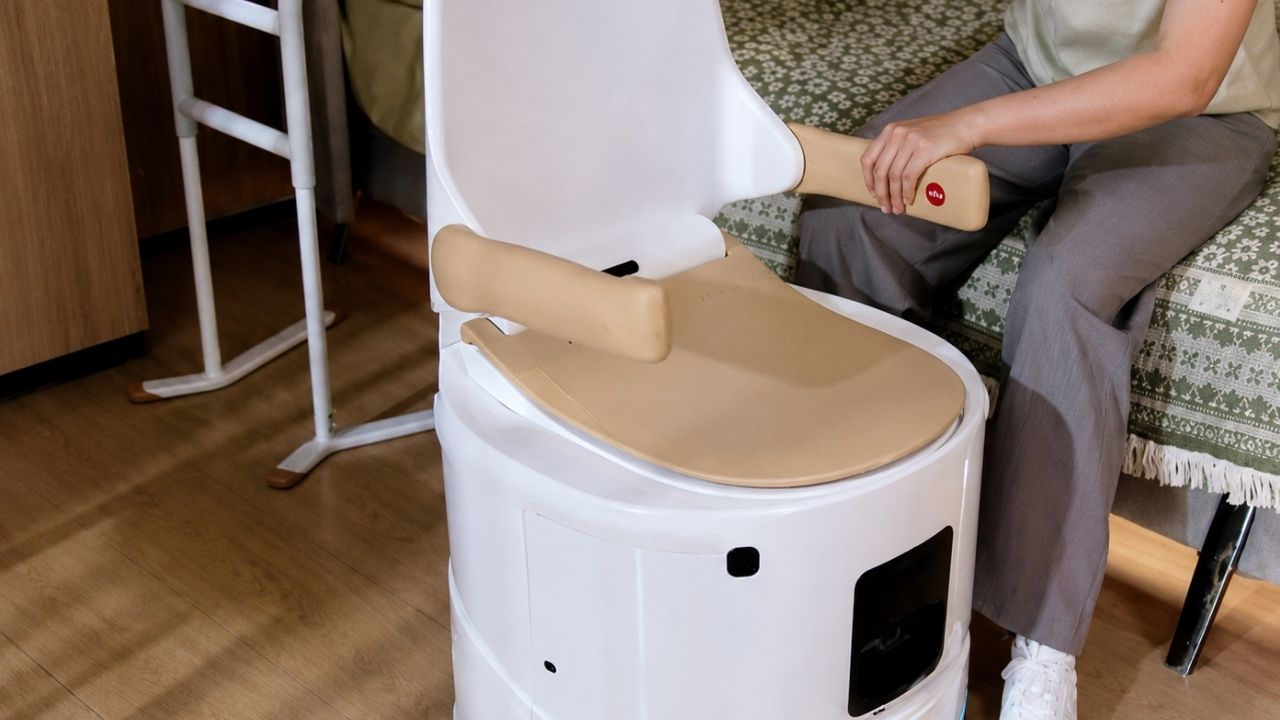
Chinese Company Unveils Robotic Toilet That Comes to You, Featuring Lidar Sensors, Voice Command, Bidet, Hot Air Drying, UV Light, and Self-Cleaning Waste Disposal



In addition to cameras and sensors, the boat is equipped with additional detection devices that feed the autonomous navigation system with information about depth, currents, and local weather conditions. All this set of data is processed in real-time so that the vessel can make route decisions without human intervention. The model follows the same logic as autonomous cars, but adapted to the particularities of navigation in a port environment, where traffic includes everything from kayaks to seaplanes.
What Transport Canada Requires to Approve the Unmanned Water Taxi
The operation of an autonomous vessel in Canadian waters does not depend solely on the technology working. Transport Canada, the federal agency responsible for regulating transportation in the country, needs to certify that the service is safe before authorizing any unmanned commercial operation. The central area of the Victoria port is regulated by this authority, which defines the maritime traffic plan for a region that includes, among other elements, a water airport.
Future Marine acknowledges that the process will be long and rigorous. The tests will include demonstrations of obstacle detection capability, response to emergency situations, and integration with existing traffic in the port. The Greater Victoria Harbour Authority stated that a new water taxi service would be a welcome addition, provided it proves its safety during the evaluation period. The company estimates that the 18 months of testing will be sufficient to meet all regulatory requirements and begin commercial operation.
The Model That Inspired the Victoria Water Taxi is Already Operating in Europe
The Future Marine project does not start from scratch. The service is being modeled after a similar autonomous system that already operates in Stockholm, Sweden, where unmanned electric vessels transport passengers through urban canals. The Swedish experience has demonstrated that autonomous navigation in port environments is technically feasible and can coexist with conventional maritime traffic.
The difference is that Victoria presents its own challenges. The inner harbor of the Canadian city is particularly busy, with traffic from recreational vessels, already operating conventional water taxis, ferries, and seaplanes. Adapting the European technology to this environment will require specific calibration of the sensors and navigation system, taking into account variables such as the North Pacific current patterns, typical visibility conditions in British Columbia, and traffic density in the summer months.
What the Autonomous Water Taxi Means for Urban Transportation in Victoria
The proposal from Future Marine goes beyond offering a technological ride. The stated goal is to integrate the electric water taxi into the city’s public transportation system, allowing residents and visitors to navigate the urban landscape without relying on cars. Victoria already has water taxi services operated by human pilots, and the autonomous version would serve as a complement, expanding coverage and reducing operational costs in the long run.
The Greater Victoria Harbour Authority sees the initiative as an opportunity to make the port more vibrant and accessible. The company claims that the vessel will be fully accessible for people with reduced mobility, a differentiator compared to many existing water transport services. The electric nature of the boat eliminates local pollutant emissions and reduces noise, two significant advantages in a port surrounded by residential and tourist areas.
The challenges that still separate the project from commercial operation
Despite Future Marine’s optimism, the path between the prototype and commercial service is still long. Regulatory approval is the biggest bottleneck, as Transport Canada has never certified a fully autonomous passenger vessel for commercial operation in Canadian waters. Each stage of the testing process will need to demonstrate that the system is as safe as, or safer than, a vessel operated by a human pilot.
There is also the issue of public acceptance. Passengers will need to trust a crewless boat to cross a busy port, which requires not only proven safety but also transparent communication about how the technology works. Future Marine bets that the 18 months of visible testing in the port will help build that trust, as residents and visitors observe the vessel operating consistently before being invited to board.
Would you board a water taxi that navigates on its own, with no pilot on board, or do you prefer that there is always someone in command? Leave your opinion in the comments, we want to know if autonomous navigation has already earned your trust or if the idea still seems too risky.


Be the first to react!