






 Portuguese
  Spanish


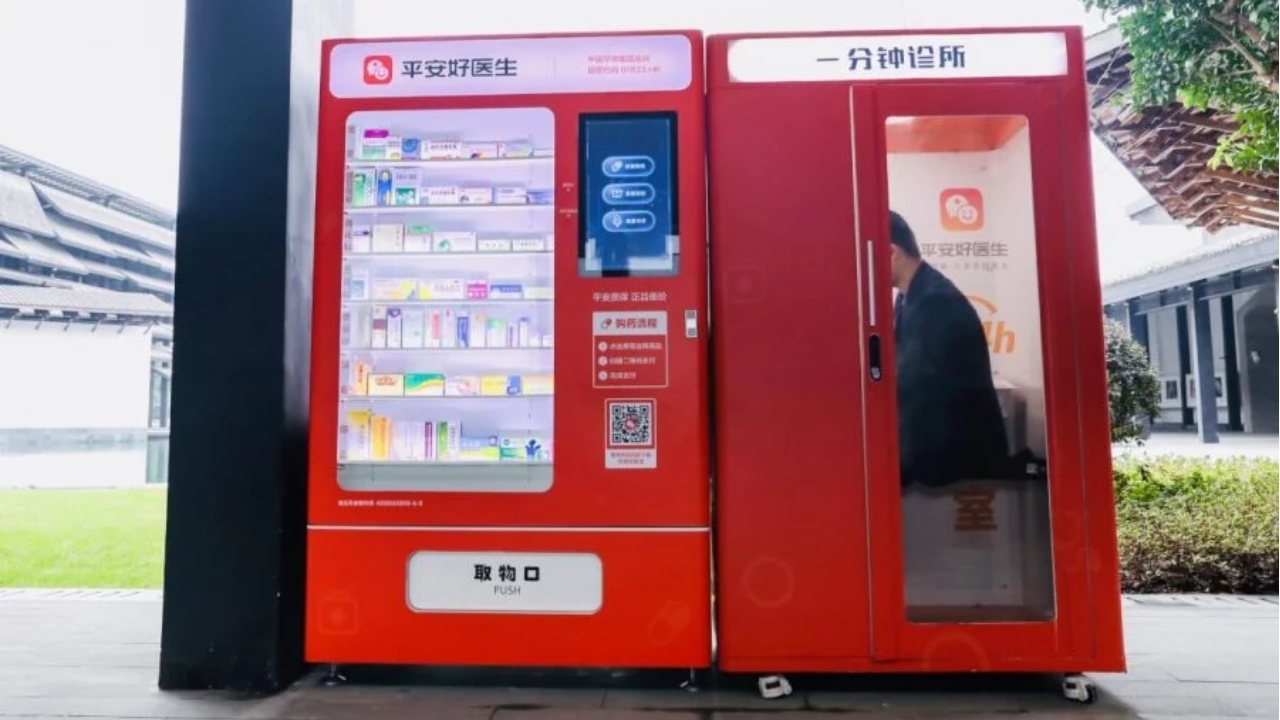


China Deploys Medical Booths With Artificial Intelligence in Urban Areas Like Shanghai to Accelerate Basic Care, Alleviate Hospitals, and Change Public Health Strategy.
China turned science fiction scenes into urban routine. In subway stations and high-traffic areas, medical booths with artificial intelligence conduct basic consultations in a matter of minutes.
The model already totals 2,200 booths across the country. Just in the Shanghai subway, there are about 250 units, integrated into the daily flow of millions of people.
Quick Care Becomes a Key Piece on the Board
The booths function as points for automated triage. The user registers, describes symptoms by voice or text, and undergoes automatic measurements of vital signs.
-
Iraq floats and sinks under an arm of the Euphrates 10 giant concrete boxes of 46,000 tons and 125 meters each to assemble a 2.4 km submerged tunnel and open a new land route between Asia and Europe.

-
Scientists use more than 20,000 artificial birds and solar speakers to “trick” seabirds, reactivate nesting routes, and revive a colony on an island that seemed abandoned.

-
She spent 73 years breathing inside an iron lung, survived the aftereffects of polio, and became the last woman in the United States dependent on the equipment before dying at 78 years old.
-
Brazilian students created a $1 filter using pine bark, cotton, and 3D-printed parts to clean cassava wastewater, reduce the toxicity of a hazardous waste, and transform contaminated water into biofertilizer.




The artificial intelligence organizes this information and filters simple cases, reducing pressure on hospitals and returning time to the medical system.

National Scale Database
According to Ping An Health, a Chinese digital health platform integrated with medical services, the system cross-references each consultation with a bank made up of hundreds of millions of clinical records.
In practice, the algorithm compares the current case with something close to 300 million doctor-patient interactions, enhancing the ability for quick decision-making.
Numbers That Explain the Strategy
The published data indicates an average consultation time of 4 minutes and a precision close to 95% for common and well-documented diseases.
The focus is on recurrent symptoms, monitoring stable chronic diseases, and initial guidance, areas where the volume of data makes a difference.
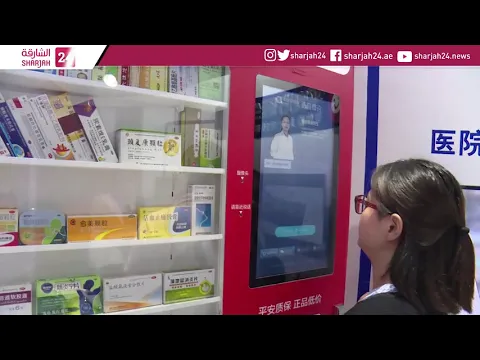

Doctor Remains at the Center of Decision-Making
After automated triage, a remotely connected human doctor reviews the case. He validates the suggested diagnosis and authorizes prescriptions or referrals.
The strategy makes it clear that the machine organizes and accelerates, while the professional takes on clinical decision-making and final responsibility.
Shanghai as a Living Laboratory
With 250 booths spread throughout the subway, thousands of monthly consultations have stopped filling hospitals. In some regions, wait times have decreased by about 70%.
Costs for patients have also decreased by around 30%, making the model attractive to a growing urban population.
Population Pressure Drives Progress
China itself recognizes the difficulty of maintaining enough doctors to serve the entire population. The investment in artificial intelligence has become a strategic pillar of health policy.
The booths expand presence, redistribute human effort, and reposition the system on a national scale.
Impact Beyond Borders
The movement does not eliminate doctors but redefines roles. Artificial intelligence takes on volume and pattern, while humans focus on judgment and the patient relationship.
The strategy changes the global understanding of health, pressures the region, and repositions the debate on the future of medicine.







No Brasil isso não vai ser aceito,pois os médicos cubanos que rendem bilhões podem acabar e o desgoverno do amor ( kkkkk) não vai ganhar $
Fala **** nao ,que é ****!!! So tem medicos Cubanos porque a ELITE nao quer ocupar as vagas em postinho!!
Cabeça é feita pra pensar !
Isso não é verdade. Eu trabalhei em posto de saúde e quando médicos cubanos chegaram já havia médicos integrados e comprometidos com a comunidade. Eles tiveram que deixar o posto contra a vontade.
não existem mais no brasil médicos cubanos trabalhando para o governo, os que tem ainda é porque ficaram no pais por sua conta e com diploma revalidado
Todo **** é **** ****
TODO **** É LADRÃO