Portuguese
  Spanish


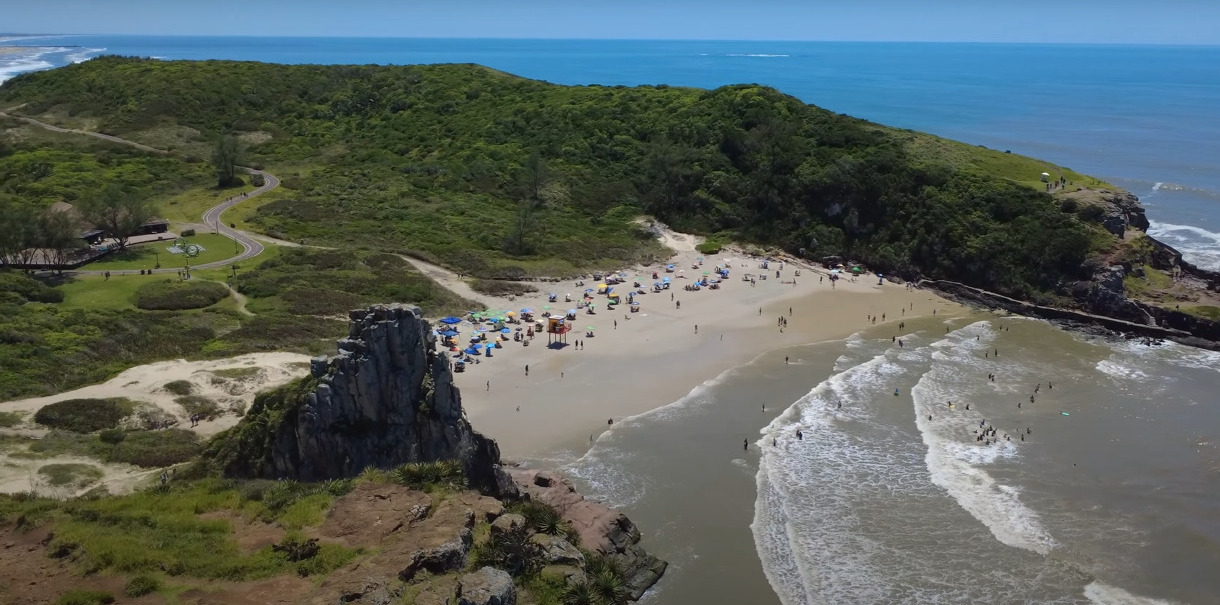


Located in the far north of Rio Grande do Sul, Torres brings together rare maritime cliffs, continuous tourist infrastructure, a stable population, and an economy based on services, events, and regional commerce, with direct impacts on the urban, environmental, and financial daily life of the municipality
Torres, considered by many as the most beautiful beach in Rio Grande do Sul, is at the northern limit of the state, about 193 kilometers from Porto Alegre, bringing together unique cliffs, structured tourism, and quality of life that impact residents, visitors, and the local economy.
Torres differs from all the Gaúcho coastline by concentrating large rock walls by the sea, forming a natural landscape that is not repeated in any other city in the region.
This geographical uniqueness has transformed the municipality into a consolidated tourist destination, attracting people interested in leisure, natural landscapes, and an organized urban environment.
-
Former Atacadão Employee Turns Online Cake-Baking Lessons into a Confectionery Brand with Factory, Store, Delivery, and Nearly $400,000 in Revenue

-
Brazilian Startup Sells Nearly 9 Million Surprise Bags of Near-Expiry Food, Prevents Thousands of Tons of Waste, Aiming for $42 Million Revenue by 2026
-
How to Prevent Brown Recluse Spider Bites: Common Hiding Spots and Free Tips to Reduce Risks

-
Natto: The Unusual Japanese Superfood Gaining Popularity on Social Media and Driving Record Exports




Cliffs That Shape The Identity Of The City
The rocky walls advance over the ocean and create a striking landscape, formed by Torre Sul, known as Torre de Fora, Torre Central, called Morro das Furnas, and Torre Norte, the Morro do Farol.
These formations serve as a natural protection for the beaches and offer elevated observation points, enhancing the relationship between residents, visitors, and the coastal environment.
The contrast between rocks, sea, and vegetation creates a natural monument sculpted over time, a central element of the municipality’s visual identity.

Daily Life Guided By The Sea And The Hills
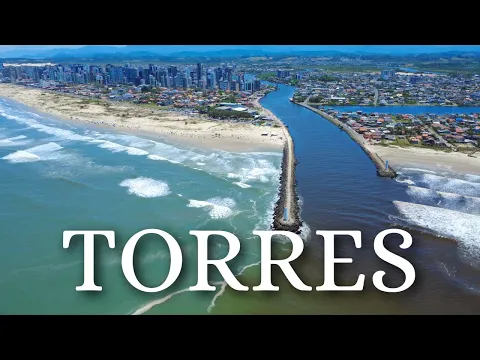
Life in the Praia da Cal and Centro neighborhoods is marked by tranquility, direct contact with nature, and a constant practice of outdoor sports.
The sound of the waves and the constant presence of the stone hills are part of the routine, contributing to a continuous sense of rest and urban well-being.
Traditional events, such as the International Balloon Festival, transform the city’s sky into an annual spectacle, attracting visitors from different regions.
The coexistence between residents and tourists occurs harmoniously, focusing on the responsible use of available natural and urban spaces.
Population, Economy, And Sustainable Foundation
The municipality has approximately 43,000 inhabitants, according to the Brazilian Institute of Geography and Statistics (IBGE), a number that supports a local economy considered solid and diverse.
The main source of income comes from qualified tourism, boosted by the unique landscape and the infrastructure capable of receiving visitors year-round.
The commerce serves not only the local population but also neighboring cities, continuously expanding regional economic circulation.
Agricultural activities and the service sector complement the economy, keeping pace with urban growth and expanding job opportunities.
The presence of good schools and colleges allows young people to study and work in their own municipality, reducing the need for migration.
Tourist Attractions And Outdoor Experiences
Torres offers leisure options that combine beaches, trails, green areas, and well-kept urban environments integrated into the city’s daily life.
Parque da Guarita is the main postcard, featuring trails among the hills and one of the most preserved beaches in the south.
Morro do Farol allows for a wide view of the region and the observation of southern right whales during specific periods of the year.
Ilha dos Lobos serves as a protection reserve, where sea lions and seals can be seen on boat tours.
Lagoa do Violão, located in the urban area, is a space for walking, sports, and relaxing at the end of the day.
A video from the Hugo Corelli channel, with over 167,000 views, presents the cliffs and beaches of the municipality in detail.
Climate, Location, And Attractions To Live
The local climate is directly influenced by the ocean, with constant breezes that help to mitigate the hottest days of the year.
Humidity and winds are part of the climatic dynamics, shaping habits and activities throughout the seasons.
The strategic location, with easy access via BR-101, connects Torres quickly to Criciúma and Florianópolis.
Living in the municipality means daily coexistence with natural landscapes, complete urban structure, and essential services operating year-round.
The combination of tourism, commerce, and nature keeps Torres as one of the most balanced destinations on the Gaúcho coast, reconciling urban growth and environmental preservation.
With information from O Antagonista.