






 Portuguese
  Spanish
  2 min of reading
  0 comments


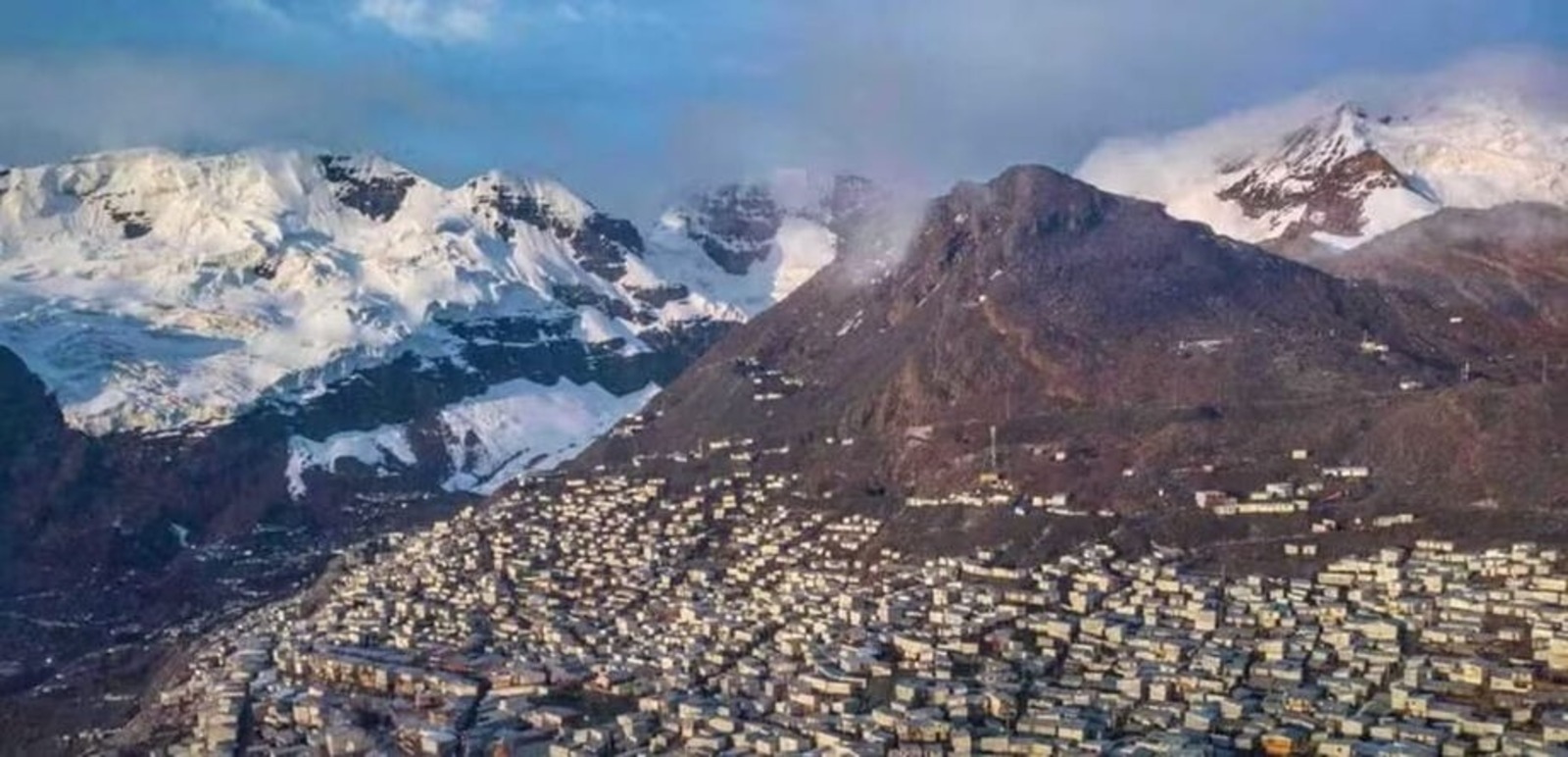
In La Rinconada, The Highest City In The World, The Promise Of Gold Coexists With Disease, Pollution, Violence, And Reduced Life Expectancy
Located at 5,100 meters above sea level in the Peruvian Andes, La Rinconada is known as the highest inhabited city on the planet. With a population between 30,000 and 50,000 people, it emerged during the gold rush and today symbolizes, amidst precariousness, the extremes of living in inhospitable conditions.
Nicknamed “devil’s paradise,” it reflects the almost total lack of infrastructure. There is no running water, sewage, garbage collection, hospitals, or paved roads.
The economy revolves around informal mining, in a system called cachorreo. In it, workers do not receive a salary but can keep part of the gold found.
-
Survivor of 1966 SS Daniel J. Morrell Shipwreck in Lake Huron Recounts 38-Hour Ordeal in Extreme Cold

-
The Greatest Hoax in World Cup History? The Film That Denied Brazil’s 1958 Victory and Exposed How Fake Evidence Can Seem Convincing on TV
-
Fake South Korean Online Stores Offer Shopping Thrill Without Spending Money or Receiving Products
-
The War of Jenkins’ Ear: How a Severed Ear Sparked One of the 18th Century’s Most Unusual Conflicts


This practice, however, comes at a high cost. The process of separating the metal requires intense use of mercury, contaminating soil, air, and water. Consequently, environmental and human impacts accumulate.
The Burden Of Extreme Altitude
Living more than five thousand meters above sea level means dealing with thin air, which contains about 50% less oxygen.
This deficit causes what is known as chronic mountain sickness. Symptoms include fatigue, headaches, insomnia, and loss of appetite.
Moreover, it is estimated that up to 20% of the inhabitants suffer from the condition. The body reacts by increasing hemoglobin levels, often above 20 g/dL, and expanding blood mass.
This adaptation aids in survival but imposes severe strain on the heart and lungs. The result is a higher risk of severe diseases.
Contamination And Violence
The situation worsens with artisanal mining. Workplace accidents are frequent, as are cases of exploitation and violence.
Factions compete for extraction areas, and constant exposure to mercury affects not only miners but also children, the elderly, and glacial water sources.
Life expectancy plummets. Among miners, it ranges from 30 to 35 years, just over half the national average in Peru.
A Portrait Of Contradictions In The Highest City On The Planet
Despite structural abandonment and permanent risks, thousands continue to migrate to La Rinconada.
The promise of wealth drives people from different regions. Children are seen working in the mines, smuggling thrives, and survival depends on strategies outside any formal regulation.
In La Rinconada, where the air is thin, hope insists on surviving. However, every breath of life comes with danger and contradiction.
With information from Diário do Litoral.





-

-

-

4 people reacted to this.