






 Portuguese
  Spanish
  3 min of reading
  0 comments


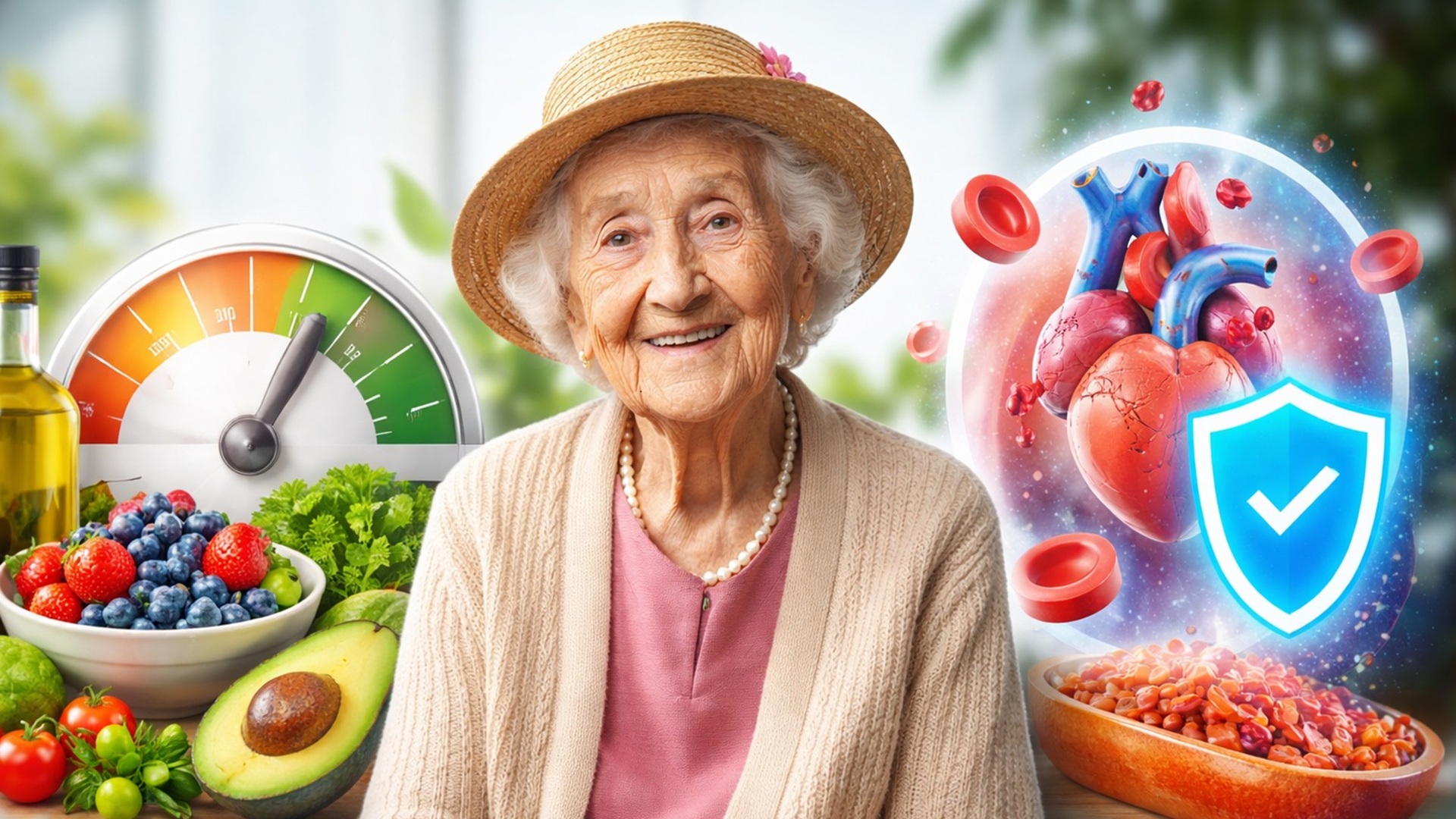
Research On Samples From The World’s Oldest Woman Indicates That Her 117-Year Longevity Was Driven By Rare Genetics, Cancer Protection Via Telomere Erosion, And An Immune System That Functioned As If It Were Much Younger.
Scientists in Spain analyzed biological samples from Maria Branyas, the world’s oldest woman, and discovered genetic variants linked to longevity. The study from the Josep Carreras Institute, published in 2025, offers new perspectives on healthy aging.
A comprehensive assessment of the health of one of the oldest people in the world, Maria Branyas, suggests that she lived to 117 years due to possessing an exceptionally young genome.
Scientists led by the Josep Carreras Leukemia Research Institute conducted the detailed analysis. The results are based on blood, saliva, urine, and stool samples provided before her passing in 2024.
-
Researchers present a hydrogen ion battery capable of storing energy in two different forms, an innovative solution that promises to increase the autonomy of renewable systems and simplify energy transportation.

-
Embrapa takes cashew, peanuts, and sesame to the world’s largest seed bank in Norway, where Brazil has already stored more than 8,000 samples since 2012 against pests and climate change.

-
Finnish company creates recycled plastic and biomass blocks that fit together without cement, are 10 times lighter than common blocks, and have already been used to build schools in earthquake-affected areas.
-
A US startup wants to build a 10 km space cannon to launch multi-ton payloads into orbit at Mach 23, replacing part of the rockets with a colossal structure that looks like a science fiction weapon.




The team found that Branyas had cells that behaved as if they were much younger. She exceeded the average life expectancy for women in Catalonia by more than 30 years.
The researchers claim they are using these findings to provide a new perspective on biology. The goal is to suggest biomarkers for healthy aging and strategies to increase life expectancy.
Cardiovascular Health Indicators And Exceptional Immune Profile
Branyas exhibited a good overall health status at her advanced age, according to scientists. Her clinical picture was characterized by excellent cardiovascular health and very low systemic inflammation.
The immune system and gut microbiota presented markers consistent with much younger individuals. She also had extremely low levels of bad cholesterol and triglycerides, along with high good cholesterol.
All these biological factors may help explain her excellent health and extreme longevity. The researchers note that advanced age and poor health are not intrinsically linked in this case.
Extreme longevity presents a paradox in understanding aging for current science. Despite their advanced age, supercentenarians like Branyas maintain relatively good health compared to other humans.
Rare Genetic Variants And The Role Of Telomeres
Some of the rare genetic variants found in Branyas are directly linked to longevity. These variants also positively influence immune function and the vital health of the heart and brain.
Interestingly, scientists noted significant erosion in the telomeres present in Branyas’s samples. These structures delineate the ends of chromosomes and protect the essential genetic material of the body’s cells.
Shorter telomeres are generally associated with a higher risk of death in humans. However, recent studies suggest they are not a useful biomarker of aging among long-lived elderly individuals.
Having very short telomeres may have given Branyas a biological advantage against severe diseases. The short lifespan of cells may have hypothetically prevented cancer from proliferating.
Influence Of Lifestyle And Demographic Data
Branyas had a mentally, socially, and physically active life throughout her existence. In addition to these healthy habits, she was also lucky with genetics to reach such an advanced age.
A Mediterranean diet rich in yogurt may have contributed to her exceptionally long life. However, extreme longevity is likely influenced by a wide range of combined genetic and environmental variables.
Centenarians currently represent the fastest-growing demographic group worldwide. Despite this, only one in ten people who reach 100 years old lives to the next decade.
Research Limitations And Publication Of Results
Research on a single person limits what can be revealed to the general population. Scientists in Spain acknowledge that larger cohorts are needed to extrapolate their specific results.
The picture that emerges from the study derives solely from this exceptional individual and her particularities. Still, the case shows possible biological pathways that make extreme human longevity feasible.
Broader studies compare long-lived individuals with their shorter-lived peers. They found biomarkers that differentiate some humans, including unique characteristics that help resist severe diseases.
What Branyas provided to researchers was a rare opportunity for deep scientific study. The complete work of the team was officially published in the scientific journal Cell Reports Medicine.
This article was prepared based on information from the scientific study published in the journal Cell Reports Medicine, conducted by researchers Eloy Santos-Pujol and Aleix Noguera-Castells, from the Josep Carreras Leukemia Research Institute in Spain.





-

-

-

-

-

-

15 people reacted to this.