Portuguese
  Spanish


The Purchase of the North Capixaba Polo by Seacrest Petróleo Marked the Entry of a New and Ambitious Player in the Market, with Plans to Invest US$ 400 Million to Revitalize the Former Petrobras Fields.
The sale of the North Capixaba Polo, one of the most important onshore oil production complexes in Espírito Santo, was a milestone in the reconfiguration of the energy sector in Brazil. In a transaction of up to US$ 544 million, Seacrest Petróleo, a company with Norwegian capital, acquired Petrobras’s assets, creating a kind of “mini-Petrobras” in the region, with control over an integrated polo with fields, pipelines, and a gas plant.
According to statements from Petrobras itself, the sale is part of the state-owned company’s long-term strategy. The history of this transaction, completed in April 2023, is an example of how specialized operators are taking on the challenge of revitalizing mature fields, promising new investments and a significant increase in production.
The Beginning of the Business: The Sale of the Fields of Petrobras North Capixaba Polo
Petrobras’s decision to sell the North Capixaba Polo aligns with its strategy to focus on high-return pre-salt assets. The polo, while important to the local economy, represented only 3.3% of the company’s production in Espírito Santo.
-
Petrobras Explores Entry into Corn Ethanol Market, Aiming to Become a Biofuel Giant

-
Brazil’s $8.5 Billion Auction Secures New Power Plants to Prevent Peak Hour Energy Shortages
-
Why Gasoline Prices Remain Stable: How Petrobras’ Subsidies and Pricing Policies Control Fuel Costs in Brazil
-
SpaceX Plans 13 km Pipeline to Reduce Truck Reliance and Speed Up Starship Rocket Launches in the U.S.


The sale contract for Seacrest Petróleo SPE Norte Capixaba Ltda., a subsidiary of the Seacrest Bermuda group, was signed on February 23, 2022. The transaction was officially completed on April 12, 2023, with Seacrest taking full operational control of the assets.
A Deal of US$ 544 Million
The total value of the deal can reach US$ 544 million. The payment structure was as follows:
- US$ 35.85 million paid as a sign at the signing of the contract.
- US$ 426.65 million paid upon the closing of the transaction.
- Up to US$ 66 million in future payments, dependent on the price of Brent crude oil.
The deal was approved by the National Agency of Petroleum (ANP) in February 2023, but with the imposition of important conditions for the new operator.
What Was Purchased? An Integrated Production Polo
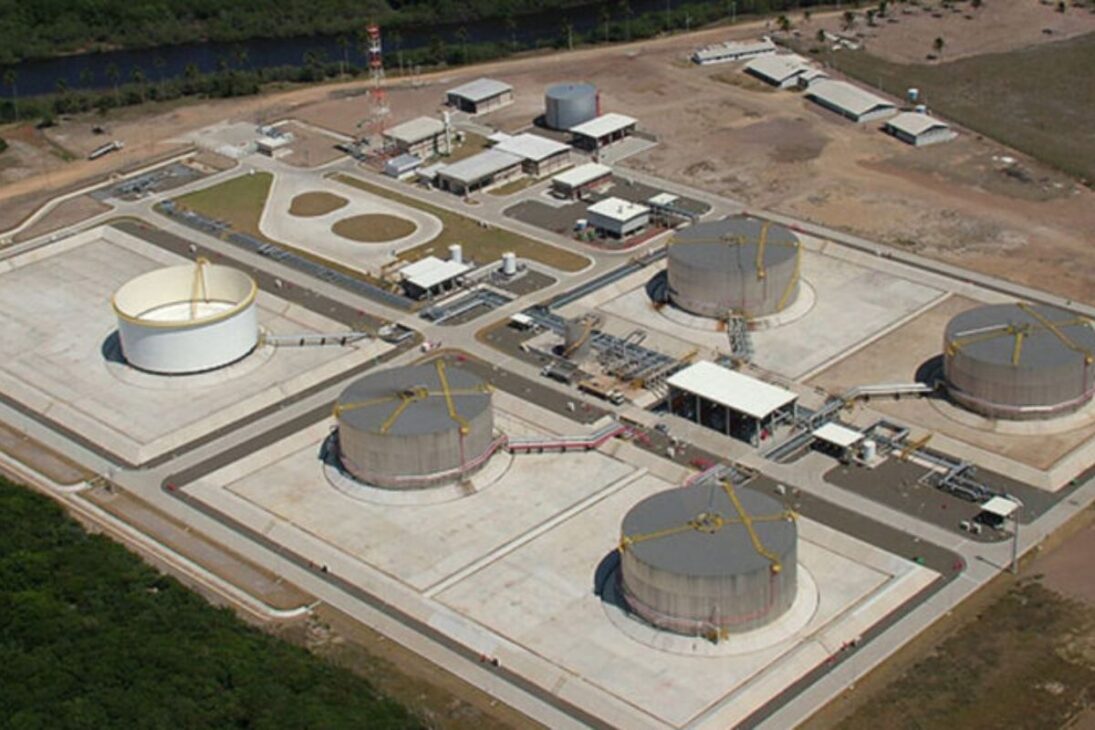
The purchase of the Petrobras fields in Espírito Santo gave Seacrest control of a self-sufficient complex. The package included:
- Four onshore production fields: Cancã, Fazenda Alegre, Fazenda São Rafael, and Fazenda Santa Luzia.
- Strategic Infrastructure: The North Capixaba Terminal (TNC), with five large storage tanks, three oil treatment stations, and a network of over 70 km of pipelines.
The Strategy of Seacrest: Revitalization and the Goal of 30,000 Barrels Per Day

Seacrest Petróleo is a company specialized in revitalizing mature fields. Its plan for the North Capixaba Polo is ambitious. The company announced an investment of at least US$ 400 million by 2027 to reverse the production decline.
The goal is to increase the recovery factor of the wells and raise daily production to 30,000 barrels per day in the next three years, an increase of more than four times compared to production at the time of purchase. The company has already succeeded with a similar strategy in the Cricaré Polo, also in Espírito Santo, where it was able to triple production.
The Firm Hand of the Regulator: The Demands of the ANP
The ANP’s approval of the sale was not a blank check. The agency required Seacrest to present financial guarantees for future decommissioning of the fields.
This requirement is crucial and sets a precedent for the sector. It ensures that the new operator will have the necessary resources to meet environmental responsibilities at the end of the wells’ life, mitigating risks and ensuring the sustainability of operations in the long run. The purchase of the Petrobras fields by Seacrest is, therefore, an example of the new business model that is reshaping the onshore oil and gas market in Brazil.