






 Portuguese
  Spanish
  3 min of reading
  0 comments


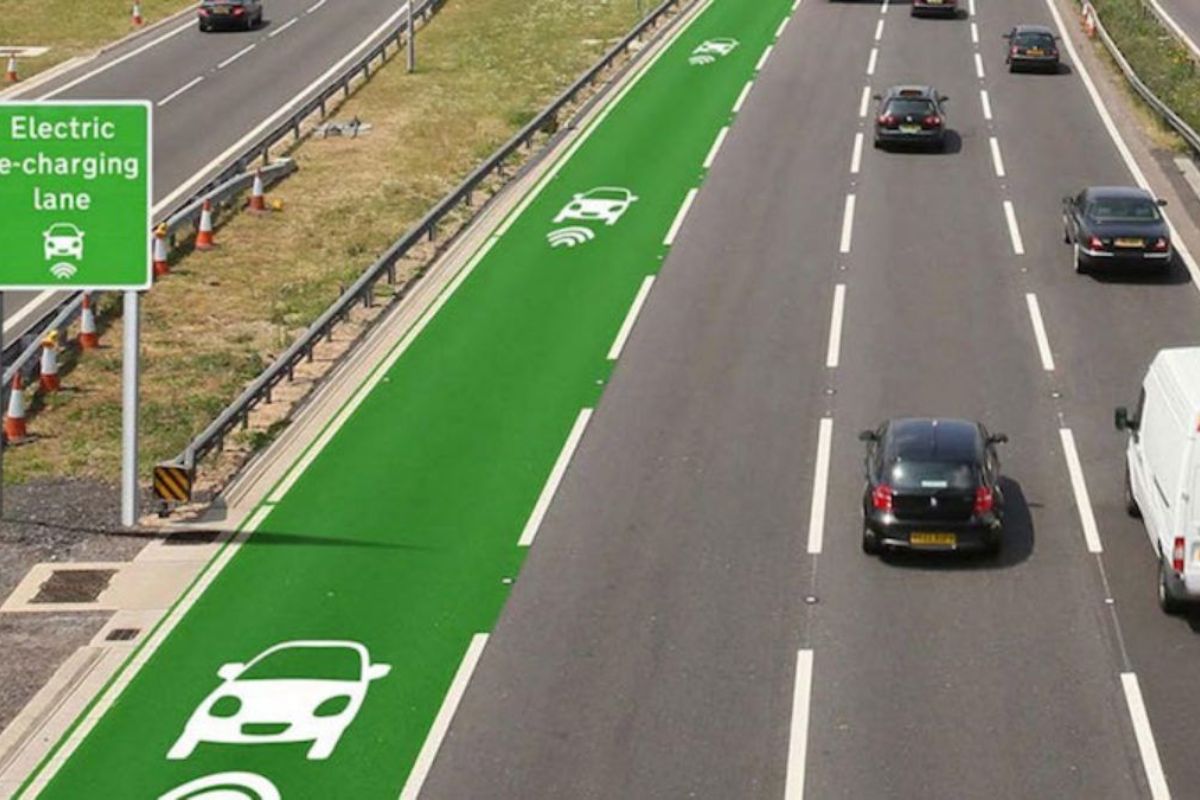
Understand The Advances, Benefits, And Reasons That Led To The Cancellation Of The First Permanent Electric Road Project In Sweden, The E20
Sweden has positioned itself as a global leader in researching roads that recharge electric vehicles while they move. The country has invested in various pilot projects to test technologies and accelerate the transition to sustainable transport. The vision was clear: to enable the construction of the world’s first permanent electric road.
However, the ambitious project to electrify the E20 highway was canceled in 2024. This revealed a critical gap between the success of the tests and the challenges of cost and financing for large-scale implementation. Despite the setback, Sweden maintains its long-term commitment to the technology, which promises to revolutionize the future of transportation.
What Were Electric Roads And Sweden’s Pilot Projects?
Sweden tested three main types of Electric Road Systems (ERS). The Smartroad Gotland project, inaugurated in early 2020, used inductive (wireless) charging over 1.65 km of road. The eRoadArlanda, opened in 2018, utilized a conductive rail in the asphalt over a stretch of 2 km. There were also tests with overhead lines, similar to trolleybuses, in Sandviken.
-
Survivor of 1966 SS Daniel J. Morrell Shipwreck in Lake Huron Recounts 38-Hour Ordeal in Extreme Cold

-
The Greatest Hoax in World Cup History? The Film That Denied Brazil’s 1958 Victory and Exposed How Fake Evidence Can Seem Convincing on TV
-
Fake South Korean Online Stores Offer Shopping Thrill Without Spending Money or Receiving Products
-
The War of Jenkins’ Ear: How a Severed Ear Sparked One of the 18th Century’s Most Unusual Conflicts


All pilot projects were successful, demonstrating the technical viability of different approaches. The inductive system proved to work well under snow and ice, while the conductive one showed cost-effectiveness.
The Ambitious E20 Highway Project And Its Cancellation In 2024
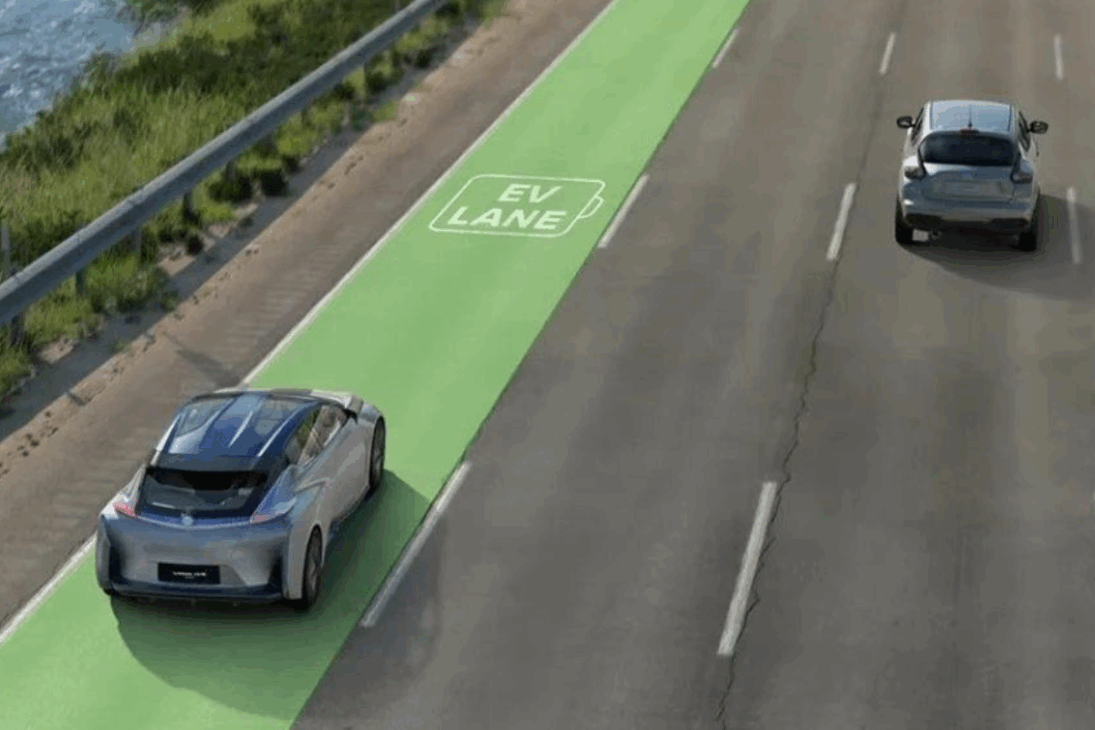
Based on the successes of the pilots, Sweden planned the construction of the world’s first permanent electric road. The project aimed to electrify a 21 km stretch of the E20 highway between the cities of Hallsberg and Örebro, with completion expected by 2025 or 2026.
However, the bidding process was canceled in August 2023 due to “increased costs and lack of necessary funding.” In February 2025, the Swedish government officially removed the project from the National Plan, ending immediate plans for the E20. The cancellation highlighted the enormous financial challenges of transforming a pilot into national infrastructure.
How An Electric Road Can Reduce Battery Sizes
One of the biggest benefits of the ERS is the potential to drastically reduce the size of vehicle batteries. Swedish studies have shown that charging while moving could decrease the battery size of passenger cars by up to 71%.
For heavy trucks, the difference is even more significant. The battery capacity could be reduced from 500 kWh to about 150 kWh. Smaller batteries mean lighter, cheaper vehicles with a lower environmental impact during manufacturing, addressing one of the biggest obstacles to the mass adoption of electric vehicles.
The Challenges For Large-Scale Implementation, Cost, Standardization, And Battery Advancements
Despite the benefits, implementing the ERS on a large scale faces significant challenges. The main one is cost. The E20 project was estimated at around 30 million Swedish Krona (SEK) per kilometer. Additionally, it is necessary to standardize a single technology (inductive, conductive, or overhead) to ensure interoperability.
Another significant risk is the evolution of batteries themselves. If batteries become much cheaper and with greater autonomy, the need for dynamic charging infrastructure could diminish, making the investment in electric roads obsolete.
The Future Of The Swedish Strategy, Focus On 3,000 Km Of Roads By 2045
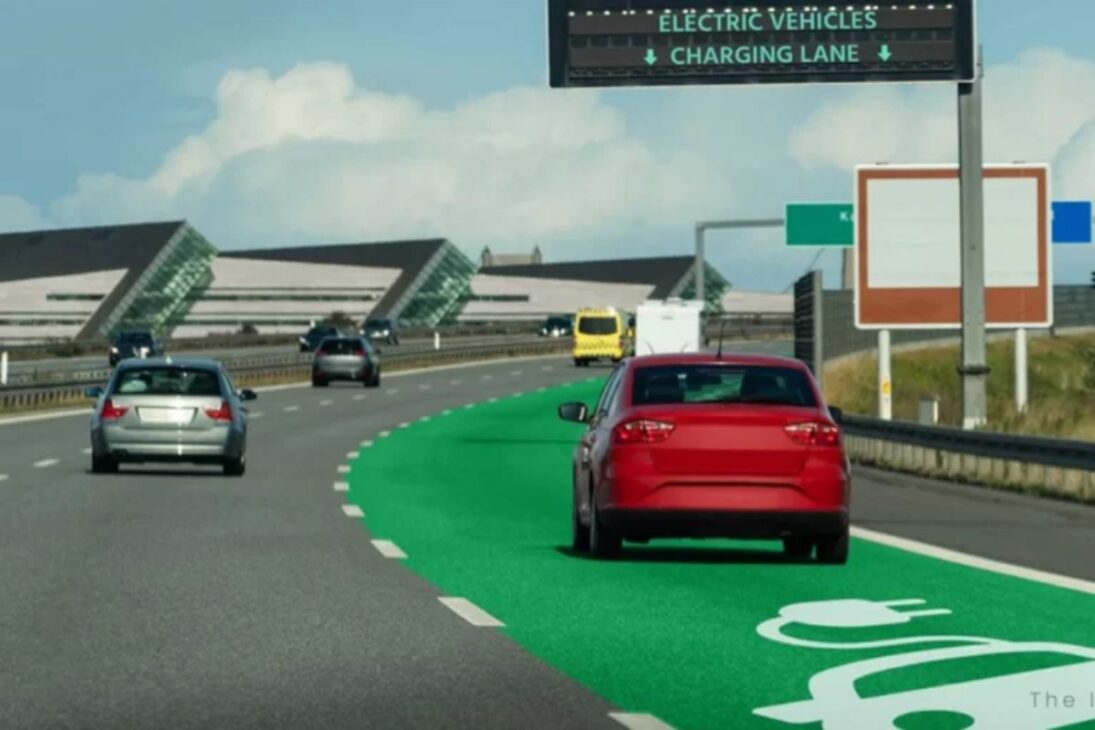
Although the construction of the first electric road in the E20 was canceled, Sweden has not abandoned the concept. The Swedish Transport Administration (Trafikverket) stated that it “will continue to monitor the development of technology.”
The country’s long-term goals remain ambitious. The plan is to expand the electric road network to 2,000 km by 2030 and, subsequently, to 3,000 km by 2045. The vision for a fossil fuel-free transport continues, now with a more cautious approach focused on technology evolution and financing models.





-

-

4 people reacted to this.