






 Portuguese
  Spanish


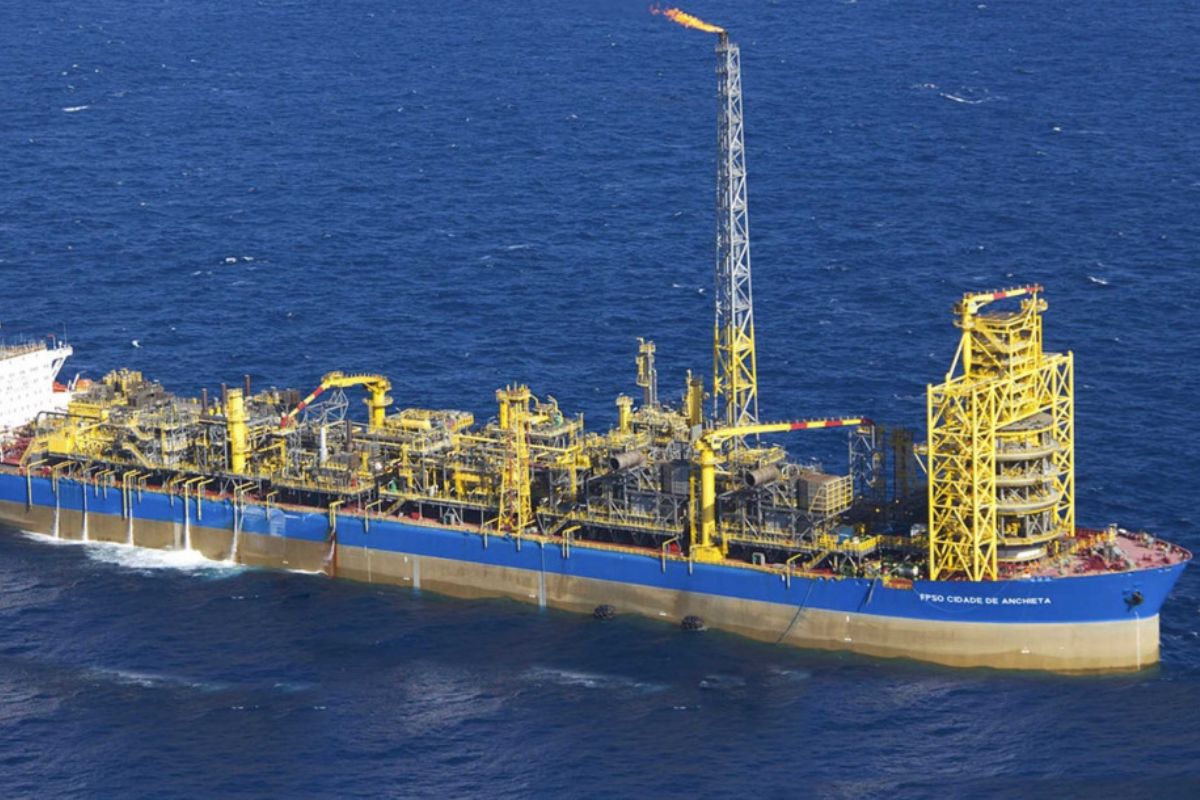


Know The Discovery Of Natural Gas, Known As The Gas Of The Future, The Petrobras Project On The Sergipe Coast Promises To Double National Supply And Reduce Dependence On Imports
The most important discovery of natural gas in Brazil in the last decade is not in the pre-salt region of Rio de Janeiro, but on the coast of Sergipe. The Sergipe Deep Waters (SEAP) project, led by Petrobras, represents a new and gigantic energy frontier for the country. With the potential to add up to 18 million cubic meters of gas per day to the national grid, the venture is seen as the key for Brazil to finally achieve self-sufficiency.
With an estimated investment of 5 billion dollars, the project is one of the pillars of the strategic plan of Petrobras for the next decade. Although production has been rescheduled to start in 2030, the initiative is advancing and promises not only energy security for the country, but an economic revolution for the state of Sergipe, with job creation and record royalty revenue.
What Is The Sergipe Deep Waters Project?
The SEAP is a mega project to explore the vast gas and oil reserves found in the Sergipe-Alagoas Basin. The operation is extremely challenging, as the fields are in ultra-deep waters, more than 2,200 meters deep and about 100 km from the coast.
-
Shorter Workdays and 14-Month Parental Leave: How Brazilian Women in Norway Experience a New Standard of Quality of Life

-
Neymar’s New Yacht Features Helipad, 800m² Space, and Six Suites After Rare Conversion, Set to Appear Off Brazil’s Coast

-
Psychologist in Brazil’s Acre Calls Alligator by Name, Shares Unlikely Bond Story
-
Baby born healthy after being frozen as an embryo for 31 years, showcasing the reach of scientific advancements




The project foresees the installation of world-class production infrastructure. There will be two large FPSO-type platforms (floating units that produce, store and transfer oil and gas), capable of processing a total of 240,000 barrels of oil per day. To bring the gas to the mainland, a new 128-kilometer-long gas pipeline will be built. The total investment to bring the project to fruition is estimated at US$ 5 billion.
What Is The Size Of The New Frontier Of The Natural Gas Discovery?
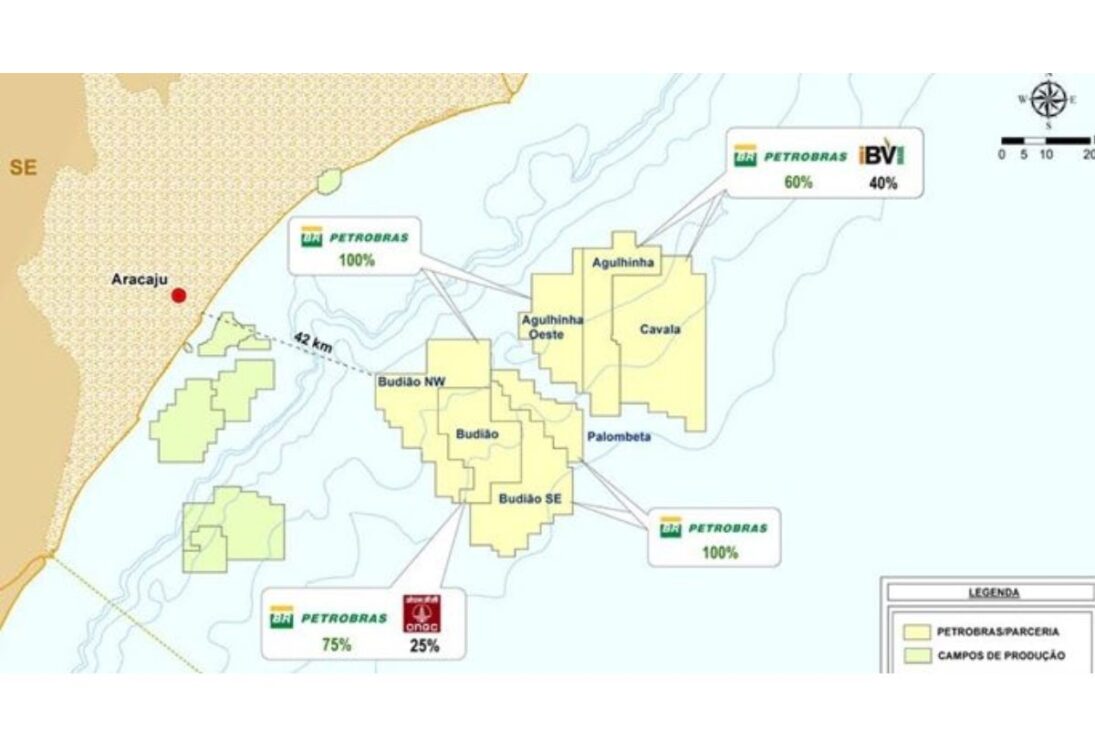
The volume of the discovery of natural gas in Sergipe is what makes it so strategic. The two platforms, together, can flow up to 18 million cubic meters of gas per day. To put it in perspective, the average gas consumption in Brazil in 2024 was 52.5 million m³/day. In other words, the project has the potential to increase the current gas supply to the market by more than 34%.
A significant technical advantage is that most of the gas from Sergipe is “non-associated.” This means that its production does not depend on oil extraction, giving Petrobras much more flexibility to adjust the supply according to the country’s needs. In addition to gas, the oil found in the region is light, high-quality, and has higher value in the international market.
Why Was The Gas Of The Future Delayed?
Despite the optimism, the project faced challenges that led to a revision of its timeline. The initial forecast was for production to begin between 2026 and 2028. However, the new plan from Petrobras postponed the start to 2030.
The main reason was the difficulty in contracting the gigantic FPSO platforms. Petrobras tried the chartering model (long-term rental), but the bidding process failed due to a lack of competitive proposals. The solution was to change the strategy to the BOT (Build, Operate, and Transfer) model, where the contracted company builds and operates the platform for a time and then transfers it to Petrobras. A new and decisive bidding process in this format has a final deadline for proposals on June 16, 2025.
The Impact For Sergipe And Brazil

When it becomes operational, the SEAP will redefine Brazil’s energy map. The volume of gas will be enough to drastically reduce Brazil’s dependence on imported gas from Bolivia and expensive LNG loads (Liquefied Natural Gas). This will bring more security and price predictability for the industry and for power generation.
For Sergipe, the impact will be transformative. The expectation is for a wave of job creation and the development of local businesses to meet the demand of the project. Revenue from royalties will jump to hundreds of millions of reais. Aware of the opportunity, the Government of Sergipe has already announced the creation of a Economic Development Fund to use part of this revenue on projects that diversify the state’s economy, ensuring a legacy of prosperity that lasts beyond the gas cycle.







Do Oiapoque ao Chui no Litoral podemos achar Petróleo, afinal o Petróleo é nosso
Como brasileiro, fico feliz se o país alcançar a auto suficiência mas ao mesmo tempo, tenho certeza que para nós consumidores nada vai mudar, vamos continuar pagando o mesmo preço do produto importado.
Puro papo ****!!ninguém mais acredita nessa mentira!!..vai continuar regulado pelo valor internacional, pro brasileiro e só ****!