Portuguese
  Spanish


With a fortune over R$ 17 billion, the Feffer family leads the world’s largest pulp producer, Suzano, maintaining a reclusive profile and rigorous control over the succession of the empire.
In São Paulo, the surname Feffer has become synonymous with paper and pulp. With a net worth estimated at R$ 17 billion, the Feffer clan controls Suzano S.A., the largest producer of pulp on the planet. The family’s journey is a saga of four generations marked by innovation, strategic growth, and notable discretion. They have built a global colossus but avoid the spotlight, focusing on governance and the perpetuation of their power through a meticulous succession plan.
The Revolutionary Vision of Leon Feffer
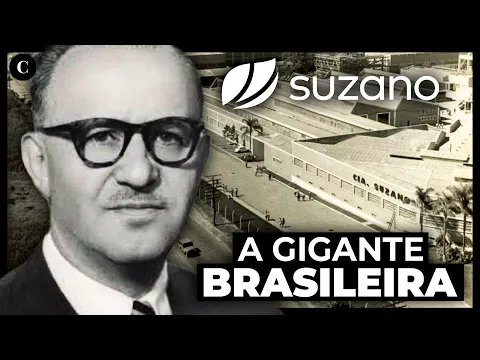
The story of the Feffer empire began with the courage of an immigrant. Leon Feffer, born in Ukraine, arrived in Brazil in 1920 and started his journey as a peddler in Brás, São Paulo. He specialized in paper trading. The turning point came in 1939 when the import difficulties imposed by World War II led him to a bold decision: to become a manufacturer.
Leon sold all his belongings, including his house and his wife’s jewelry, to finance his first factory. His greatest legacy, however, was revolutionizing the global industry. Challenging the consensus of the time, his team was the first to produce high-quality pulp from 100% eucalyptus fiber, an innovation that transformed Brazil into a powerhouse in the sector. His philosophy was summarized in the motto “I Take Responsibility,” which meant taking full responsibility for his decisions.
-
India’s Sugar Export Cuts and Ethanol Shift Amid El Niño Threat Could Impact Global Prices and Stocks

-
Quarantine Pest Threatening Palm Trees Puts Brazilian Authorities on Alert, Prompts Monitoring at University of Taubaté and Potential Control Measures Across São Paulo
-
Global Alert: Report Finds 159 Pesticides in Coffee Beans Sold in Europe, Posing Serious Risks to Millions of Farm Workers
-
Low-Demand Brazilian Beef Offal Gains Popularity Abroad: Indonesia Purchases $19.5 Million, Boosting Revenue and Reducing Waste



The Generations That Expanded and Professionalized Suzano
If Leon was the visionary founder, his son, Max Feffer, was the architect of expansion. Max propelled the global marketing of eucalyptus pulp and infused the company with a culture of sustainability and humanism, being a pioneer in the concept of social and environmental responsibility in Brazil.
The third generation, led by David Feffer, implemented a governance revolution. Upon taking the presidency in 2001, David initiated a deep modernization. In 2003, he made the strategic decision to step down as CEO to become Chair of the Board of Directors.
This move separated executive management from family control, a crucial step toward professionalization. Under his leadership on the board, Suzano made the acquisition of rival Fibria in 2019, creating the world leader in pulp.
Today, the fourth generation of the Feffer clan mainly acts as “owner-investors” and guardians of the legacy. They are not involved in daily management, reflecting the success of professionalization.
The Business Model Behind the World’s Largest Pulp Producer

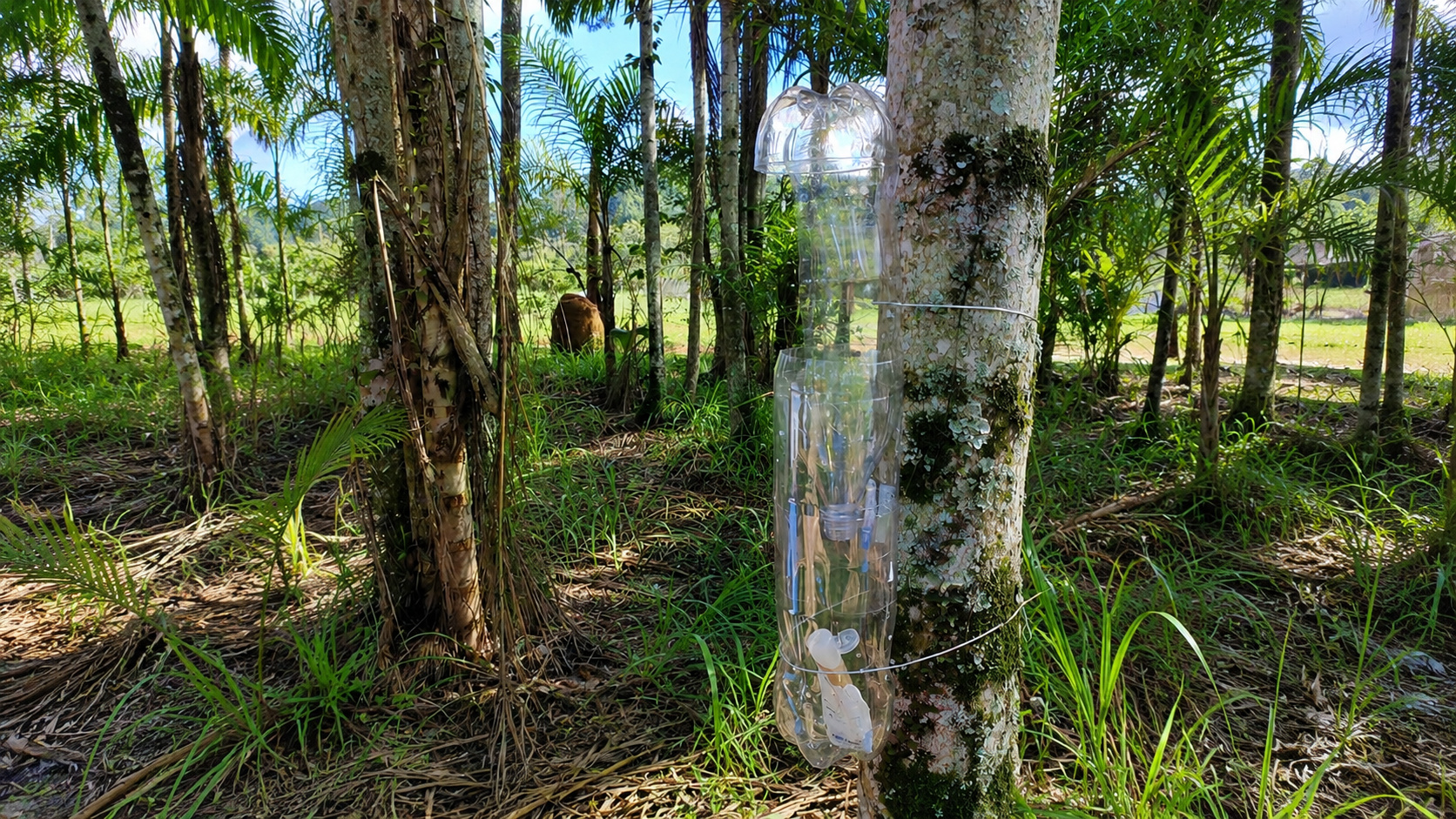
Suzano’s power is based on a vertically integrated business model. The company manages over 2.8 million hectares in Brazil, practicing “mosaic planting”, interspersing eucalyptus with native vegetation to ensure ecosystem health. The growth cycle of eucalyptus in Brazil, six to seven years, gives a drastic cost advantage over competitors.
Innovation is a central pillar, summarized in the term “Innovability”. The company uses its renewable woodbase to create bioproducts that replace fossil-derived materials. Its products, from pulp sold to over 100 countries to the leading toilet paper in the Brazilian market, reach over 2 billion people. China is a critical market, absorbing 43% of its pulp exports.
The Keys to the Durable Power of the Feffer Clan
The fortune of the Feffer clan is estimated at R$ 17 billion, with some sources indicating values that may reach R$ 29.1 billion. Brothers David, Daniel, Jorge, and Ruben are all billionaires. Despite the immense wealth, the family is extremely private. This discretion is a strategic choice that protects the family and the company from controversies, ensuring that the name Feffer is associated almost exclusively with their business empire.
Control is exercised through Suzano Holding, chaired by David Feffer. This structure allows the family to define the long-term vision while a professional CEO executes management. The dynasty’s power is solidified by a shareholders’ agreement that guarantees family control over the company until 2042, providing rare stability and protecting the company from short-term market pressures.
Challenges and Opportunities in the Next Century
As it reaches 100 years, Suzano, under the leadership of the Feffer clan, is positioned for the future but faces risks. The strong dependence on the Chinese market creates geopolitical vulnerability, and the company remains exposed to commodity price volatility.
The great opportunity lies in the “Innovability” strategy, capitalizing on the global transition to a green economy. The challenge for the Feffer clan will be maintaining family unity and a long-term vision for the next generations. Its governance model, balancing family control with professional management, presents itself as a plan for the longevity of other family empires in a constantly changing world.