Portuguese
  Spanish


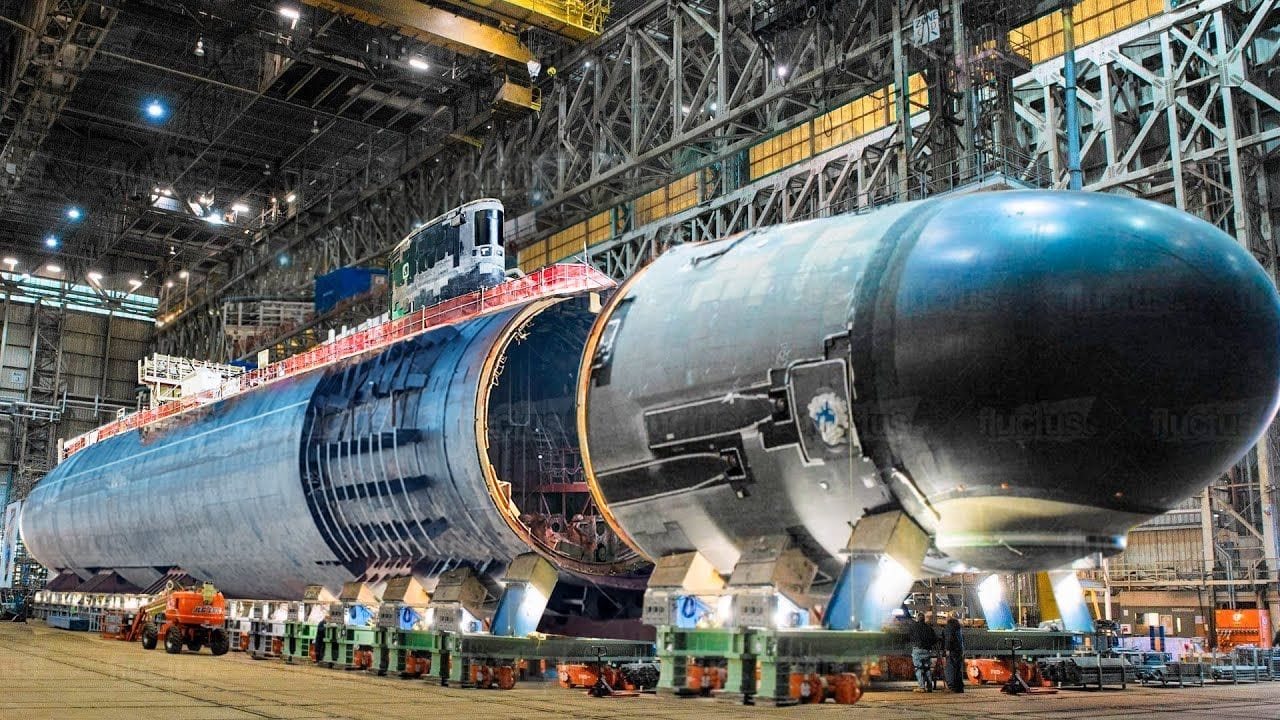

Nuclear Submarines, With Their Ability to Remain Submerged for Up to 12 Years, Represent a Milestone in Naval Engineering and an Invaluable Tool for Both Military Strategy and Scientific Research, Thanks to Continuous Innovation and Technological Advances.
In the vast and mysterious underwater world, nuclear submarines represent the pinnacle of innovation and naval engineering. Capable of remaining submerged for up to 12 years without surfacing, these technological marvels fascinate not only for their ability to explore the ocean depths but also for the complex system that allows such feats.
The ability of a nuclear submarine to operate submerged for extended periods is an achievement of naval engineering and physics. Essentially, the heart of a nuclear submarine is its reactor, which provides a constant source of energy for propulsion and for the functioning of life support systems. This innovation eliminated the need to surface regularly to recharge batteries, a limitation of diesel-powered submarines.
Nuclear Submarines Sustaining Life at the Bottom of the Sea
Nuclear submarines are equipped with advanced desalination systems, turning seawater into drinking water, and oxygen generation technologies, essential for prolonged survival beneath the surface. Additionally, careful control of buoyancy and hydrostatic pressure allows these leviathans of the depths to maneuver precisely in the ocean depths.
-
They exchanged the idea of a large house for a 35 m² warehouse, spent US$ 12,000 on the structure, and created a tiny house in Colorado with space to live and work.

-
While modern cities rely on pumps and electricity, in Iran, ancient tunnels carried water through the desert using only slope and gravity.
-
Instead of sending families far from the city, a project in Chile intentionally created incomplete houses on expensive urban land and left technical space for each to grow.
-
Angra 3 becomes Brazil’s R$ 24 billion dilemma: finishing the 66% complete plant costs almost the same as abandoning it, right in the race for energy in the AI era.




Since their introduction during World War II, submarines have undergone remarkable evolution. The transition from hybrid diesel-electric engines to nuclear propulsion represented a significant leap in the operational capability of submarines, enabling long-duration missions without the need to surface. This evolution was driven by visionary figures, such as Admiral Hyman G. Rickover, whose determination and innovation culminated in the launch of the USS Nautilus, the first nuclear-powered submarine, in 1954.
Challenges and Technological Solutions
Despite their impressive capabilities, nuclear submarines face challenges, ranging from vulnerability to external objects to the need for regular maintenance to ensure crew safety and operational efficiency. Thus, the management of nuclear waste and the risk of accidents require strict safety protocols.
In addition to their undeniable role in military and strategic missions, nuclear submarines have significantly contributed to science, enabling the exploration of previously inaccessible marine ecosystems and the study of underwater geology. Their ability to operate silently and undetected makes them valuable tools for surveillance and data collection in hostile environments.
As technology advances, nuclear submarines continue to evolve, becoming even more autonomous and efficient. Investments in advanced control systems, safety, and maintenance ensure that they remain crucial components in naval defense and the scientific exploration of the oceans. The commitment to innovation and safety supports the promising future of these remarkable underwater vessels.
But What Is the Most Powerful Submarine in the World?
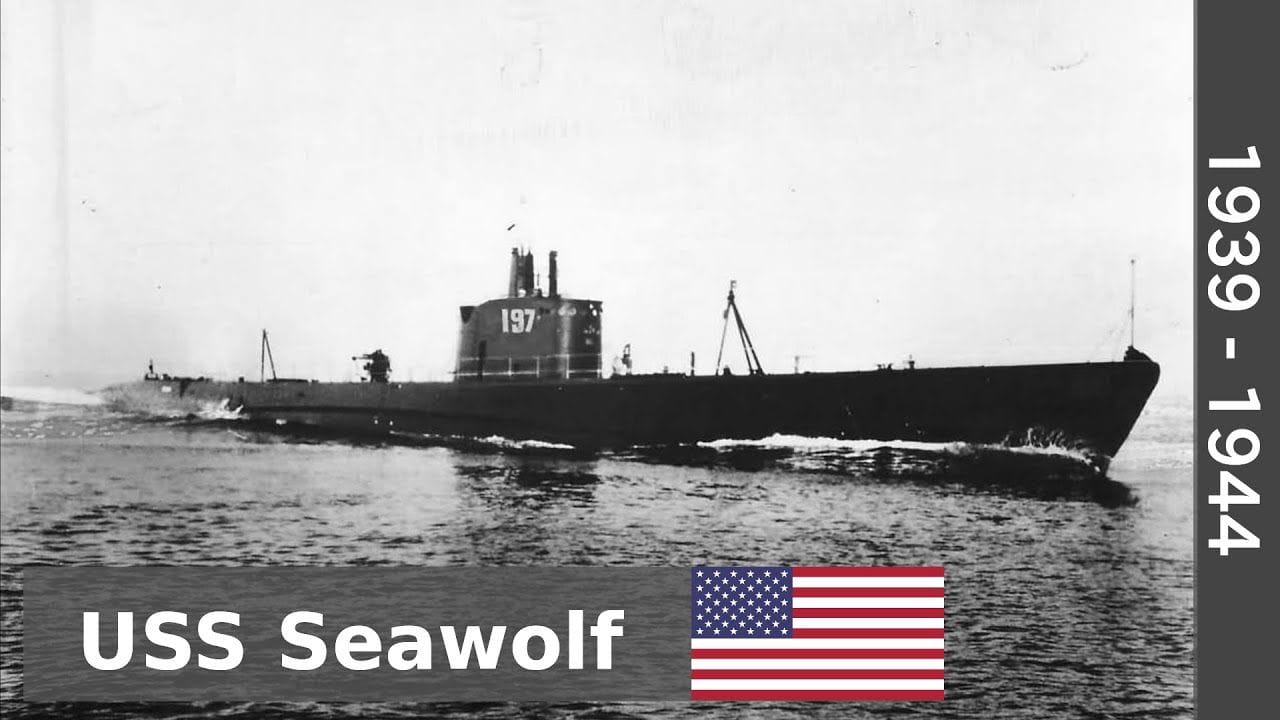
The USS Seawolf, an American model, is often cited as the most powerful submarine in the world. Incorporating cutting-edge technologies in nuclear propulsion, weapon systems, and stealth, the Seawolf represents the pinnacle of U.S. military naval engineering. Its ability to operate silently at great depths, combined with a robust arsenal, positions it as a key strategic asset in the defense and naval power projection of the United States.
Brazil’s Advancement in Nuclear Submarine Technology with Álvaro Alberto
Brazil marks its entry into the era of nuclear submarine technology with the construction of Álvaro Alberto. This project, envisioned 45 years ago, symbolizes a historic milestone for the Brazilian Navy, promising to be the first nuclear submarine to integrate the Brazilian Armed Forces. With an expected completion date in 2029, Álvaro Alberto stands out not only for its nuclear capability but as a testament to Brazil’s commitment to advancing its sovereignty and naval technological capacity.
The ability of a nuclear submarine to operate at depth is crucial for its missions. Typically, these vessels operate between 300 and 400 meters, a range that balances operational effectiveness and structural safety. This depth allows submarines to execute a variety of tasks, from surveillance patrols to special operations, while remaining safe from enemy detections.
And What Is the Maximum Speed of a Nuclear Submarine?
The question of speed is fundamental to a submarine’s efficiency in tactical and strategic maneuvers. The K-162, a Soviet nuclear submarine, holds the record for being the fastest in the world, achieving an impressive speed of 44.7 knots (approximately 82.8 km/h) in tests. This extraordinary speed highlights the potential of nuclear propulsion to provide advanced movement capabilities and rapid response in underwater environments.
The construction of nuclear submarines is a significant investment, reflecting a country’s commitment to its security and defensive capability. In Brazil, the estimated cost for building Álvaro Alberto is €100 million, equivalent to about R$ 630 million at current exchange rates. This figure underscores the strategic importance and technological weight of the project, positioning it as a central piece in the modernization and expansion of Brazil’s naval capabilities.