Portuguese
  Spanish


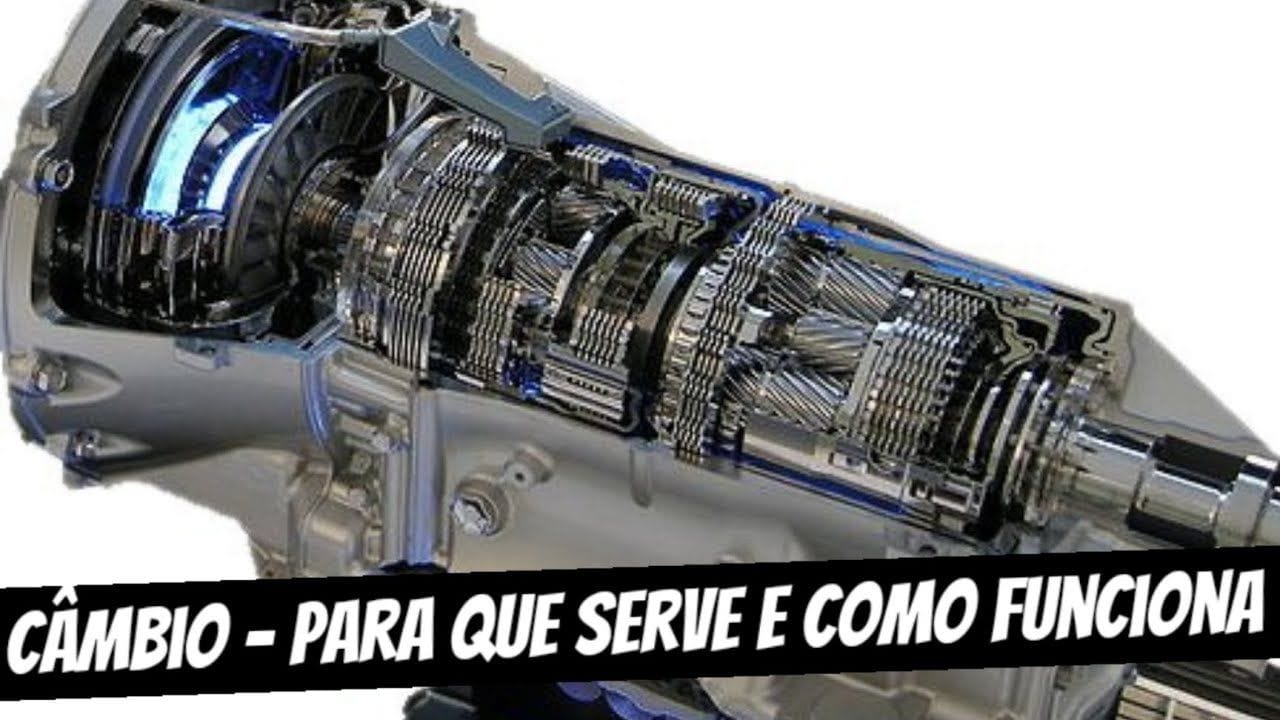

From Its Humble Beginning to Modern Transmission Systems, the Gearbox Has Been a Fundamental Piece in the Evolution of Vehicles, Directly Influencing Performance, Fuel Economy, and the Driving Experience.
The invention of the gearbox, a crucial component in modern vehicles, dates back to the late 19th century, marking a turning point in the history of land mobility. This mechanism, essential for the operation of cars, trucks, and a variety of machinery, is responsible for mediating the engine’s force and power to the wheels, allowing the vehicle to move efficiently on different terrains and speeds.
The Origins of the Gearbox

The history of the gearbox begins with Panhard & Levassor, a French automobile manufacturer, which in 1891 developed the first vehicle with a front engine and rear-wheel drive using a gearbox to facilitate the transmission of force. This system, although rudimentary, laid the foundations for future developments in transmission mechanisms.
Technology Evolution
Panhard & Levassor’s three-speed gearbox had a challenging engagement process, requiring precision in shifting between gears. Improvement came with the invention of synchronizer rings by Earl Avery Thompson in 1918, simplifying gear shifting and significantly improving vehicle performance.
-
End of an era in Brazil: beloved sedan by Brazilians is discontinued despite having a 2.0 engine with 151 hp, CVT transmission, 466-liter trunk, and up to 650 km of range.

-
New Law Proposal in Brazil Could Heavily Penalize Drivers: Dangerous Overtaking May Become a Serious Offense with Fines Increased Tenfold and a 12-Month License Suspension; Update on 2026 Progress

-
Electric Revolution: Watts W125 Motorcycle Offers 160 km Range, 90 km/h Speed, and Affordable Price Starting at $3,000
-
General Motors Replaces Over a Thousand Workers with 50 Cobots at Electric Vehicle Plant, UAW Union Criticizes Move Amid Industry’s Automation Push
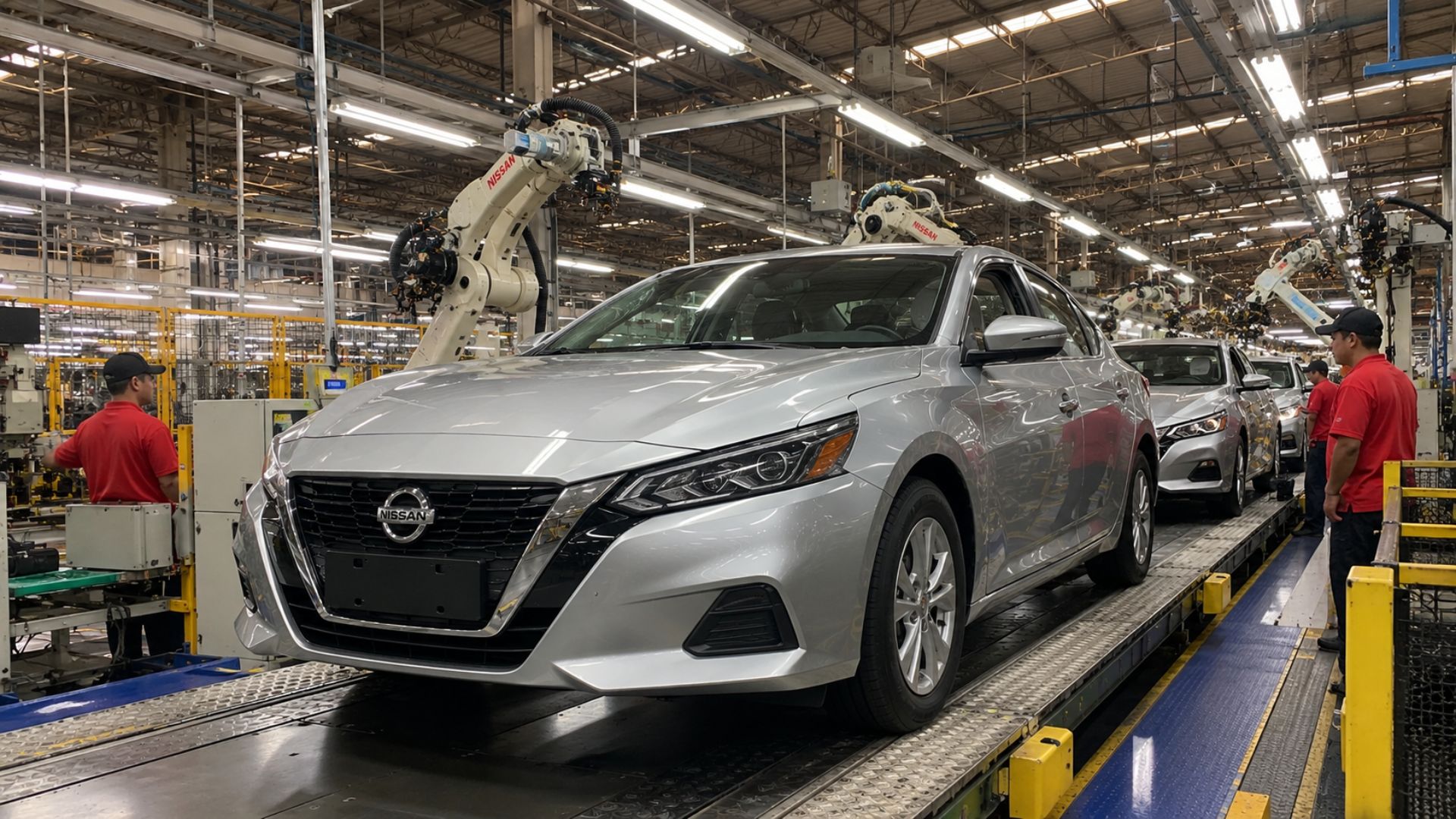



The introduction of synchronized gearboxes in the 1920s by Cadillac was a milestone in the automotive industry, offering smoother and more efficient gear changes. This technological advancement allowed for the development of faster and more comfortable vehicles to drive.
From Manual to Automatic Gearbox
The evolution of the gearbox didn’t stop at the synchronized manual. In the 1930s, the first automatic transmission emerged, freeing drivers from the need to shift gears manually. This innovation gained popularity, especially in the United States, where automatic gearboxes represent a significant portion of the market.
CVT and Dual Clutch
In recent years, the industry has seen the emergence of even more advanced technologies, such as CVT (Continuously Variable Transmission) and dual-clutch transmissions, which offer improved energy efficiency, nearly imperceptible gear shifts, and better performance.
As we move towards a future of more efficient and automated vehicles, the history of the gearbox continues to be written, promising innovations that will further transform the way we move.