






 Portuguese
  Spanish


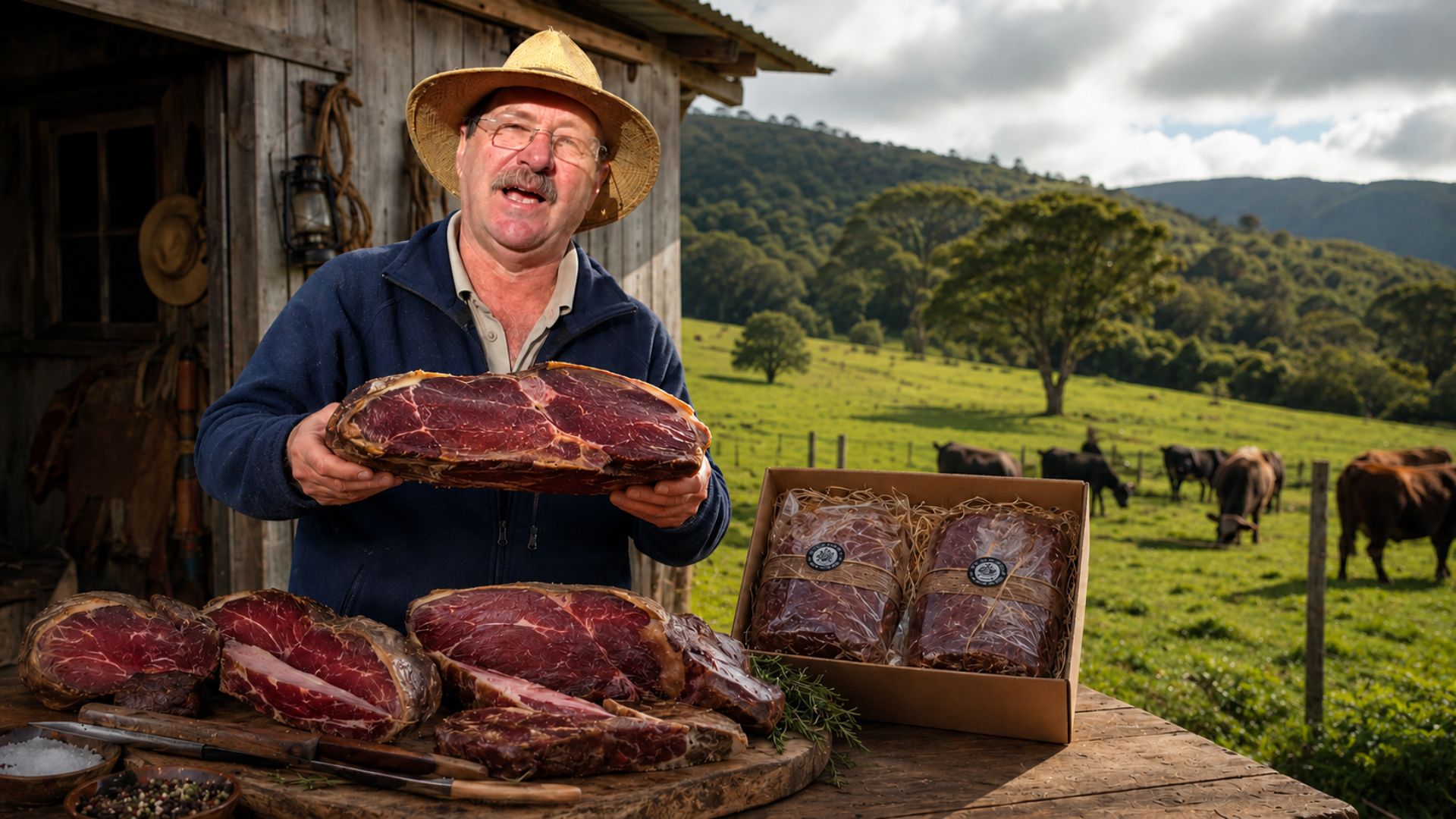

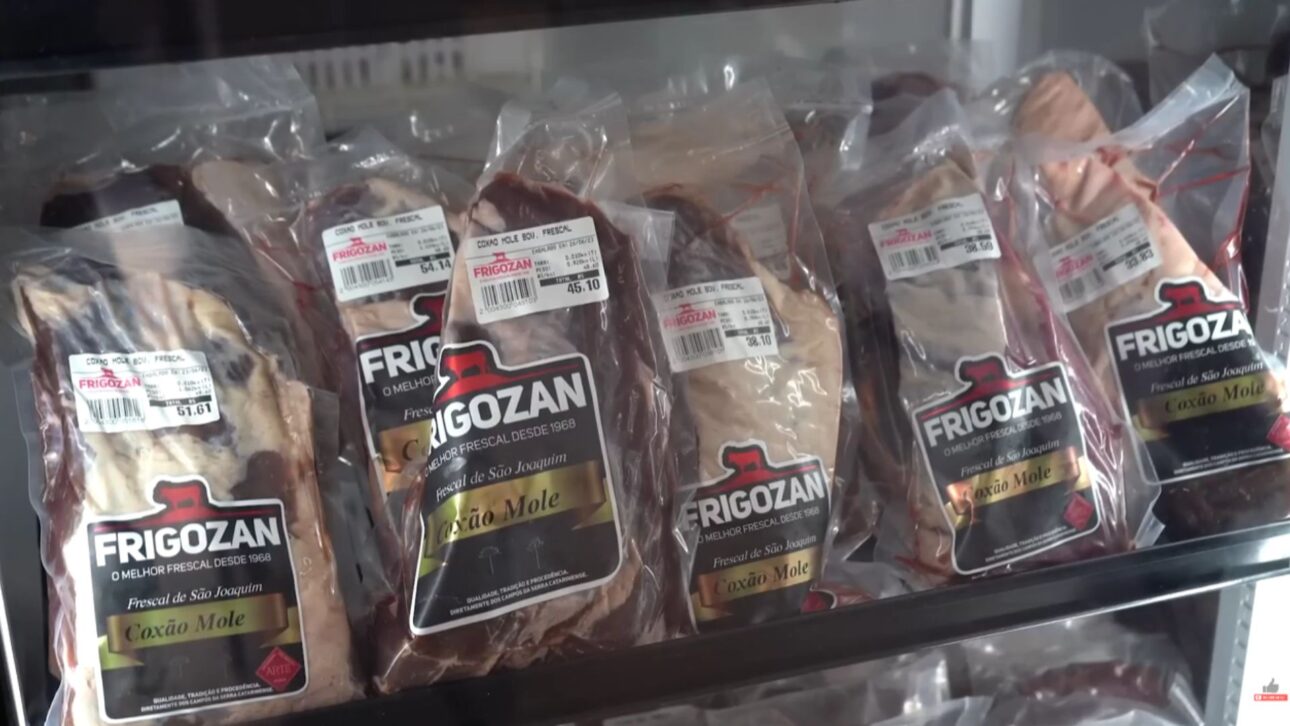
In São Joaquim, in the Serra Catarinense, the Zandonadi family transformed a technique of preserving meat without energy into frescal, a salted and matured meat made only with pasture-raised cattle. With the Selo Arte, the product now reaches Paraná, after years confined to the Santa Catarina market.
In São Joaquim, high in the Serra Catarinense, a family turned an old necessity into a delicacy, the frescal. According to the report by Aline Leonhardt from Vale Agrícola, the Zandonadi family discovered that by stopping the preparation of charque halfway through the process, they already obtained a special meat. The result became a symbol of the region and takes the name of São Joaquim to other parts of the state and the country.
With over 50 years of history and made only with pasture-raised cattle from the same region, the frescal has just gained an important boost. The salted and matured meat has earned the Selo Arte, which recognizes it as an artisanal product and allows sales outside of Santa Catarina. With this, according to the family, the product began to reach greater Curitiba and expand throughout Paraná.
From charque to frescal, a family discovery
At that time, when a cow was slaughtered, it was necessary to bury the meat, trade it with neighbors, or find a way to preserve it for longer, and that’s how charque, salted and sun-dried, emerged.
-
Phone Falls from Plane at 300 Meters in Rio de Janeiro, Continues Recording for 15 Seconds, Found by Environmentalist Next Day in Unbelievable Twist

-
8-Year-Old Finds 900-Year-Old Viking Bronze Buckle on Swedish Beach While Fossil Hunting
-
8-Year-Old Who Ran Barefoot Wins Race in Brazil with Shoes Gifted by Famous Athlete, Becomes Symbol of Hope but Family Seeks Support to Sustain Athletic Dream
-
Couple Transforms Abandoned Farm in São Paulo into Major Poultry Operation with 295,000 Birds and Plans for Expansion


According to the report by Aline Leonhardt, it was from this tradition that the Zandonadi family, from São Joaquim, made their own discovery.
The secret was in stopping halfway.
The family realized that halfway through the charque process, and just by controlling the temperature during maturation, they already had a different product in hand, the frescal.
The founder learned on his own how to cure the meat with salt, with no one to teach him, and this knowledge was passed on to his children, including Hilário, who now takes care of the production.
What is frescal and why it is not charque
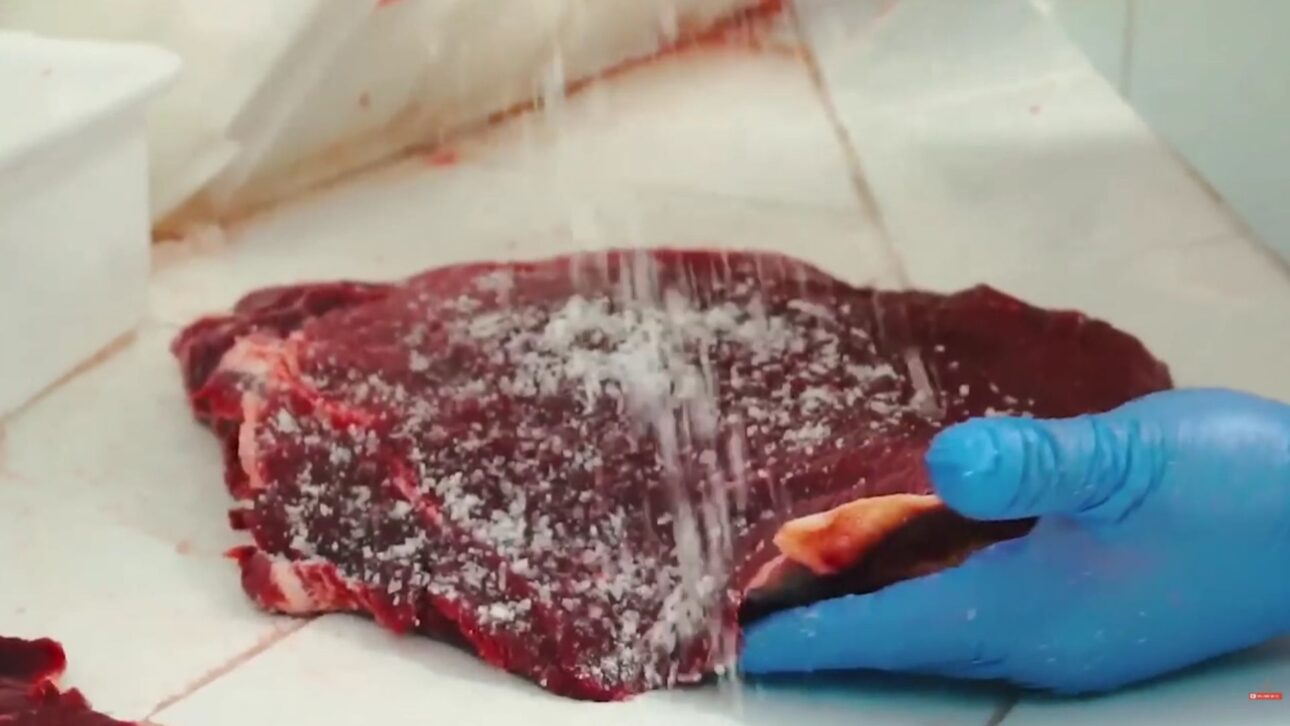
According to the report, many people confuse frescal with the old charque, but it is a salted and matured meat, not just dried.
Since it is already salted and partially dehydrated, it roasts or cooks faster and becomes tender due to the maturation process.
In practice, it is a versatile meat in the kitchen.
Frescal yields dishes like carreteiro and is also good roasted on the grill or in the oven.
With over 50 years of history, according to the family, the product carries its own way of making, inherited from previous generations, which helps explain the characteristic flavor.
Only pasture-raised cattle from the Serra Catarinense
The quality of frescal, according to the family, starts in the field.
The production uses only cattle from the Serra Catarinense, raised on pasture and without confinement, because, according to the producers, confined cattle do not deliver a frescal equal to that of animals raised in the native field.
In winter, when this field becomes weak, they resort to improved pastures to maintain the raw material almost all year round.
Technical monitoring completes this care.
On the family’s farm are the heifers that will become breeding stock, and the work includes veterinary assistance, a role of the breeder Cléberson.
Among the breeds are Charolais and synthetic crosses that are gaining strength, mentioned in the report as generators of animals of good quality and carcass yield.
After slaughter at the slaughterhouse, comes the salting, passage through cold chambers with controlled temperature, and only then, the shipment to the butcher shop in downtown São Joaquim.
The Selo Arte and the departure to Paraná


The new generation of the family entered the business to ensure continuity.
Germana, granddaughter of the founders, and her husband Fábio traded mechanical engineering for succession in the company.
According to them, both the desire to continue a story linked to the culture of São Joaquim and the chance to invest in something of their own, whose success would depend on the family’s work, weighed heavily.
The recent turning point was the achievement of the Selo Arte.
According to the report, the seal recognizes frescal as an artisanal and unique product of the region and allows sales throughout Brazil.
Previously, as the slaughterhouse only had state inspection, the product was restricted to Santa Catarina.
Now, the family claims to already see markets opening, especially in greater Curitiba, with expansion to Paraná, and sees growth potential, although they emphasize that the most important thing is for the consumer to know the product well.
The history of São Joaquim’s frescal shows how an old necessity turned into identity and income for an entire family.
What started as a way to preserve meat without a refrigerator turned into a salted and matured meat with over 50 years of tradition, linked to barbecue and the culture of the Serra catarinense.
With the Selo Arte, this know-how of the old generations begins to reach Paraná and, who knows, other states.
And you, have you tried frescal or knew the difference between it and charque? Do you think artisanal products like this should gain more space outside their states of origin? Tell us in the comments, with respect for different opinions, and share this article with those who love meat, barbecue, and good stories from the countryside.


