





Identified by archaeologists after being collected in Gotland, the Viking bronze buckle in the shape of an animal head may have been exposed by a damaged grave. The artifact will be preserved by local authorities and reinforces the archaeological importance of the Swedish island in the Baltic Sea linked to the medieval Viking Era.
A Viking buckle made of bronze over 900 years old was identified in Gotland, a Swedish island in the Baltic Sea, after being found in an area associated with archaeological remains. The artifact, in the shape of an animal head, was analyzed by specialists and may have been exposed after agricultural work damaged an ancient grave in the region.
According to the Miami Herald, based on information from the Gotland County Administrative Board, the discovery was announced in September 2023. The object was found by Bruno Tillema during a walk, but the central point of the find lies in the archaeological value of the piece, the possible funerary context, and the preservation of the material by local authorities.
Viking bronze buckle was in the shape of an animal head
The piece identified by archaeologists draws attention for its unusual design. The Viking buckle was described as a bronze artifact in the shape of an animal head, a characteristic associated with ornaments and accessories used in clothing during the late Iron Age and the beginning of the Viking Era.
-
China Tests Giant 582-Ton Magnets to Contain Plasma Hotter Than the Sun’s Core, Aiming to Cut Superconductor Costs and Generate First Electricity from “Artificial Sun” by 2030
-
Lenovo Unveils Legion Y700 Tablet with RGB Backlighting, 5G, and SIM Card Support
-
Lenovo Unveils Legion Y700 Tablet with RGB Backlighting, 5G, and SIM Card Support
-
Northern Brazilian City Prepares Task Force to Mitigate El Niño Impacts with Stockpiled Fish, Drone Monitoring, Firefighting, and Water Supply Reinforcement in Remote Areas


This type of object was not just functional. Buckles could fasten clothes, be part of garments, and carry decorative elements linked to the cultural patterns of the time. In ancient societies, details of shape, material, and finish help researchers interpret habits, circulation of objects, funerary practices, and social relations.
The bronze also increases the archaeological interest of the discovery. Over the centuries, this material can darken, oxidize, and lose part of its original appearance, making immediate identification difficult for those who find the piece outside a technical context. Still, the preserved shape was sufficient to indicate that it was not a simple modern metal fragment.
Gotland is an important region for Viking Era archaeology
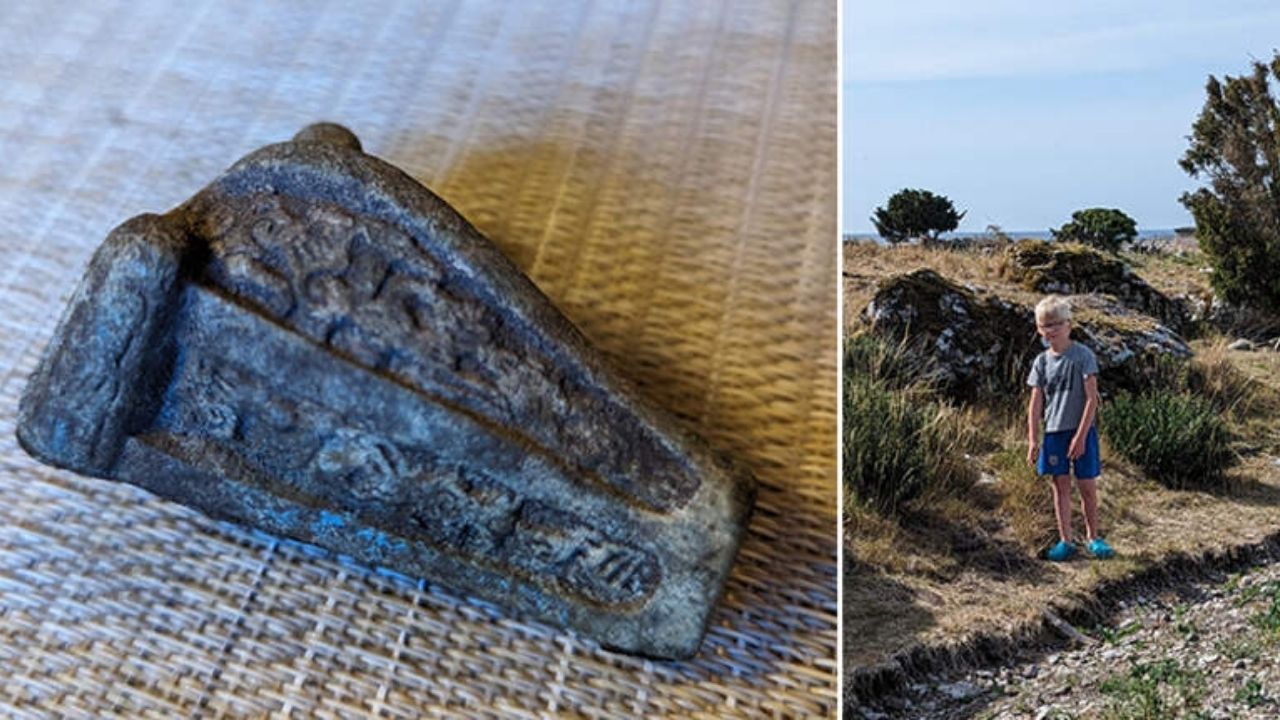
Gotland is located in the Baltic Sea, off the coast of Sweden, and is recognized for its strong connection to the Norse past. The island frequently appears in archaeological studies due to its strategic position, ancient remains, and its relation to circulation, trade, and settlement routes in northern Europe.
In this context, the identification of a Viking buckle in Gotland is not an isolated historical event. The region is already considered a significant territory for understanding the presence of ancient communities in the Baltic and how objects, symbols, and cultural practices circulated during the Viking Age.
The importance of the find lies precisely in the intersection between object and territory. A small buckle, when analyzed in the correct location, can help reconstruct parts of a larger context. It indicates not only the use of accessories in clothing but also possible relations with burials, visual identity, and material practices of an ancient population.
Damaged grave may have exposed the artifact
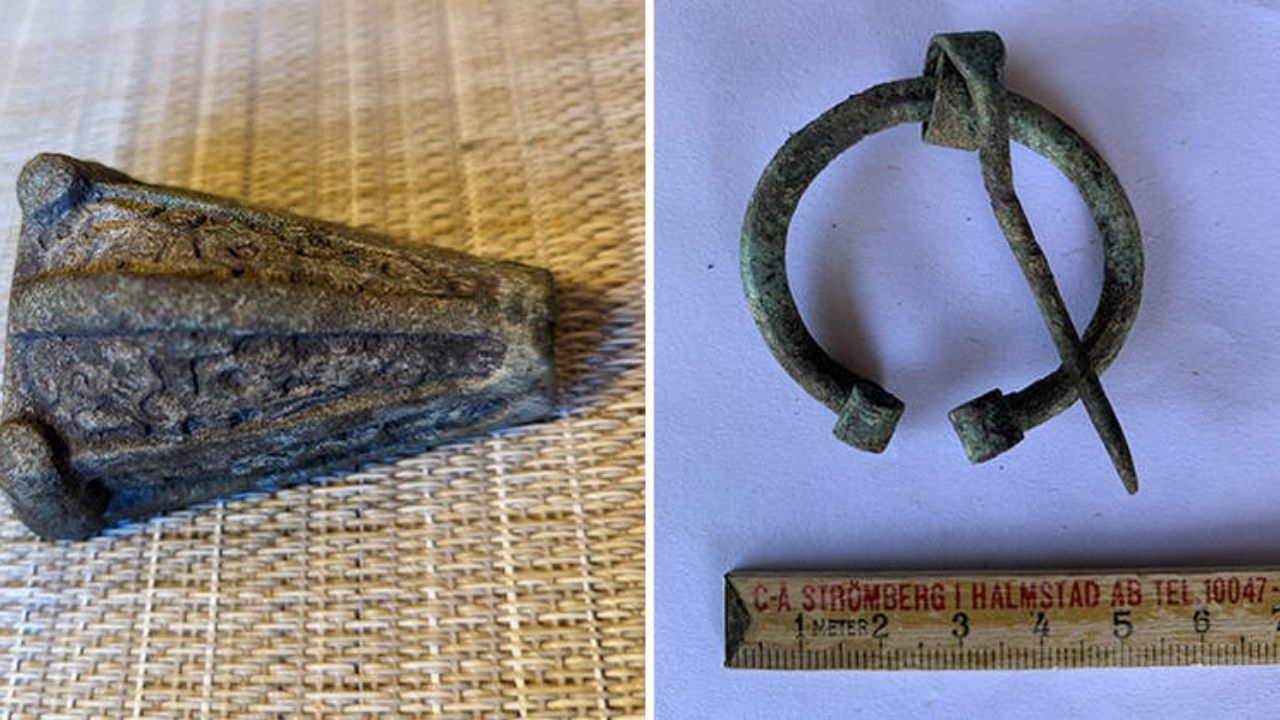
Local authorities indicated that the Viking buckle may have come from a damaged grave. The hypothesis is that agricultural work may have moved the soil, displacing or exposing objects that had been buried for centuries. This possibility helps explain why the artifact appeared outside of a formal excavation.
This type of situation is common in areas with long human occupation. Activities in the field, erosion, natural changes in the terrain, and modern interventions can affect ancient archaeological layers. When this happens, pieces that remained buried for hundreds of years may unexpectedly surface.
The archaeological reading does not depend solely on the object itself but also on the context in which it appears. Therefore, the hypothesis of a damaged grave is relevant. It suggests that the buckle was not lost by chance but possibly part of a broader funerary set, associated with burial practices of the time.
Second buckle reinforced the hypothesis of funerary remains
After the initial find, a subsequent excavation was carried out in the area. During this work, archaeologists found another ancient buckle, this time in the shape of a ring. The presence of another bronze piece near the site increased the specialists’ interest in the land.
A single Viking buckle would already be enough to justify archaeological attention, but the emergence of another artifact reinforces the possibility of a more complex context. When similar objects appear in the same area, researchers can investigate whether they belonged to a burial, a set of garments, or an ancient layer altered by recent activities.
Authorities reported that ring-shaped buckles have been found in the graves of both men and women. Meanwhile, pieces in the shape of an animal head usually appear in female graves, according to the explanation released by local bodies. This does not allow us to say with certainty who used the object, but it opens paths for archaeological interpretation.
Buckles helped to compose outfits and preserve cultural signs
In the Viking Age, buckles and other metallic elements had a practical function in clothing. They helped fasten garments, adjust fabrics, and compose everyday or funerary attire. At the same time, these objects could feature designs, shapes, and finishes that went beyond simple use.
The Viking buckle found in Gotland stands out precisely for combining function and ornamentation. The animal head shape indicates an aesthetic and symbolic concern, common in various ancient objects linked to Northern Europe. For archaeologists, these details serve as clues about manufacturing techniques, visual preferences, and cultural codes.
Small objects can also reveal differences in era, region, and social use. A bronze buckle not only shows how a garment was fastened. It can indicate clothing patterns, funerary practices, material circulation, and even relationships between communities that shared similar styles across the Baltic Sea.
Preservation ensures the piece continues to be studied
After identification, the artifacts were sent for preservation. According to the information released, the pieces will be placed in a collection, ensuring adequate protection and access for future studies. This procedure is essential to prevent loss, damage, or mischaracterization of archaeological objects.
The preservation of a Viking buckle allows for new analyses to be conducted with more detailed methods. Researchers can investigate the composition of the bronze, manufacturing marks, wear, probable origin, and relation to other finds in the same region. Even when the piece seems simple, it can hold relevant information about an entire society.
This care also prevents the object from being treated merely as a curiosity. By entering a collection, the buckle becomes part of a broader archaeological record. It ceases to be an isolated item and becomes part of the material memory of Gotland, contributing to studies about the Viking Age and the Baltic’s past.
Find shows how ancient objects can reappear outside of excavations
The discovery of the Viking buckle shows that historical artifacts do not always emerge in large planned excavations. In many cases, ancient objects reappear after changes in the soil, construction work, erosion, or agricultural activities. The challenge is to recognize the importance of the find and properly forward it to the responsible authorities.
This point is essential for the preservation of archaeological heritage. When an ancient piece is removed without record, sold, discarded, or cleaned improperly, part of its history can be lost. The value of the artifact is not only in the material but also in the location, the association with other objects, and the information it can offer.
In the case of Gotland, further analysis and the discovery of a second buckle helped broaden the understanding of the site. What might have seemed like just an old metal object came to be interpreted as a possible remnant of a damaged funerary context, linked to practices and attire of the Viking Age.
The Viking bronze buckle found in Gotland reinforces how small artifacts can open important windows to the past. Over 900 years old, with an animal head shape and possible connection to a grave damaged by agricultural work, the piece will now be preserved as part of the archaeological memory of the Swedish island.
Do you think ancient objects found outside of excavations should always be handed over to the authorities for analysis? Tell us in the comments if you’ve ever seen any curious finds on a beach, site, trail, farm, or backyard.


