Portuguese
  Spanish


In Lontras, in the Upper Itajaí Valley, father and son bet on African mahogany, an exotic species, on one and a half hectares of depleted tobacco land. Fifteen years later, even facing ants, frosts, and droughts, the forest stands tall and the water springs have returned to flow.
A simple desire united father and son in the rural area of Lontras, in the Upper Itajaí Valley, in Santa Catarina, to transform a degraded pasture area into a forest. In 2009, instead of following the common path of eucalyptus, the duo bet on an unconventional choice for the region, African mahogany. The decision even went against an agronomy professor, who had advised against planting the species in that climate.
The result appears fifteen years later, in a dense forest that covers almost the entire property. According to the Vale Agrícola report, 660 trees were planted on one and a half hectares, and today many exceed 16 meters in height, with trunks reaching 50 centimeters in diameter. Where before the land was dry, the family now claims to have about six water springs.
The bet on African mahogany in depleted land
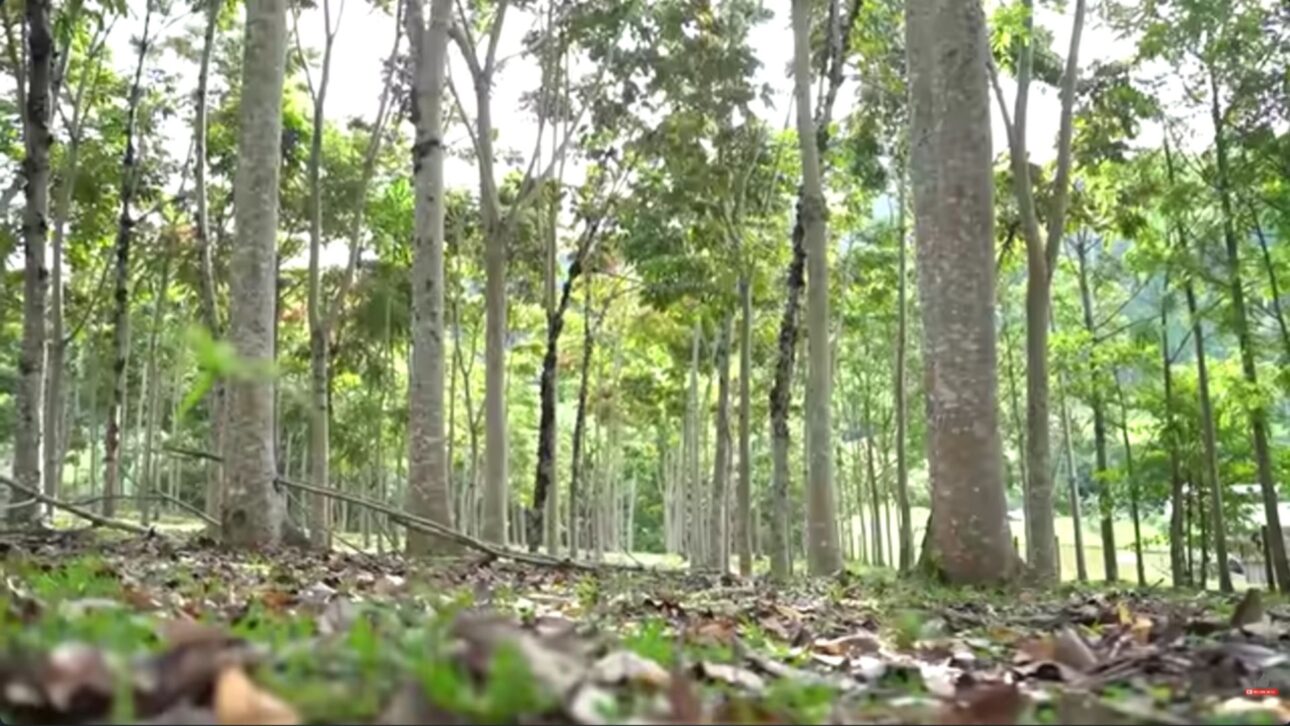
According to Vale Agrícola, Mr. Luís, a retired electrician, and his son Daniel, an electrical engineer, were looking for an area and ended up buying an old, semi-abandoned tobacco farm.
-
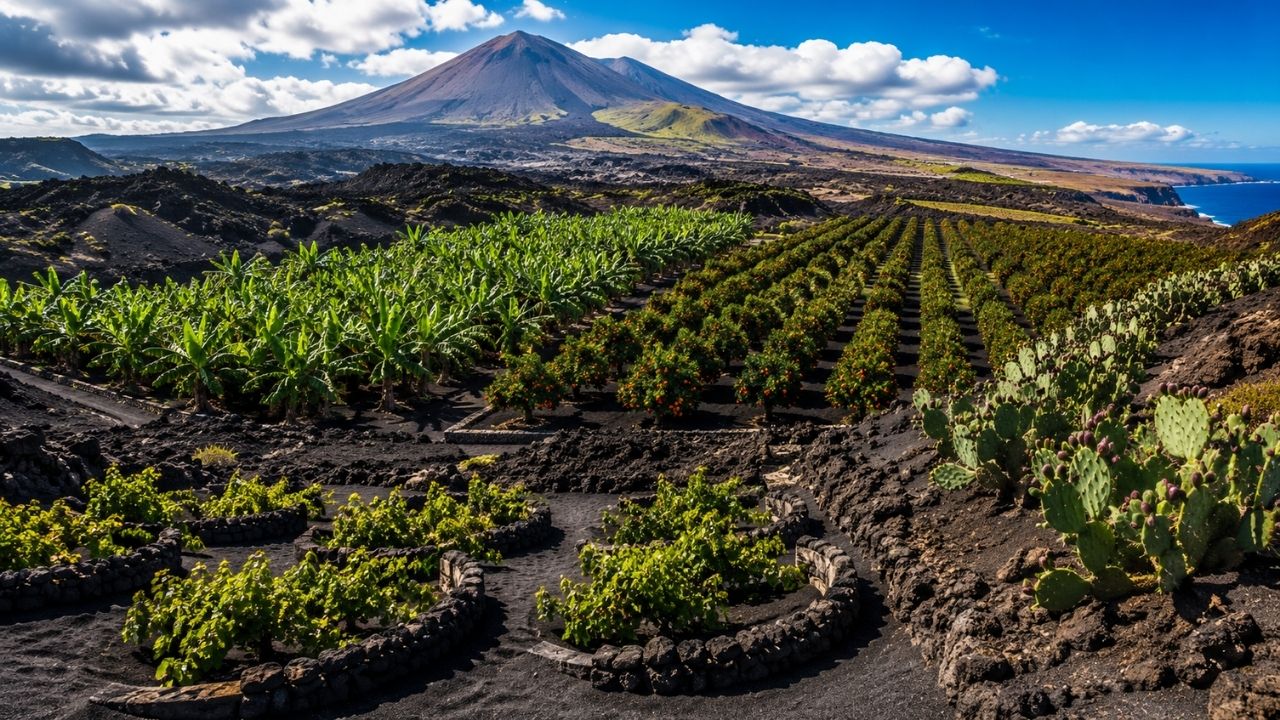
Volcanic Soils from Destructive Eruptions Turn into Million-Dollar Crops: Ashes Nourish Grapes in Lanzarote, Bananas in the Canary Islands, Blood Oranges on Mount Etna, and Cacti in Mexico, Showcasing How Lava-Formed Lands Sustain Rare Harvests in Seemingly Barren Regions

-
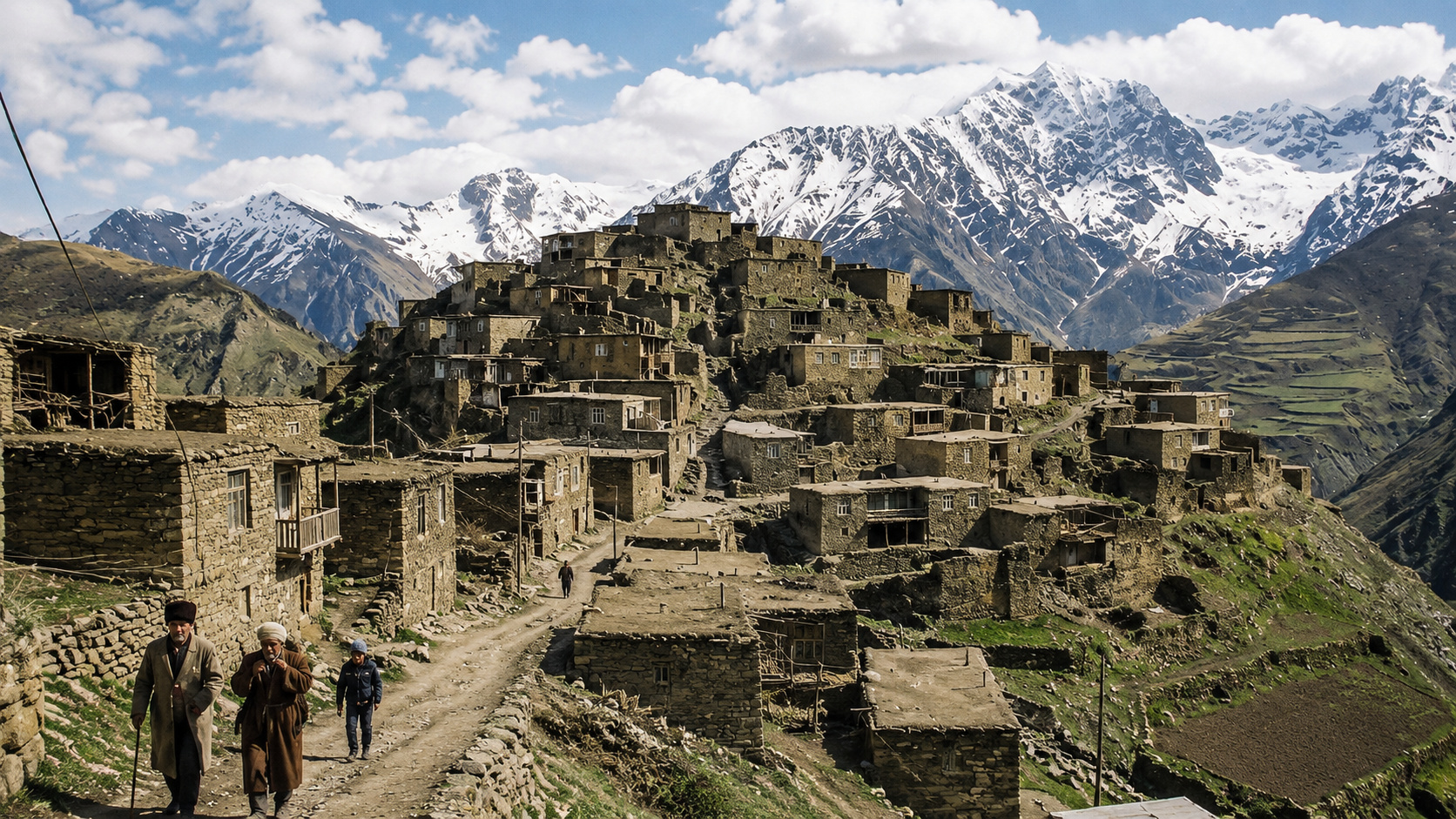
In the Caucasus Mountains, a Community Preserves a Language So Rare Few Outsiders Can Understand It

-
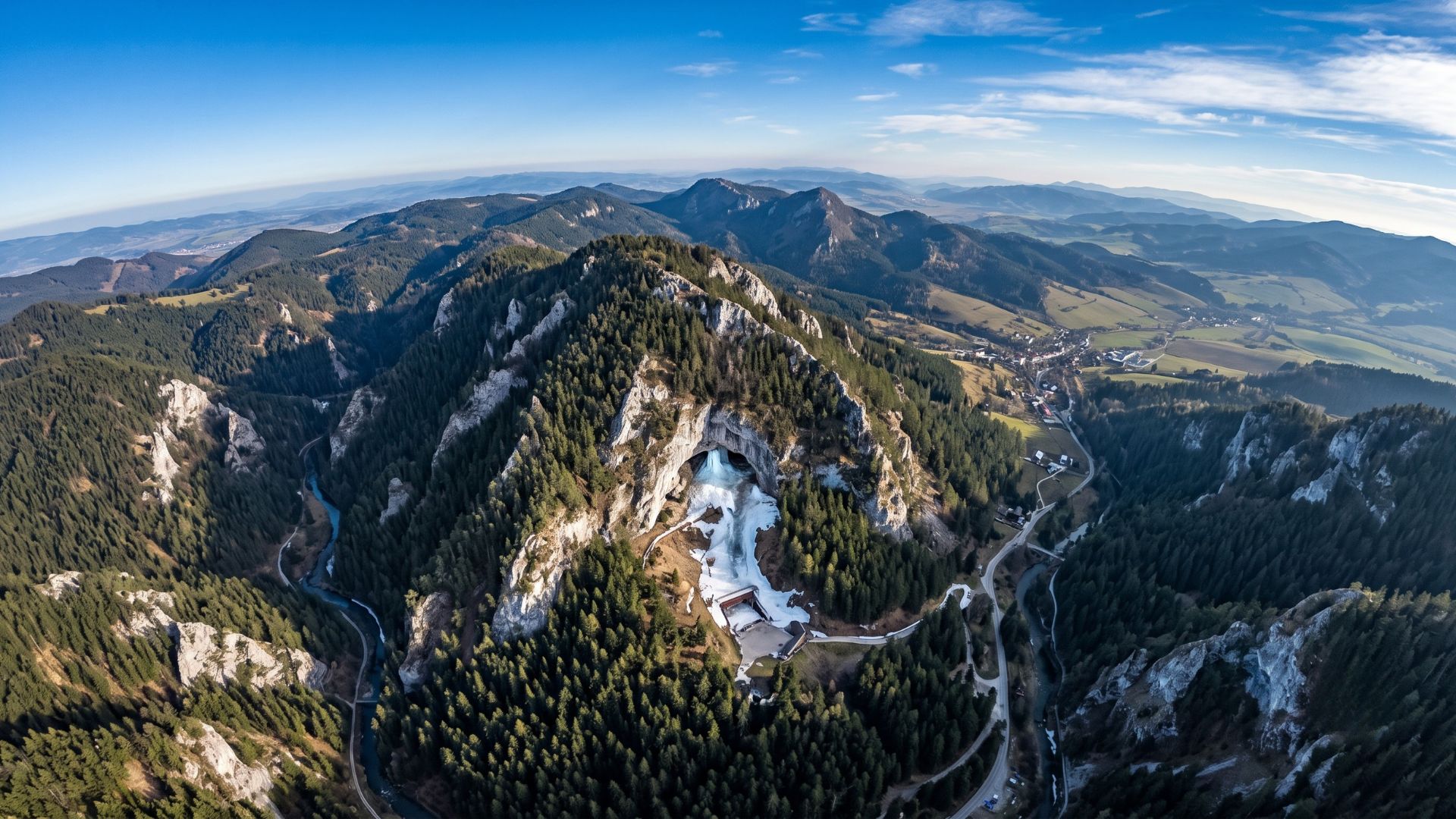
Slovakia’s Ice Cave Holds Over 110,000 m³ of Frozen Wonders, Boasts Walls Up to 27 Meters Thick, and Was Among the First Electrified Caves Globally

-
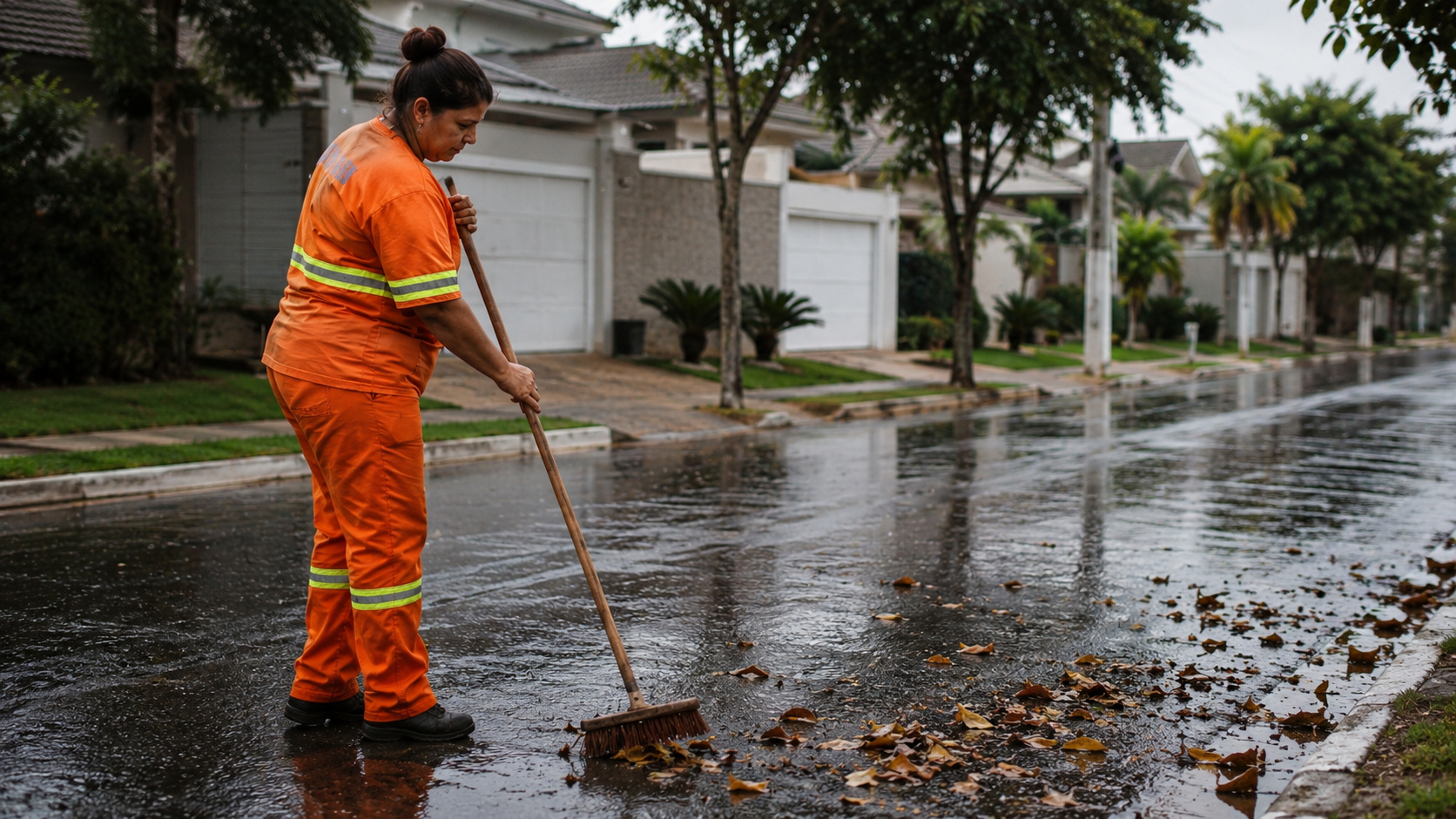
Street Cleaner Accidentally Receives $200,000 Transfer, Returns Unexpected Fortune to Rightful Owner
The land was so depleted that almost nothing would grow there, and the affordable price weighed in the couple’s choice of owners.
The choice of species, however, was unconventional.
In 2009, instead of eucalyptus and pine, common in the region, father and son researched an alternative that would consume less water and have better value in the future.
They arrived at African mahogany, a large exotic tree with strong roots and valued wood.
The main objective, according to them, was not to make money, but to make that land have water again.
The professor who discouraged and the challenges of planting
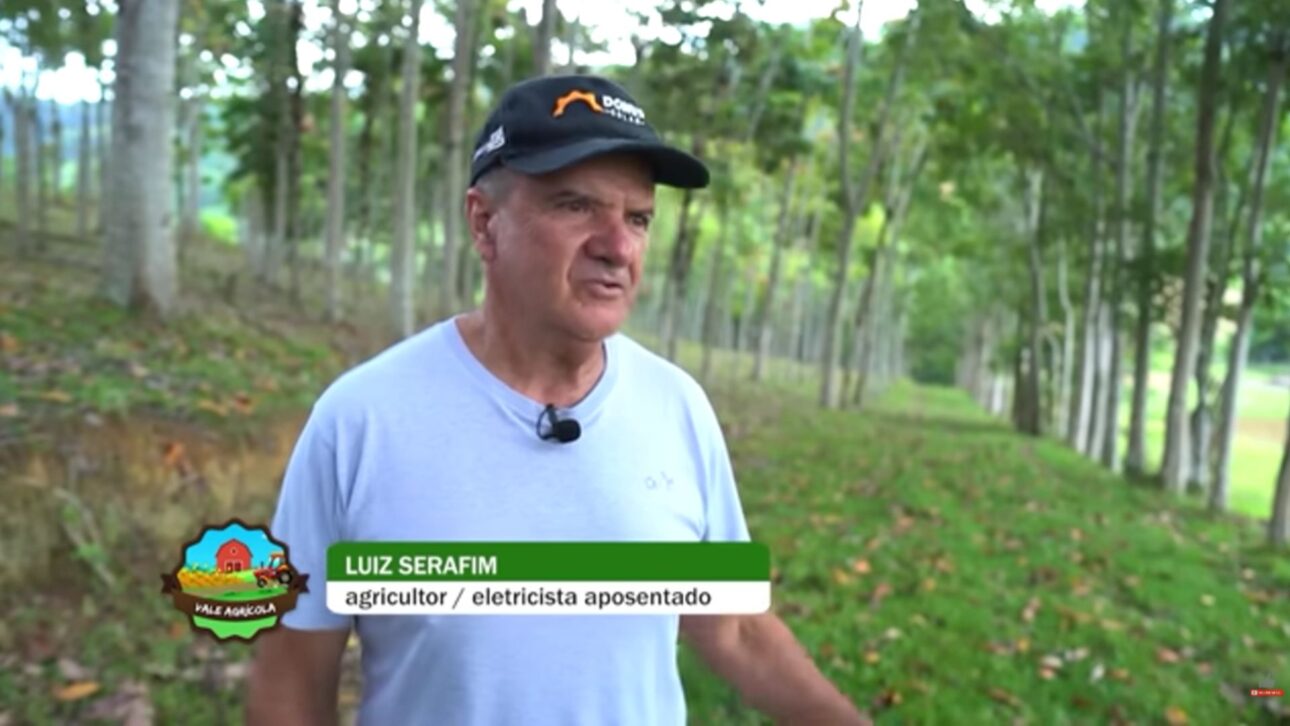
Daniel, who was studying at the university, asked a professor about the species and heard that there was no material on the subject and that he did not advise planting African mahogany there. It was the father’s insistence that unlocked the project.
The first seedlings, about 20 centimeters tall, cost 5 reais each and came from Goiânia, but spent a week and a half on the road and arrived quite damaged.
Before the definitive planting, the family conducted a test in Rio do Sul.
Nature also exacted its price over the years.
According to the account, ants preyed on the leaves and killed many specimens, and there were also frosts and periods of drought.
African mahogany requires plenty of water and heat and does not survive in arid places, which makes the Santa Catarina winter a limiting factor.
Without the cold, say father and son, the trees would be even more developed today.
A forest of trunks up to 50 cm fifteen years later
Fifteen years after planting, the result achieved by father and son surprises those who heard it wouldn’t work.
On the one and a half hectare property, 660 mahoganies were planted, which are now about fifteen years old.
According to the report, some of the trees exceed 16 meters in height, with trunks reaching 40 to 50 centimeters in diameter at chest height, and are notable for having few branches until near the top.
The manual labor was mostly done by the father, who dug holes of 40 by 40 by 40 centimeters and fertilized the soil in advance.
The problems, the family assures, were few.
The only disease observed is a canker, which slightly hinders the development of some trees but does not compromise the wood inside.
So far, few have been felled, generally those that fell with the wind or were in poor condition.
The wood of the African mahogany hardly cracks and is easy to work with, good for furniture, and the pruned branches became firewood.
The son admits that he does not have the courage to cut down a large tree and says that if he lived another hundred years, he would leave everything standing.
Six Springs and a Savings for the Future


The greatest reward, however, is not in the wood.
According to the family, the land had no water when they arrived and today it has about six springs, something that did not exist before the forest.
Besides mahogany, father and son also planted Australian cedar and guanandi, using part of the wood for personal use furniture, with a clear finish and no cracks.
They treat the forest as a kind of savings for the future, but they make a point of saying that the conversation is not just about money.
The commercial value of the trees exists as a possibility, in case they ever need it, and not as income already realized, since there has been practically no cutting.
What weighs in the story is looking at the recovered property and thinking about what remains for children and grandchildren, for those who come after.
The journey of this father and son in Lontras shows that recovering depleted land is possible, with patience and willingness to defy even a technical diagnosis.
What was a tired tobacco crop turned, in fifteen years, into a forest of tall mahoganies and six water springs, combining an environmental goal with a reserve of value for the future.
It is worth remembering that this is an exotic species and a project still without commercial harvest, but the result already visible on the land speaks for itself.
And you, would you plant a forest on land considered lost, even without a guarantee of return? Do you think stories like this can inspire more people in the countryside to recover degraded areas? Leave your opinion in the comments, respecting different views on the environment and production, and share this article with those who love trees and nature.