Portuguese
  Spanish


A startup from France plans to launch a constellation of 3,400 satellites in low orbit at just 375 km altitude, below Starlink, to deliver 5G connection directly to common mobile phones without the need for a special antenna. The company has just raised 27 million euros in a funding round and aims to challenge American giants SpaceX and Amazon in the satellite internet market.
A French startup has just entered the global race for satellite internet with a proposal that differentiates itself from Starlink and Amazon on a fundamental point: sending 5G signal directly to the mobile phone the user already has in their pocket, without requiring any additional equipment. The company plans to position 3,400 satellites at just 375 km altitude, a lower orbit than that used by Elon Musk’s constellation, and has just raised 27 million euros to finance the first stages of the project. Proximity to Earth is the technical key that allows direct connection with conventional smartphones.
The business model addresses a limitation that all major constellations have faced so far. Starlink, with over 6,000 satellites in operation, requires the user to purchase and install a receiving antenna to connect. Amazon, with the Kuiper project, follows the same logic. The French startup wants to eliminate this barrier by operating at such a low altitude that the signal arrives with enough power to be picked up directly by the mobile phone, transforming any 5G-compatible smartphone into a satellite internet terminal without additional accessories.
Why 375 km altitude makes such a difference for the connection
According to information released by the portal Minha Operadora, orbit altitude is the factor that determines the quality and viability of a direct connection with the mobile phone. The closer the satellite is to Earth, the lower the latency and the greater the signal strength that reaches the ground, reducing the need for sophisticated equipment to capture the transmission. Starlink operates at about 550 km altitude, and the 175 km difference may seem small in absolute terms, but it is significant in terms of telecommunications engineering.
-
Australian Megafactory Austal Constructs 380-Foot, $74 Million High-Speed Ferry for Canary Islands Capable of Carrying 1,100 Passengers and 278 Cars at 38 Knots

-
Scientists Develop Battery Using Mineral Found in Bones and Chalk, Surviving 1,000 Charges While Retaining 75% Capacity, Paving the Way for a Lithium-Free Future

-
Super-Earth Twice the Size of Our Planet Discovered Nearby, Offering Clues About Life Beyond the Solar System
-
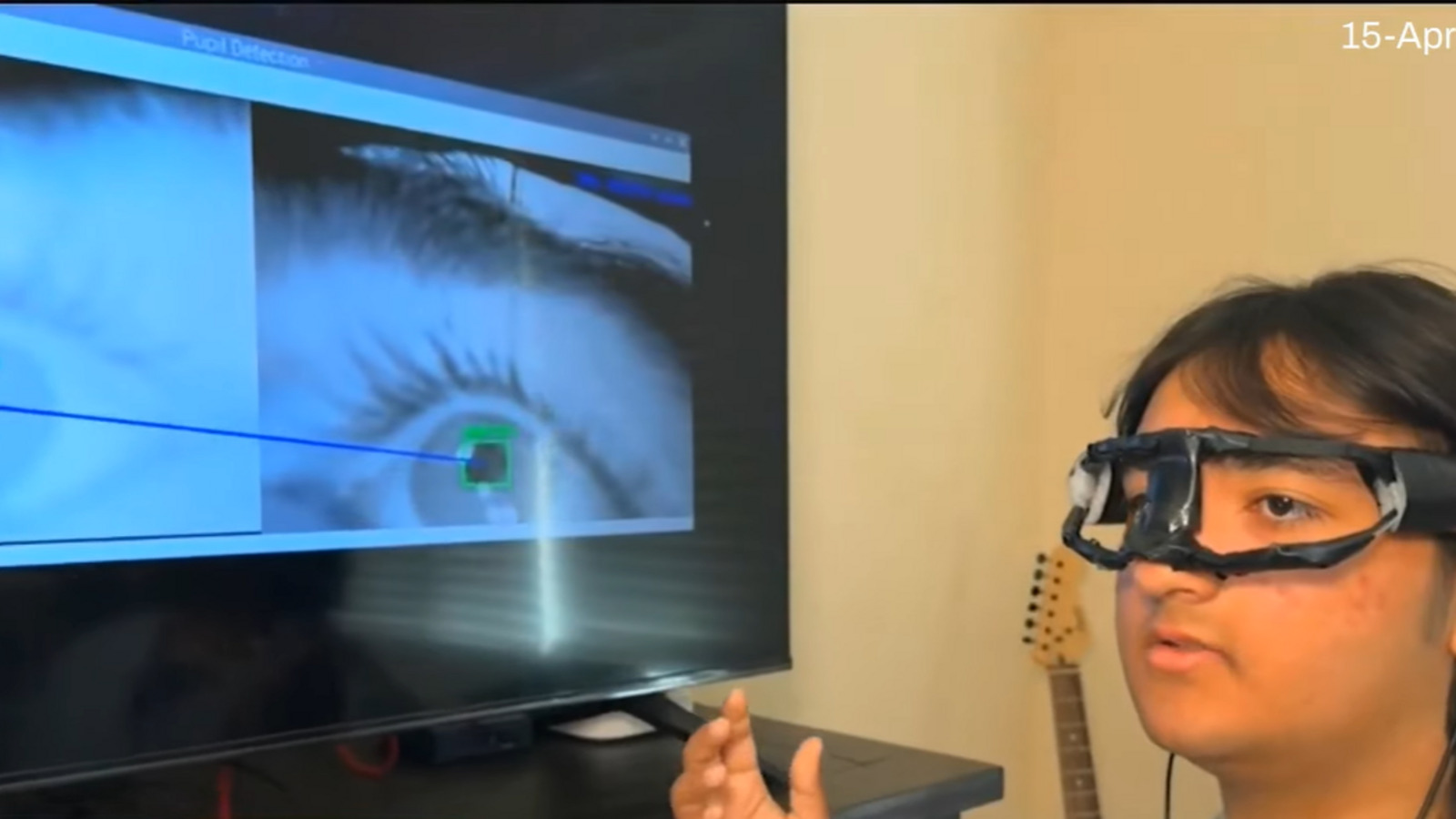
Teen Invents Promising AI Device to Detect Eye Misalignment Using 3D-Printed Visor and Small Cameras for $300




At 375 km, the French startup’s satellites can deliver 5G signal with power compatible with the sensitivity of a conventional smartphone. This proximity also reduces latency, the interval between sending and receiving data, to levels comparable to terrestrial networks, something that constellations in higher orbits cannot match with the same consistency. The downside is that satellites in lower orbit travel through the atmosphere more quickly and need to be replaced more frequently, which increases long-term operational costs.
What 5G internet directly to your phone without a special antenna means
The proposal to eliminate the receiving antenna is the startup’s most relevant competitive differentiator. Starlink charges for the reception equipment, which costs hundreds of dollars, and requires installation in a location with an unobstructed view of the sky, which limits use in dense urban areas and mobile situations. With 5G internet direct to the mobile phone, the user accesses the satellite network in the same way they connect to a cell tower: automatically, without configuration and without additional hardware.
For remote regions without terrestrial operator coverage, the difference is transformative. Rural communities, vessels at sea, disaster areas, and conflict zones would have internet access through the same mobile phone they already use, without depending on delivery logistics and antenna installation. The model also interests telecommunications operators looking to expand coverage without the cost of building towers in low-population density areas.
The 27 million euros and the path to the first satellites in orbit
The 27 million euro funding round is the first step of a project that will require much larger investments to materialize. Putting 3,400 satellites into low orbit demands launch capacity, scaled manufacturing, and control infrastructure that still need to be developed or contracted. The French startup plans to use the initial funds to build prototypes, conduct communication tests, and demonstrate the system’s technical viability before seeking larger rounds.
The satellite internet market moves billions of dollars and attracts investors who see growth potential in connecting the approximately 3 billion people who still lack network access. SpaceX has already invested over US$10 billion in Starlink, and Amazon has committed US$10 billion to Kuiper, which illustrates the level of capital required to compete in this market. The startup’s advantage lies in targeting a niche that the giants haven’t yet solved: direct connection to mobile phones without intermediaries.
The technical and regulatory challenges the startup needs to overcome
Operating 3,400 satellites at 375 km altitude presents challenges beyond funding. Low orbit requires frequent equipment replacement because atmospheric drag reduces satellite lifespan, and orbital traffic management becomes more complex as the number of objects in this range increases. Coordination with international spectrum and frequency regulators is another obstacle, as the company needs to ensure its signals do not interfere with terrestrial 5G networks and other constellations.
On the regulatory side, each country where the startup intends to offer service will need to grant an operating license. Starlink has faced and continues to face resistance in various markets, and a smaller company will have even less negotiating power with governments that protect national operators. Europe, however, has shown interest in developing its own alternatives to American dominance in the space sector, which could ease the regulatory path for a French startup offering technological sovereignty to the continent.
What this startup represents for the future of satellite internet
The entry of a European competitor into the satellite internet market with a direct-to-mobile phone connection proposal signals that the sector is moving into a new phase. The first generation of constellations like Starlink solved the problem of global coverage but created a reliance on antennas that limits mass adoption. The next generation, which the French startup aims to be part of, promises to eliminate this barrier and make satellite internet as accessible as a conventional cellular network.
If the project works, the most immediate consequence is to pressure Starlink and Amazon to accelerate their own plans for direct-to-smartphone connection. SpaceX is already testing partnerships with T-Mobile to offer satellite coverage on mobile phones, but has not yet achieved the 5G speed that the French startup proposes. The low-orbit satellite market is just beginning to show its potential, and the dispute between Europeans and Americans could benefit the end consumer with more options, lower prices, and truly global coverage.
Would you switch your mobile carrier for 5G satellite internet that works anywhere on the planet, or do you think the technology is still far from practical application? Tell us in the comments if you believe a French startup can compete with Starlink and what would make a difference for you to change internet providers.