Portuguese
  Spanish


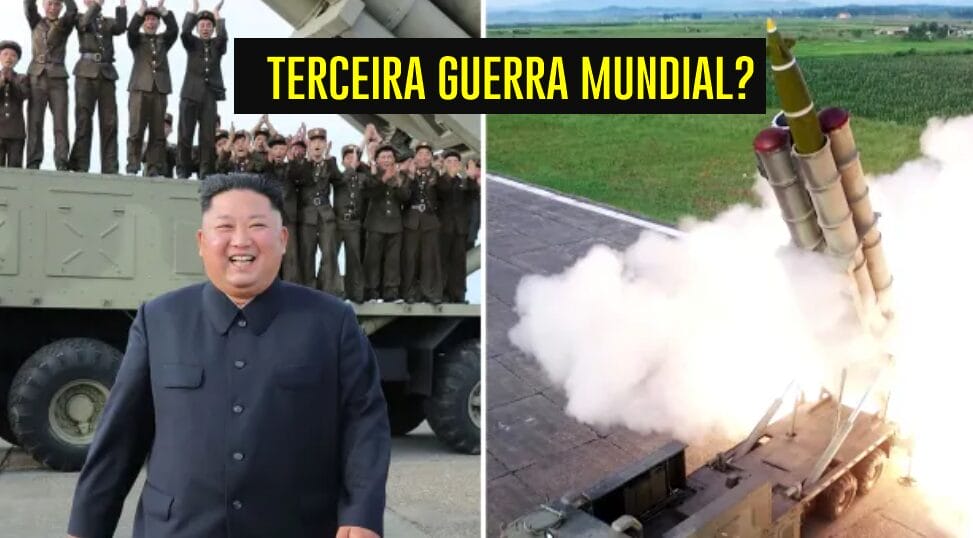

The Crisis In Ukraine Threatens To Escalate Into A Third World War, With Global Alliances About To Confront Directly. See How This Situation Can Affect The Geopolitical Future And Global Security!
At some point between October 8 and 13, seven Russian ships departed from North Korea heading to Vladivostok, transporting approximately 1,500 North Korean special forces soldiers. This movement indicates the first official sending of North Korean troops to support Russia in the war in Ukraine, marking a new point of tension in the conflict. Could this be the beginning of a Third World War?
Furthermore, this initial troop could be just a fraction of the contingent that is to come, estimated at 11,000 soldiers sent by Pyongyang.
The involvement of North Korea raises questions about the developments of a war that exceeds the territorial limits of Ukraine and begins to attract other nations to the battlefield, especially alongside Russia’s traditional allies, such as Iran and China.
-
European Parliament Approves Digital Euro, Aiming to Challenge Visa and Mastercard’s Dominance and Transform Payments Across Europe by 2029

-
Israel finds Hezbollah militarized tunnel over 200 meters long under village, with 4 missile launch shafts, 12 chambers, anti-tank missiles, drones, and weapons depots at a depth of 25 meters.

-
Ukraine launches largest drone attack on Moscow since 2022, Russia claims to have intercepted nearly 200 aircraft near the capital, Kapotnya refinery targeted again, and offensive reignites alert about war reaching the Russian energy heart just a few kilometers from the Kremlin.

-
Truck drivers, freight, and fines from 2022 take center stage in politics: Chamber approves MP with amnesty, mandatory tracking by CIOT, million-dollar penalties, and new minimum wage for those who spend more than 24 hours on the road.

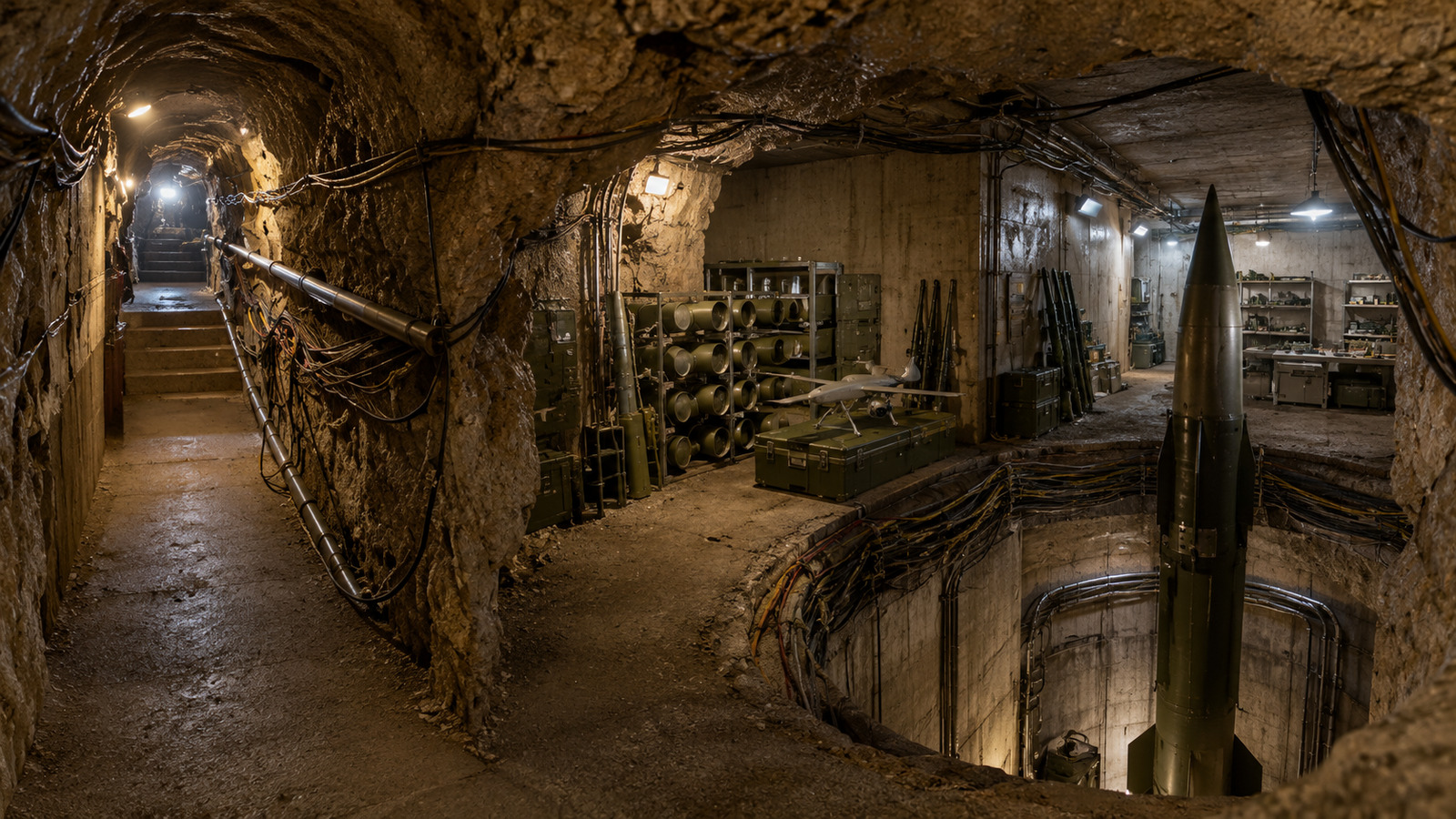


The entry of foreign troops, even if not directly on the front lines, represents a significant escalation, with the potential to transform the conflict into a Third World War.
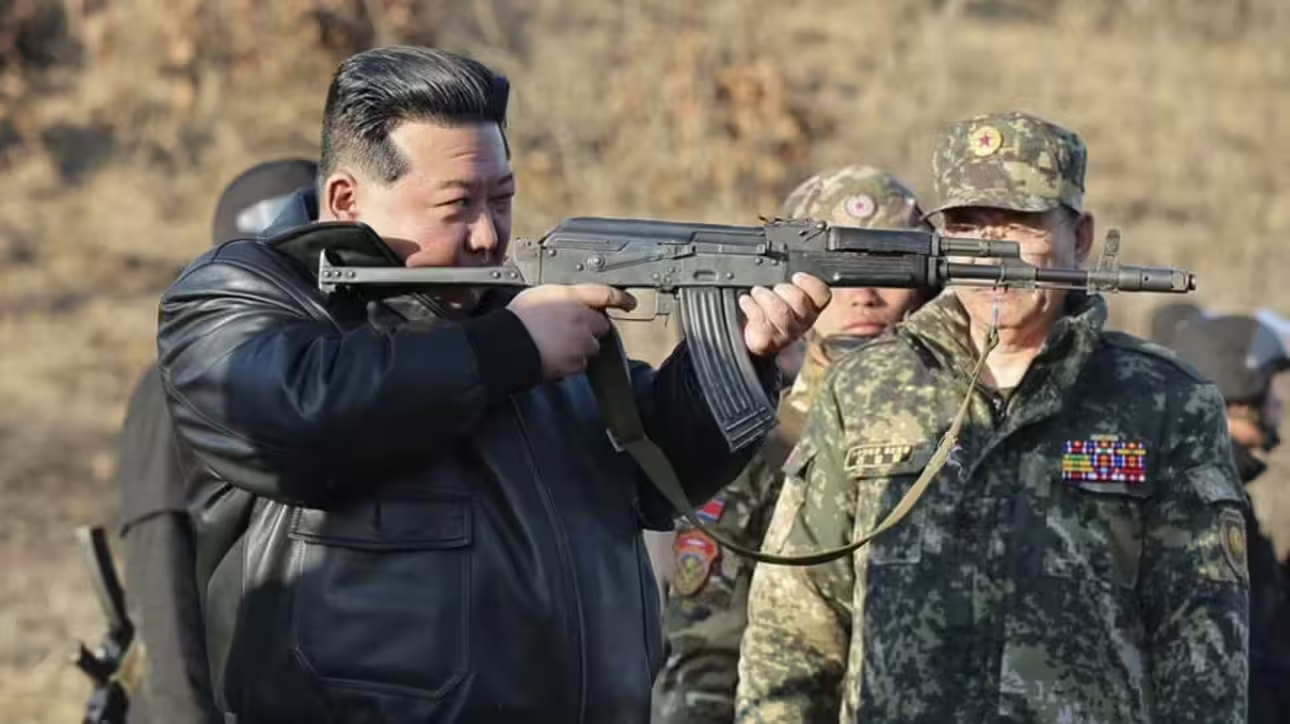
Reasons For Sending North Korean Troops To The War In Ukraine
North Korea has proven to be a crucial ally for Russia, providing essential equipment such as artillery munitions, KN-23 ballistic missiles, and anti-tank missile vehicles. These materials have been crucial for Russia to maintain its combat capability in a war in Ukraine that has lasted nearly three years.
The decision to send troops, however, marks a new phase of involvement. In addition to logistical support, the presence of North Korean soldiers reveals an open willingness from Pyongyang to assist Moscow. This support helps alleviate one of Russia’s biggest challenges at the moment: the lack of military manpower.
With significant losses on the front lines, Russia faces the difficult task of replacing its casualties, which amount to over a thousand soldiers dead or wounded per day. The Kremlin has so far managed to recruit around 30,000 new soldiers per month, but this number is still insufficient to replenish the losses. In this scenario, North Korea becomes a vital source for the maintenance of Russian forces in the war in Ukraine.
Impact On The Battlefield
These North Korean troops will not fight directly on the front lines, but will play a supporting role that will allow Russian soldiers to engage in direct combat. This maneuver, which could be expanded to include 11,000 North Korean soldiers, will enable Russian soldiers to focus on combat actions without the need for new recruitment.
However, the additional number of troops still represents a temporary solution for Russia. Considering the daily casualties, these support troops would provide short-term relief, indicating that the Kremlin may be seeking more military support, either from North Korea or other nations.
Global Repercussions And The International Response
The North Korean presence brings geopolitical impacts to the Korean peninsula. South Korea, which until now has kept its support for Ukraine limited to humanitarian aid and arms sales to the United States, is under pressure to intensify its involvement. In an emergency meeting of the National Security Council, South Korean officials classified North Korea’s support for Russia as a direct threat, suggesting that Seoul may increase its support for Ukraine.
This possible South Korean support could change the course of the war in Ukraine. South Korea is recognized for its high-quality tank and artillery system production, which would substantially benefit Ukrainian resistance. However, full support is hindered by the cautious stance of NATO allies, whose efforts to provide comprehensive support to Ukraine have been timid.
The Role Of NATO And The Challenges For Ukraine
Western allies, essential in the Ukrainian defense, face logistical and internal difficulties. Ukraine recently expanded its ground forces with 14 new brigades, representing a 10% increase in combat capacity. However, the slowdown in foreign military assistance compromises the equipping of these troops, as mentioned by Ukrainian President Volodymyr Zelensky.
This lack of comprehensive support raises questions about Ukraine’s ability to withstand a conflict that is globalizing. The involvement of South Korea, with its advanced arsenal, could fill some of these gaps. However, relying solely on Seoul suggests a scenario in which NATO hesitates to keep up with the escalation of the war in Ukraine at the same intensity.
Is The Third World War Approaching?
The increasing involvement of Russian allies, such as North Korea, causes the war in Ukraine to cease being just a regional conflict. The presence of North Korean troops, even in a supporting role, demonstrates Pyongyang’s public commitment to the Russian strategy, which pressures other nations to take a firm stance.
As the participation of different countries advances, the prospect of a Third World War becomes more real. The entry of external forces raises the level of tension and poses the question: how far is the international community willing to allow the conflict to expand? In a scenario where NATO support is uncertain and Ukraine faces limitations, the risk of an escalation into a global conflict seems more imminent.