






 Portuguese
  Spanish
  4 min of reading
  1 comment


Analysts Discuss Whether The War In Ukraine Could End In 2025, Assessing Geopolitical And Strategic Factors That May Influence The Outcome Of The Conflict.
The war in Ukraine, which in February 2025 will mark four years since the start of the large-scale invasion led by Russia, remains one of the most devastating and complex conflicts in the contemporary world.
With destroyed cities, thousands of lives lost, and a deep impact on global security, the possibility of an end to the confrontation next year has been a subject of intense debate among analysts and political leaders. See all details of the War in Ukraine.
What’s New
The year 2025 will start with an important element of uncertainty: the election of Donald Trump as President of the United States.
-
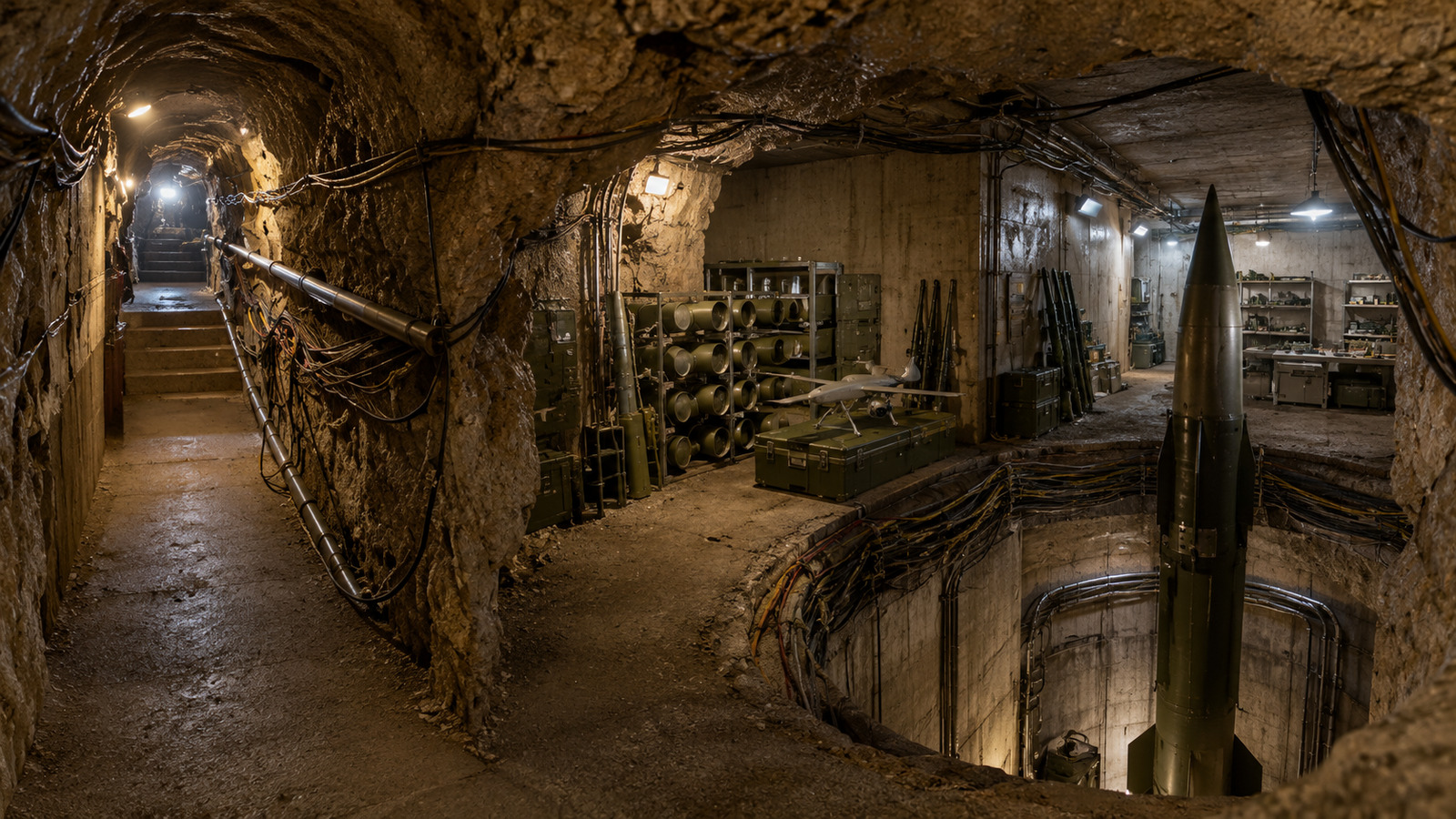
Israel finds Hezbollah militarized tunnel over 200 meters long under village, with 4 missile launch shafts, 12 chambers, anti-tank missiles, drones, and weapons depots at a depth of 25 meters.

-
Ukraine launches largest drone attack on Moscow since 2022, Russia claims to have intercepted nearly 200 aircraft near the capital, Kapotnya refinery targeted again, and offensive reignites alert about war reaching the Russian energy heart just a few kilometers from the Kremlin.

-
Truck drivers, freight, and fines from 2022 take center stage in politics: Chamber approves MP with amnesty, mandatory tracking by CIOT, million-dollar penalties, and new minimum wage for those who spend more than 24 hours on the road.

-
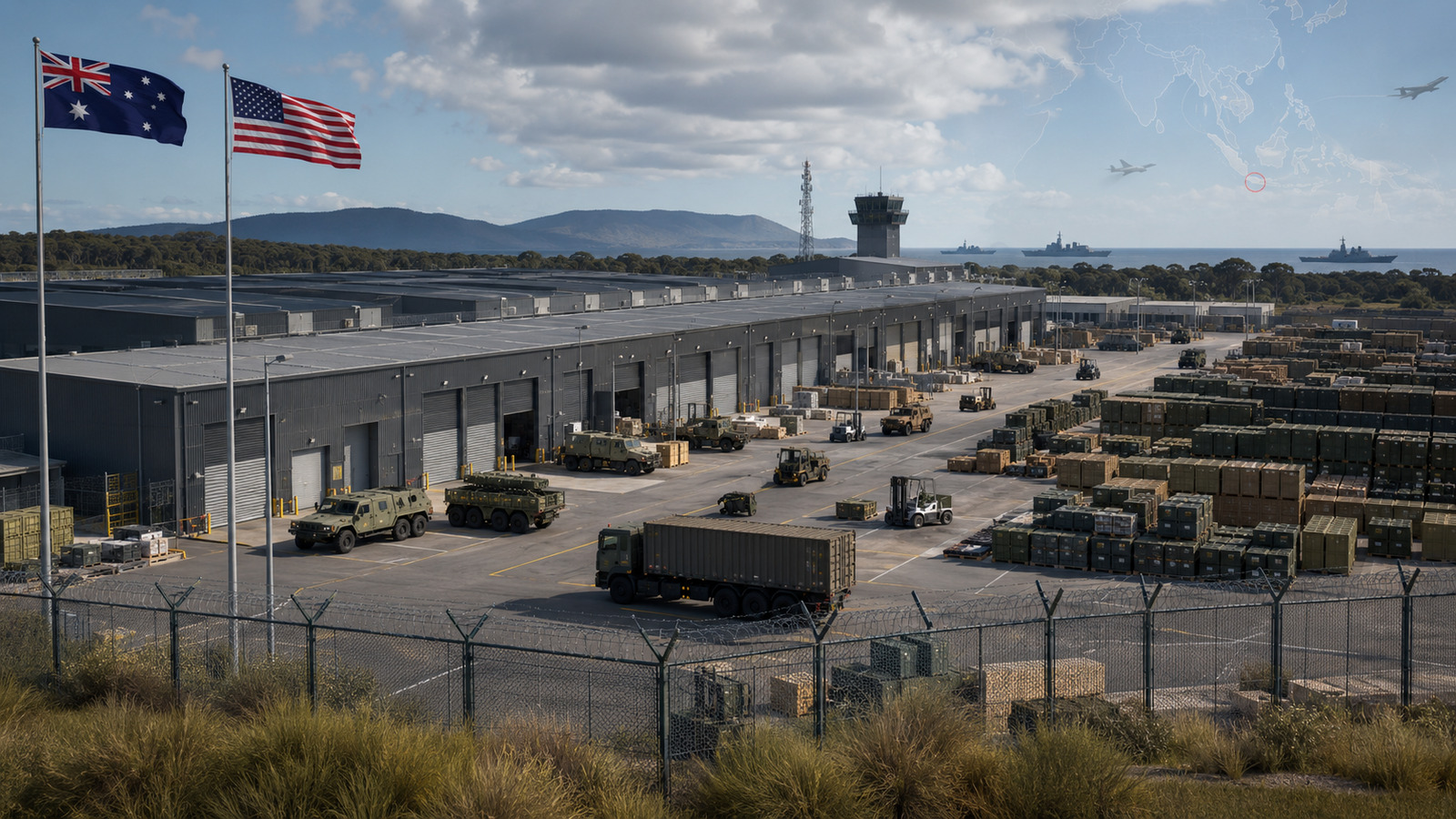
China off the radar: US plans mega $30 million weapons depot in Australia, out of reach of most Chinese missiles, with full capacity expected by 2028


Trump’s return to the White House, scheduled for January 20, raises expectations about the fulfillment of his promise to negotiate an end to the war between Ukraine and Russia.
Experts believe that Trump’s plan to mediate an agreement between Kiev and Moscow could bring new directions to the conflict.
The Russian Defense Minister, Andrei Belousov, recently announced that the four Ukrainian regions annexed by Moscow – Kherson, Zaporizhzhia, Luhansk, and Donetsk – would be completely under Russian control by the end of 2025.
Meanwhile, Ukrainian President Volodymyr Zelensky emphasizes that the country’s Constitution does not allow for the cessation of territories, rejecting any idea of freezing the conflict.
Why This Matters
The situation in Eastern Europe is critical. Russian advances in the Donetsk region and Ukrainian difficulties in maintaining positions captured in the Kursk region create a scenario of wear and instability.
Attrition warfare tactics adopted by Russia continue to erode Ukrainian defenses, while Western allies face dilemmas about the continuity of military and financial support to Kiev.
Cedomir Nestorovic, co-academic director of the Center for Geopolitics and Business at ESSEC, believes that 2025 will be a decisive year. According to him, “Russian attrition tactics ensure small daily advances, putting pressure on Ukraine to negotiate before it’s too late.”
U.S. support for Ukraine is also a key piece in this puzzle, and possible changes in foreign policy under Trump add complexity to the scenario.
What To Know
Volodymyr Zelensky recently stated to the French newspaper Le Parisien that the United States will not have full access to Ukraine’s military and diplomatic intelligence until Trump takes office.
This creates a strategic gap for the new American government, whose transition team has been working on a plan that includes strict conditions for the continuation of aid to Ukraine.
Keith Kellogg, appointed by Trump as envoy to Ukraine and Russia, co-authored an article suggesting that American aid to Kiev should be frozen until there are direct negotiations with Moscow.
This freeze, however, would be accompanied by measures to prevent Russian advances, maintaining limited assistance through NATO, without formal membership of Ukraine in the alliance.
Divergent Opinions On The War In Ukraine
While some analysts see Trump’s actions as an opportunity to end the conflict, others fear that his reluctance to maintain the U.S. role as the main military supplier could weaken Kiev.
Aurélien Colson, a political science professor at ESSEC Business School, suggests that Trump’s “peace through strength” approach could lead to an armed ceasefire.
“Putin, out of fear of new military means supplied to Ukraine, and Zelensky, to avoid a halt in U.S. support, could be brought to the negotiating table,” explains Colson.
On the other hand, Edgar Bellow, a professor of International Management and Geopolitics at NEOMA Business School, believes that the most likely scenario is a frozen conflict. According to him, this would involve “unresolved territorial disputes and periodic escalations,” maintaining a situation of instability in the region.
What People Are Saying
Global leaders and analysts have expressed contrasting opinions on the future of the conflict:
- Vladimir Putin: “We are ready for negotiations and compromises,” declared the Russian president on December 19, during his annual Q&A session.
- Volodymyr Zelensky: “Trump knows my desire not to rush things at Ukraine’s expense,” said the Ukrainian president in an interview with Le Parisien.
- Donald Trump: “We are trying to end the war,” said the elected president of the U.S. in a press conference.
- Cedomir Nestorovic: “The loss of territory for Ukraine does not mean a permanent loss. Many formulas can be invented to meet both sides’ needs.”
- Yuriy Boyechko: “Everyone wants peace, we want peace more than anyone, but I don’t believe that active fighting will end anytime soon,” said the CEO and founder of the charity Hope for Ukraine.
What Comes Next
Trump’s arrival in power in January 2025 will be a crucial moment for the direction of the conflict. Although the elected president has promised to prioritize negotiations, Vladimir Putin’s intentions and Zelensky’s resistance to cede territories suggest that an agreement will not be easily reached.
Putin, for his part, continues to direct massive resources to the war. The Russian budget for 2025 allocates 40% (approximately US$ 142 billion) to defense and national security, highlighting his willingness to prolong the conflict.
“He is used to living under sanctions, and his political survival depends on the war,” said Yuriy Boyechko.
The immediate future seems to bring more questions than answers. Any outcome in 2025 will depend on a complex combination of factors, including international pressure, Ukrainian resistance, and the unpredictable dynamics of global politics under the Trump administration.
However, one thing is certain: the world will continue to closely watch every move in an attempt to resolve one of the most challenging conflicts of our time.





Gostei da matéria, esclarece dúvidas sobre o conflito e o interesse dos países.