Portuguese
  Spanish


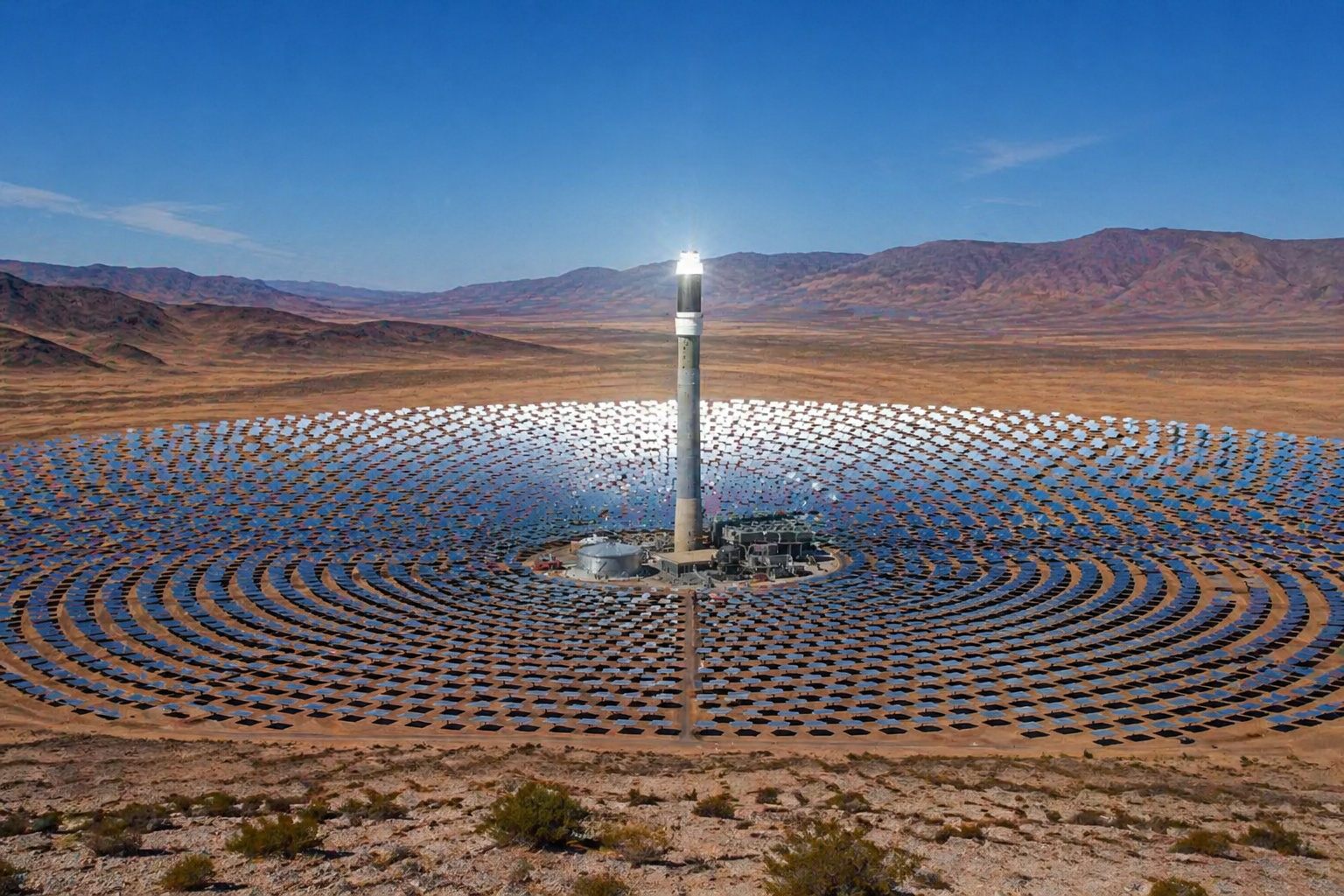

Solar energy is gaining more and more prominence as an alternative to fossil fuels. In this scenario, Morocco positions itself as one of the main examples of energy transformation.
The country is heavily investing in large-scale projects in the desert. As a result, it takes advantage of the high solar incidence throughout the year. Thus, solar energy assumes a strategic role in economic and environmental development.
According to international institutions, Morocco intends to significantly increase the share of renewable sources by 2030.
-
Giant Batteries Take Center Stage in Chile Auction as Company Offers 960 GWh of Solar Energy for Nighttime Use, Aiming to Stabilize Solar Power Supply

-
World’s Largest Engie Solar Plant in Brazil Highlights Billion-Dollar Energy Waste Issue: Company Considers Batteries and Bitcoin Mining to Avoid Wasting Production

-
Over 60 Tractors Take to the Streets in Lopera as Solar Parks Compete with Olive Groves, Affecting 13,000 to 100,000 Trees According to Conflicting Reports
-
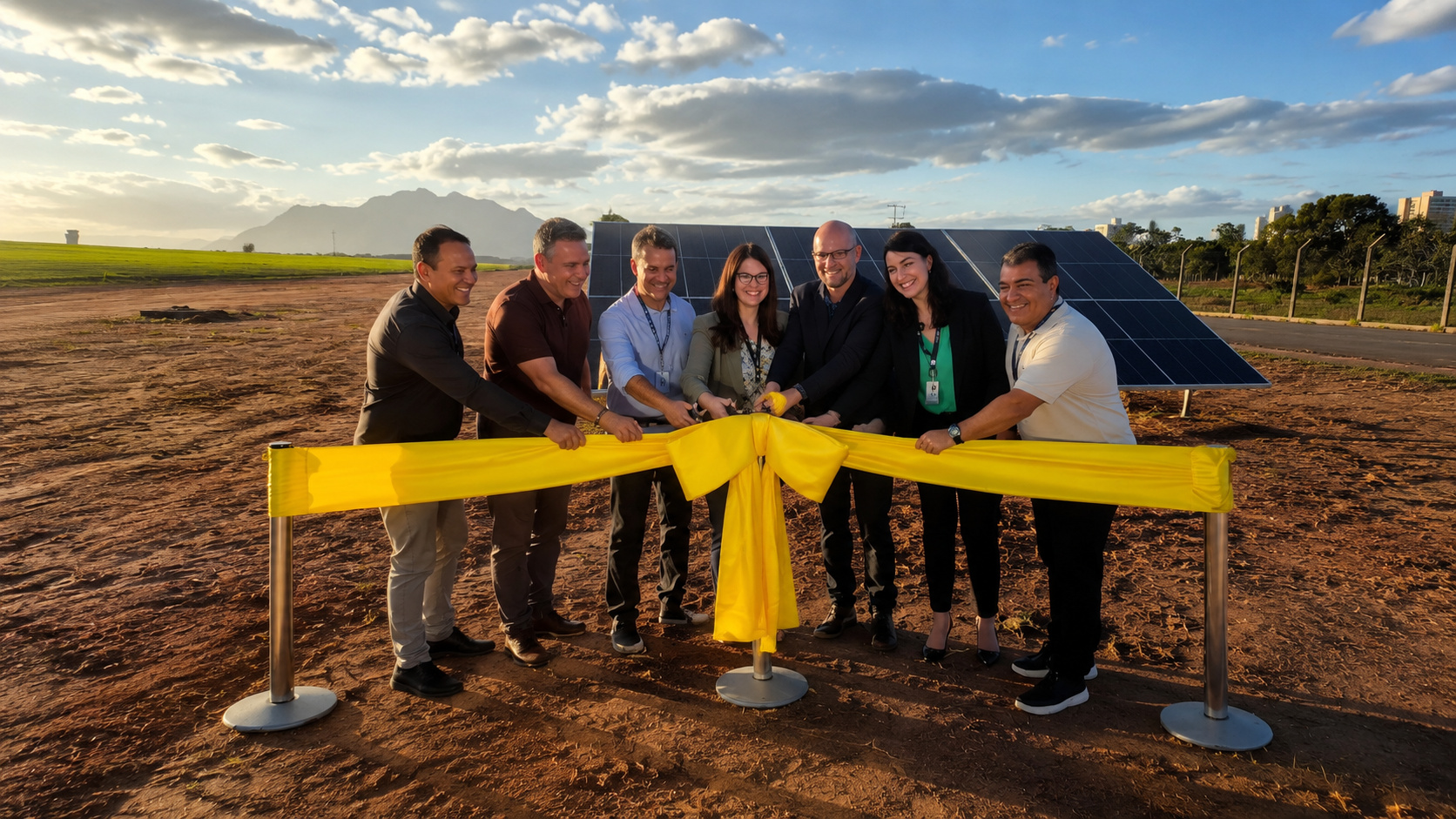
Brazil’s Vitória Airport to Launch Solar Plant Covering Area of 10 Soccer Fields, Boosting Clean Energy and Cutting Costs


The Noor complex and the expansion of solar energy
The Noor complex, located near Ouarzazate, represents one of the largest advances in solar energy in the world. The project occupies a vast desert area and stands out for its scale and innovation.
The project leaders divided the plant into several phases. In addition, they used different technologies, such as concentrated solar power and photovoltaic systems.
With this structure, the complex generates enough energy to supply millions of people. Thus, solar energy demonstrates its potential on a large scale, even in regions previously considered unproductive.
At the same time, the project helps reduce carbon emissions and decrease the country’s external energy dependence.
Environmental benefits of solar energy
Solar energy offers clear environmental advantages. First of all, it is a clean and renewable source. This means that its generation does not release greenhouse gases.
Moreover, the use of solar energy reduces air pollution. Consequently, it improves the quality of life for the population.
In Morocco, the advancement of solar energy strengthens strategies to combat climate change. At the same time, the country consolidates its position as a reference in renewable energy in North Africa.
Economic challenges of large-scale solar energy
Despite the advances, solar energy still faces significant challenges. The high initial cost of projects is one of the main obstacles.
The Noor complex required billion-dollar investments and international support. Additionally, its maintenance demands advanced technology and qualified professionals.
Therefore, many countries find it difficult to implement similar projects without external funding.
Another relevant point involves financial return. In many cases, investments take years to yield results. Therefore, success depends on long-term strategic planning.

Water use and indirect environmental impacts
Although solar energy is considered clean, some indirect impacts arise. In the case of the Noor complex, the system uses water for cooling and cleaning equipment.
This factor becomes critical in arid regions. In these areas, water is a scarce resource.
Thus, an important challenge arises: balancing energy production with the preservation of natural resources.
Additionally, the construction of large plants alters the landscape and can affect local ecosystems.
Social impacts and distribution of benefits
Social impacts also enter the debate about solar energy in Morocco. The Noor project generates jobs and stimulates the local economy.
However, not all benefits reach the population equally. In some cases, local communities have little participation in decision-making.
Moreover, discussions arise about working conditions and income distribution.
Therefore, experts advocate for a more inclusive energy transition. That is, in addition to technology, it is necessary to ensure broader social benefits.
Solar energy and technological innovation
Solar energy is rapidly evolving with technological advancements. New solutions increase efficiency and reduce costs.
In the Noor complex, for example, the use of concentrated solar energy allows for heat storage. Thus, the plant can generate electricity even without direct sunlight.
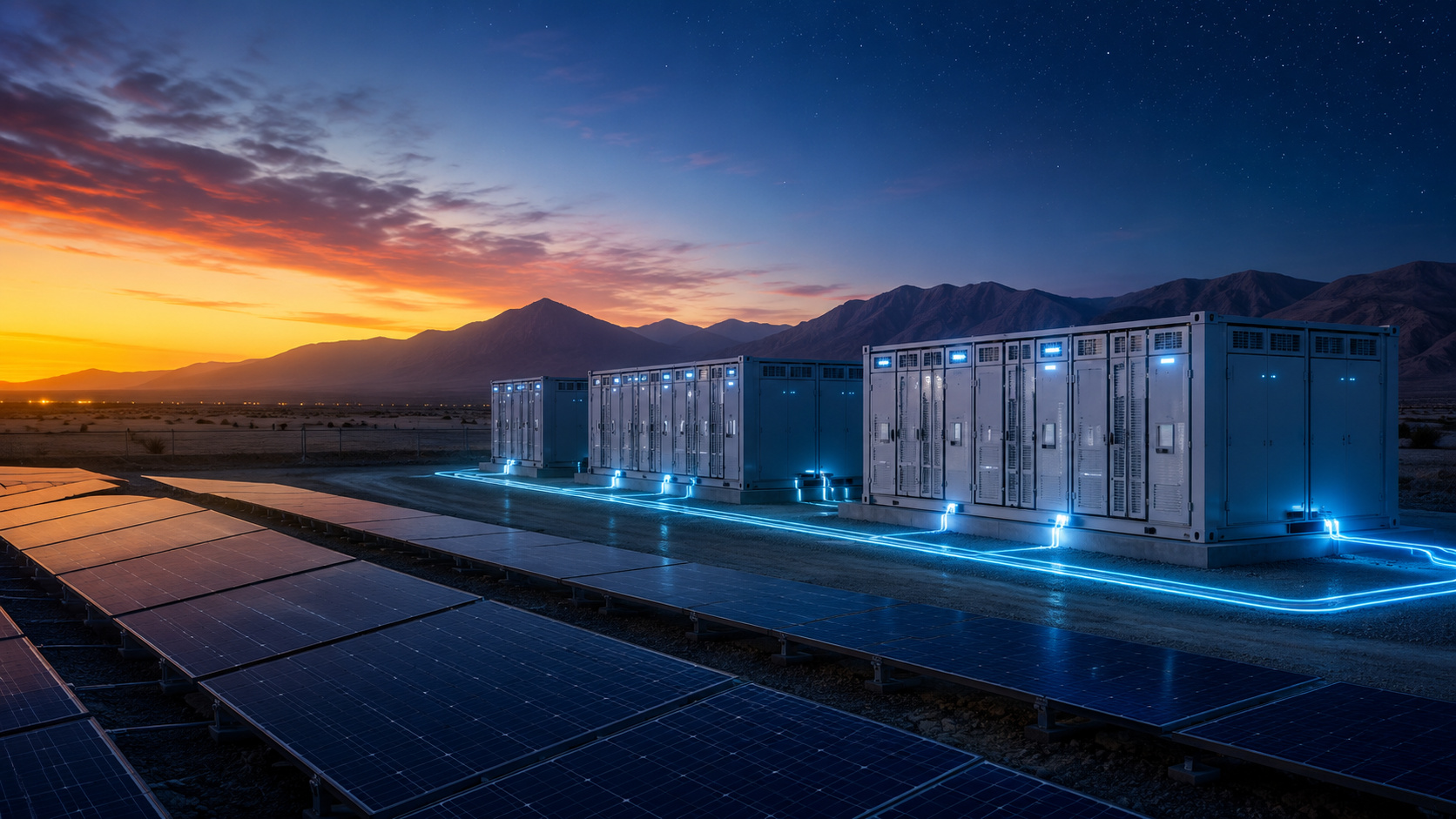
Furthermore, storage technologies continue to advance. As a result, they help reduce the intermittency of solar generation.
Therefore, innovation strengthens the role of solar energy in the global energy future.
The future of solar energy in Morocco and the world
The case of Morocco shows the potential of solar energy in the energy transition. At the same time, it reveals challenges that require attention.
On one hand, large projects prove the viability of solar energy on a large scale. On the other hand, they highlight economic, environmental, and social issues.
Thus, the future of solar energy depends on a balance between innovation, sustainability, and inclusion.
Moreover, public policies and investments remain essential to expand this energy source.
At the same time, the Moroccan experience serves as a lesson for other countries. It demonstrates that solar energy goes beyond technology.
In this way, solar energy consolidates itself as one of the main solutions for a more sustainable future, as long as the challenges are faced strategically.