Portuguese
  Spanish


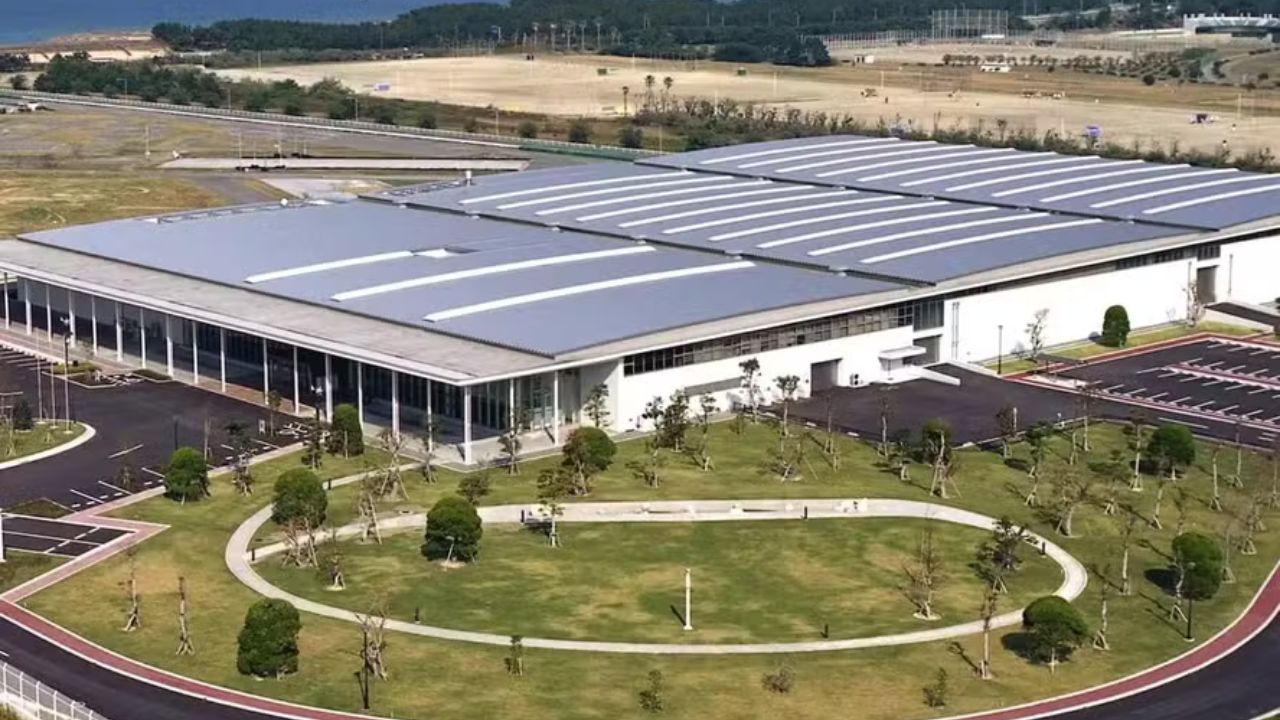


Known as Osmotic Energy, the Innovative Technology Uses the Simple Salinity Contrast to Generate Clean Electricity Continuously, 24 Hours a Day.
The Japan has just revealed an impressive breakthrough in the quest for clean energy. The country has become only the second in the world to invest in osmotic energy. At the beginning of August, the first plant of its kind in the country was inaugurated in Fukuoka, which uses the powerful force generated by the meeting of seawater with freshwater to produce electricity.
What Is the Osmotic Energy Adopted by Japan?
The technology, also called blue energy, converts the difference in salt concentration between two fluids into electrical energy. The new plant in Japan is a milestone in this field. The expectation is that the facility in Fukuoka will generate approximately 880,000 kilowatt-hours per year. This amount is sufficient to supply around 290 average households cleanly and continuously.
How Does Electricity Generation by Osmosis Work?
Osmotic energy plants operate based on a surprising natural process. On site, a special membrane separates freshwater from seawater. The salty water is then slightly pressurized. As the pressure increases, some of the water is forced through a turbine connected to a generator, producing energy.
-
Scientists Convert Food Waste into Aviation Fuel, Successfully Test 50% Blend with Conventional Kerosene to Cut Emissions and Promote Sustainable Flights

-
OnePlus N6 Smartphone to Launch in India with 8,000mAh Battery and 45W SuperVOOC Charging, Lasting Up to Three Days
-
Scientists Plan to Release Air Bubbles Underwater to Protect Antarctica’s “Doomsday Glacier” from Melting

-
Chinese R6000 Drone Combines Airplane and Helicopter Features, Carries Up to 12 People for Multiple Missions



A Stable Energy Source for Japan
Unlike other renewable sources that depend on the weather, osmotic energy stands out for its incredible consistency. “Unlike solar power generation, it is possible to generate energy 24 hours a day and it has the potential to be a stable energy source,” stated Kenji Hirokawa, the director of the center operating the plant. He believes that using seawater all over Japan for this purpose would be an “extremely significant” contribution to combating global warming.
Challenges and Advancements in Osmotic Technology
Despite being a natural and low-risk alternative to fossil fuels, osmotic energy still faces technical challenges. Chemical engineer Sandra Kentish explains that a lot of energy can be lost during the pumping of water and in its passage through the membranes.
However, Kentish highlights that technological advancements are overcoming these obstacles. She points out a crucial difference in the plant in Japan: the use of concentrated seawater (brine), which is a byproduct of a desalination plant. This technique increases the salinity difference and, consequently, the energy available to be generated, making the process more efficient.