





 Portuguese
  English
  Spanish
  3 min of reading
  0 comments


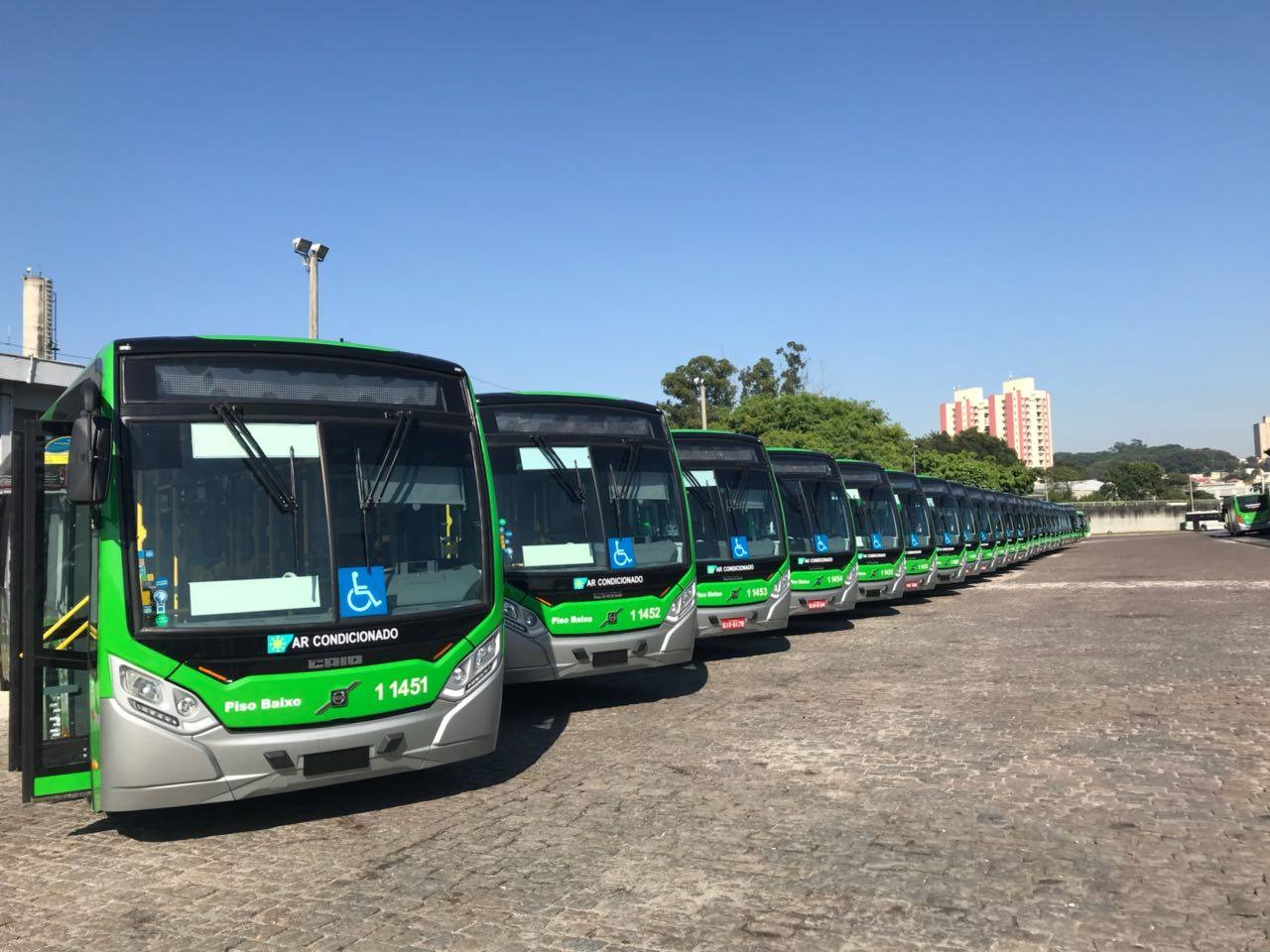
With 78 km in length, 102 stops, and over 2h25 of travel time, the 477P – Rio Pequeno/Ipiranga line is the longest in São Paulo, crossing the entire city in a route that impresses with its distance and duration.
The title of the longest bus line in São Paulo belongs to the 477P, which connects the neighborhoods of Rio Pequeno and Ipiranga.
At first glance, the straight-line distance between the two points — about 18 kilometers — is not impressive.
However, the zigzagging route considerably increases the total distance, reaching 78 kilometers traveled without leaving the limits of the capital.
-
Luxury pet market gains momentum in Paris with cafes where dogs eat croissants, gourmet desserts, and display-worthy biscuits.

-
The 2026 World Cup has barely started, and the sticker album has already become a craze with 980 stickers, 48 teams, and a cost that is alarming.
-
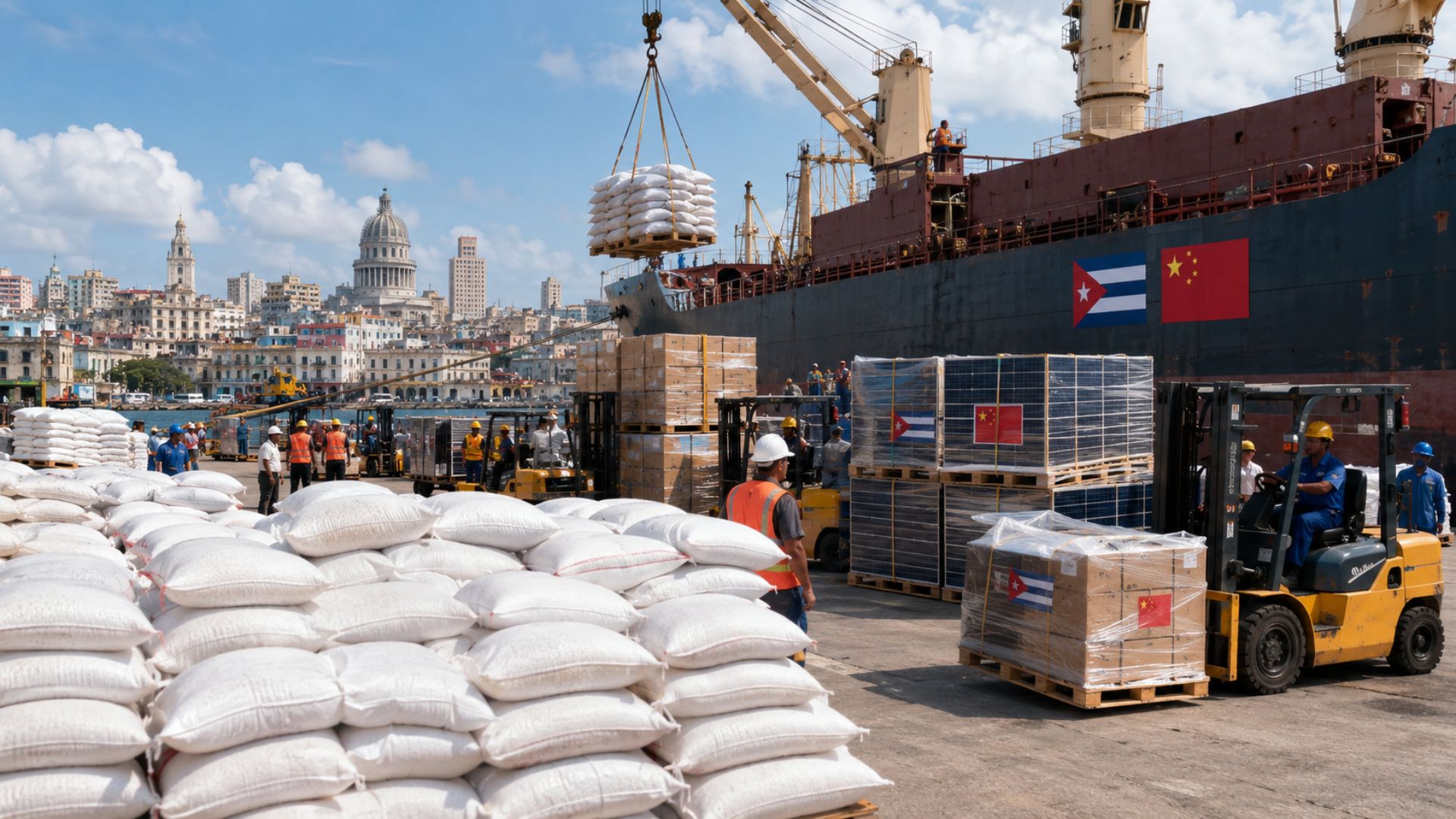
Amid the United States’ economic blockade, China delivers 15,000 tons of rice to Cuba as part of a 60,000-ton donation personally approved by Xi Jinping. The package includes 80 million dollars and solar panels for hospitals.

-
For around 200 reais, anyone can buy a kit and have a chip implanted between their fingers to replace cards, keys, badges, and even medical information in case of a hospital emergency.



This distance is similar to the trip between São Paulo and Cabreúva, a municipality in the Greater Jundiaí Region.
Along the way, the bus makes 102 stops and takes, on average, 2 hours and 25 minutes to complete the journey — not accounting for traffic.
During peak hours, the experience can turn into a true urban marathon on wheels.
The Ranking of the Longest Lines in São Paulo
Even with the leadership of the 477P, the traditional line from Terminal Parque Dom Pedro II maintains its reputation and remains among the longest in the city.
Together, the five longest lines in São Paulo total over 350 kilometers of travel.
This means that by traveling all of them in a single day, a passenger would cover a distance greater than that from São Paulo to Bauru, in the interior of the state, at 332 kilometers.
The survey, conducted by geologist João Vitor, from the profile @_cartomaps, revealed the following ranking:
- #5 – 5362 – Cocaia/Praça da Sé: 67 km, 71 stops, up to 2h of travel without traffic
- #4 – 3459 – Itaim Paulista/Parque Dom Pedro II: 68 km, 91 stops, 2h25 of travel without traffic
- #3 – 3539 – Cidade Tiradentes/Metrô Bresser: 69 km, 81 stops, 2h06 of travel without traffic
- #2 – 695Y – Palheiros/Vila Madalena: 72 km, 81 stops, 2h30 of travel without traffic
- #1 – 477P – Rio Pequeno/Ipiranga: 78 km, 102 stops, 2h25 of travel without traffic
A Portrait of Mobility in São Paulo
The numbers are impressive and reveal the magnitude of the challenges faced daily by those who depend on public transportation in São Paulo.
The extensive routes, which cross opposing zones of the city, are essential for connecting distant regions and reducing the need for transfers. On the other hand, they also illustrate the complexity of the urban network and the direct impact of traffic on daily commutes.
Whether out of necessity or curiosity, boarding the largest bus in São Paulo is almost a tourist trip — but within the limits of the metropolis itself. And, at the end of the journey, the feeling is as if one has crossed much more than just a city: it’s almost like having traveled across the entire state.





-

-

-

-

-

48 people reacted to this.