Portuguese
  Spanish


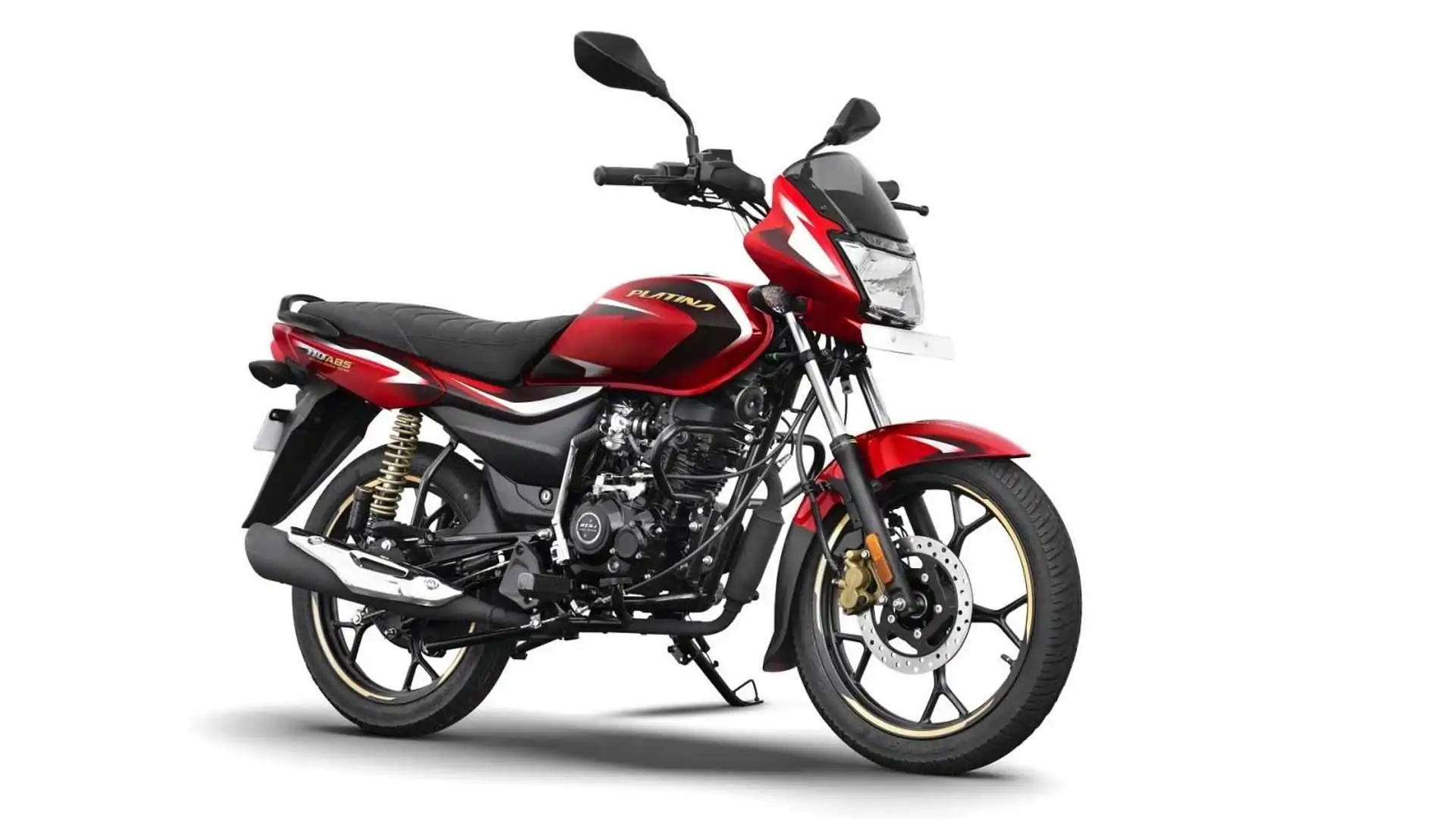


70 km/l Motorcycle That Could Retire Pop 110i, Biz 110, and Urban Shinerays If It Came to Brazil. The Bajaj Platina 110 Impresses With Its Extreme Fuel Efficiency, Robustness, and Mechanical Simplicity.
When it comes to economical motorcycles, Brazilians automatically think of three names: Honda Pop 110i, Honda Biz 110, and entry-level Shineray urban models. They dominate the cities, cost little, and go a long way on almost nothing. But there is a model off the national radar that not only surpasses the local favorites, it shatters the current logic of fuel economy. The Bajaj Platina 110, sold in India, is one of those cases that seems like an urban legend: about 70 km per liter, a simple engine, extremely low maintenance, and proven durability on roads much harsher than those in Brazil.
If this motorcycle were to come to Brazil, the impact would be immediate. It could alter the dynamics of the entry-level market, pressure the leaders, and shift the competition to a new level of energy efficiency. And the most curious thing is that the Platina 110 is not a prototype; it is not a concept, and it is not a future promise: it is a real product, widely used, and designed exactly for the type of urban use that dominates Brazil.
A Motorcycle Created to Face Heavy Traffic, Bad Roads, and Irregular Fuel
Bajaj designed the Platina 110 for the Indian market, one of the most complex in the world in terms of paving, traffic, and cost per kilometer traveled. It is there that the most resilient and economical motorcycles are born because the average user simply cannot spend much on fuel or maintenance.
-
Turbocharged Engines with Direct Injection: Why High-Performance Engines Over 130 HP/Liter and Turbines at 200,000 RPM Challenge Durability

-
Chevrolet’s Parent Company to Invest Billions in Brazil to Modernize Factories, Update Cars, and Accelerate Hybrid Launch by 2028

-
Practical Driving Tests in Brazil Surge by 23.5%, Exceeding 2.2 Million by 2026, as New Rules Make the Process Cheaper and Simpler
-
Brazil’s Lula Government Allocates $463 Million Quota for Electric Car Parts, Waives Import Tax Until December, Sparking Competition Among BYD, Automakers, and Unions as Consumers Question Impact on Prices and Local Industry



The Platina 110 was born for this: robustness above all, mechanical simplicity, absence of electronic complexity, and an engine made to last decades with the basics. The result is a model that surprises any Brazilian who has become used to considering 40–45 km/l as a “miracle”.
In India, owners report averages:
- 65 to 75 km/l in light use,
- 60 km/l in heavy urban use,
- and over 700 km of range with just an 11-liter tank.
Even if these averages were to fall in Brazil — different fuel, different climate, different traffic — the Platina would still be light-years ahead of national leaders in cost per kilometer.
Why It Could Retire Pop 110i, Biz 110, and Urban Shinerays in Brazil
The logic is simple:
- Pop 110i: real average between 45 and 55 km/l
- Biz 110: between 40 and 50 km/l
- Shineray 125/150 urban models: between 35 and 45 km/l
- Platina 110: about 70 km/l (Indian cycle)
Therefore, even with losses, it is perfectly plausible to imagine the Platina operating above 55–60 km/l in Brazil and that completely changes the equation for those who travel 40, 50, or 80 km per day.
Additionally, the Platina offers something that Pop and Biz do not do as well:
- softer suspension, designed for constant potholes,
- bigger and more comfortable seat,
- more linear torque,
- quieter engine,
- less vibration,
- superior load capacity.
It is not just economical; it is more comfortable than many 125s and even some current 160s.
Robustness and Low Maintenance: Why It Became the “Motorcycle That Never Breaks” in India

The engine of the Platina 110 is considered a masterpiece of simplicity:
- single-cylinder,
- air-cooled,
- low compression ratio,
- few moving parts,
- electronic fuel injection tuned for extreme economy,
- maintenance that can be done even in very simple workshops.
In India, mechanics say that the motorcycle can go 80–100 thousand km before requiring any serious intervention, provided it receives minimal oil changes. There are reports of units over 150 thousand km without a rebuild — something that, in Brazil, only larger motorcycles usually achieve.
Technical Specifications — Bajaj Platina 110
- Engine: 115.45 cc, single-cylinder, air-cooled
- Power: about 8.5 hp
- Torque: 9.8 Nm
- Transmission: 4 speeds
- Fuel Consumption: about 70 km/l (Indian cycle)
- Weight: ~122 kg
- Range: up to 770 km estimated
- Tank: 11 liters
- Brakes: drum (some versions with CBS)
If It Came to Brazil, What Would Its Real Impact Be?
First: it would shake up the entry-level market.
Second: it would force Honda and Shineray to reevaluate efficiency.
Third: it would open space for urban motorcycles focused exclusively on extreme fuel economy, something that has disappeared in Brazil since the exit of superlight models in the 100–110 cc range.
Its main audience would be clear:
- delivery drivers,
- those who travel a lot per month,
- residents of smaller cities,
- users who need the lowest possible cost per kilometer.
It would be the perfect motorcycle for those who want to “spend almost nothing and ride a lot.”