






 Portuguese
  Spanish


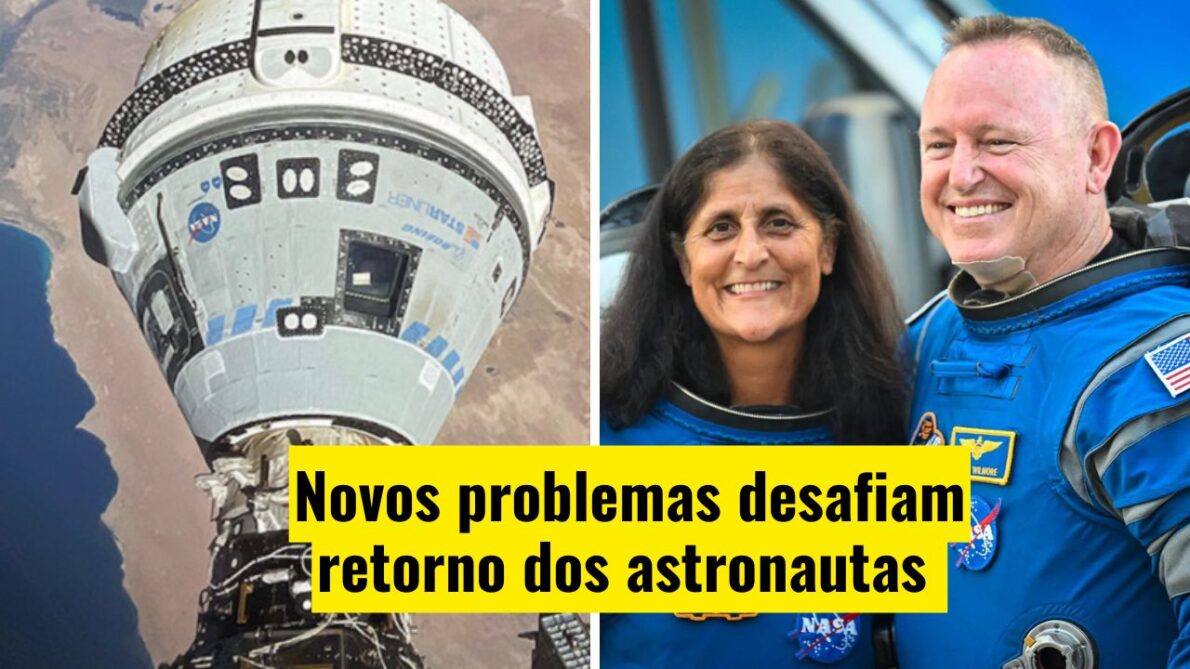

Incompatibility Between NASA And SpaceX Spacesuits Creates Dilemma In Potential Emergencies During Astronauts’ Return To Earth.
NASA and Boeing are facing a new challenge related to the rescue of astronauts in space. The issue arose when it was discovered that the spacesuits of Boeing’s Starliner spacecraft are not compatible with SpaceX’s Dragon spacecraft, which could jeopardize the safety of astronauts in emergency situations during the return to Earth.
The mission to ensure the safety of astronauts Sunita Williams and Butch Wilmore at the International Space Station (ISS) has just become more complex. NASA, in partnership with Boeing and SpaceX, has been working to find viable solutions for the rescue of astronauts in space during emergency situations. The central problem lies in the incompatibility of the spacesuits between the two main spacecraft used for crewed missions: Boeing’s Starliner and SpaceX’s Dragon.
NASA In A Delicate Position And The Astronauts Even More So
Intravehicular suits are crucial for safety within spacecraft, especially in cases of cabin pressure loss. However, the lack of interoperability between the spacesuits of the two spacecraft compromises this protection, placing NASA in a delicate position. If the astronauts need to use the Dragon spacecraft to return to Earth, they would have to make the trip without spacesuits, which significantly increases the risks in case of emergencies.
-
EcoFlow’s Portable Fridge Offers 43 Hours Off-Grid, Reaches -25°C, App-Controlled, Solar-Powered for Camping and RV Adventures

-
Vietnamese Inventor Overcomes Debt and Develops Agricultural Robot Sold in 15 Countries
-
AI-powered traffic cameras in São Paulo now issue fines for cellphone use and seatbelt violations around the clock

-
3,000 Sheep Maintain 900 MW Solar Farm Transforming Texas Fields into Energy for Data Centers



TO KNOW MORE: Finally! This new humanoid robot will take care of the cleaning in your house
Boeing And SpaceX Have Innovated…
This situation raises the question: why did NASA allow the two companies to develop different spacesuits? The agency opted to give Boeing and SpaceX the freedom to innovate in their designs, as long as they met basic safety requirements. However, this approach, which aimed to increase options and flexibility, now presents an unexpected challenge for the rescue of astronauts in space.
Would The Astronauts Have To Wait Until February?
To resolve this dilemma, NASA is considering several options. One alternative is to utilize the SpaceX Crew-9 mission, scheduled for February 2025. This mission could be sent to the ISS with only two astronauts, instead of four, leaving space for Williams and Wilmore. Additionally, extra spacesuits could be sent to ensure safety during the return.
However, this solution involves logistical and financial challenges, such as the additional cost of sending extra suits and the implications of a reduced crewed mission. NASA, along with Boeing and SpaceX, continues to evaluate alternatives to ensure the astronauts can return to Earth safely.
The situation highlights the importance of flexibility and planning in space missions. Even with technological advancements, unforeseen events like this underscore the complexity and risks involved in the rescue of astronauts in space. NASA remains committed to minimizing these risks by using creativity and innovation to overcome challenges and ensure the success of its missions.
Leave your comments below! What do you think of this new challenge faced by NASA and Boeing in the rescue of astronauts in space? Do you think the proposed solution will be effective in ensuring the safety of the astronauts?






Em minha opinião, só há uma resposta, A pender sobre “padronização” imagina, exemplo: na hora H, um bocal de lâmpada não se encaixa porque o outro fabricante usou suas normas próprias.
Nao sei porque eles vao a estacao espacial?? Passar 7 dias??
A incompetência tomou conta pela redução de custos na NASA.