Portuguese
  Spanish


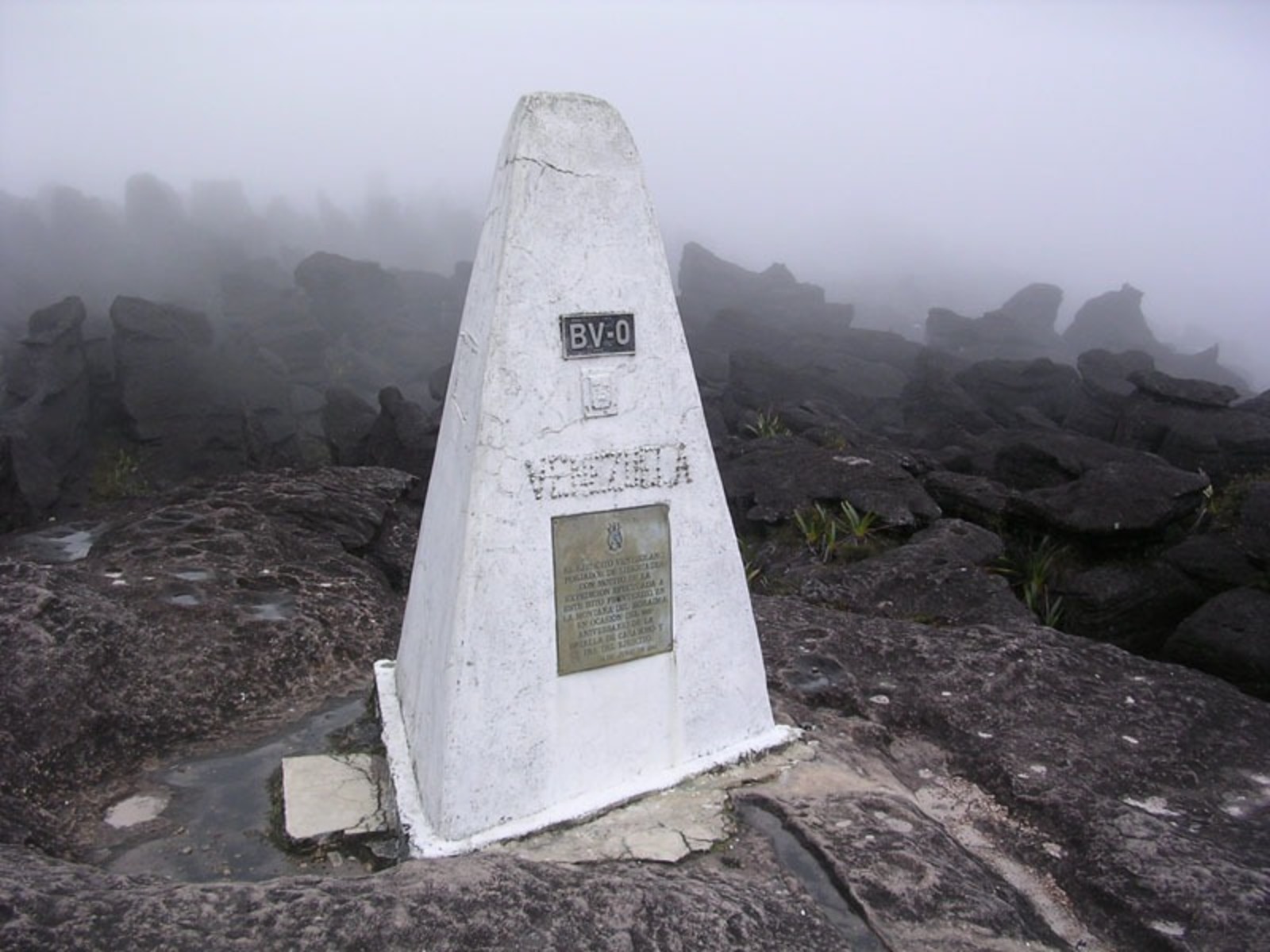


Uiramutã, In Roraima, Was Classified by the Social Progress Index as the Worst Municipality to Live in Brazil, Even Behind African Countries
The municipality of Uiramutã, in Roraima, was classified as the worst place to live in Brazil. This data comes from the Social Progress Index (SPI), which evaluated municipalities across the country. With 37.63 points, the city occupies the last position in the national ranking.
The most important thing is that the result places the municipality in a situation comparable to countries like South Sudan and Malawi, two of the poorest in Africa, according to the Global SPI.
Where Is Uiramutã
The city is located in the far north of Brazil, in the Legal Amazon region. Situated near the borders with Venezuela and Guyana, Uiramutã has geographical and cultural relevance.
-
Cape Verde’s World Cup Surprise: Betting on Electric Cars, a 5 MW Solar Plant, and an Ambitious Plan to Transform Energy for 600,000 Residents

-
Man Finds 1,469 Ancient Roman Silver Coins While Metal Detecting in Romania
-
Young Brazilian Siblings Go Viral for Catching Giant Fish, Launch Sport Fishing Project
-
72-Year-Old Retired Professor from Rural Brazil Recites 247 Digits of Pi in One Minute, Setting National Memory Record


It is home to several indigenous communities but faces historical challenges that hinder the quality of life of the population. Therefore, its position in the ranking reflects shortcomings that have persisted for decades.
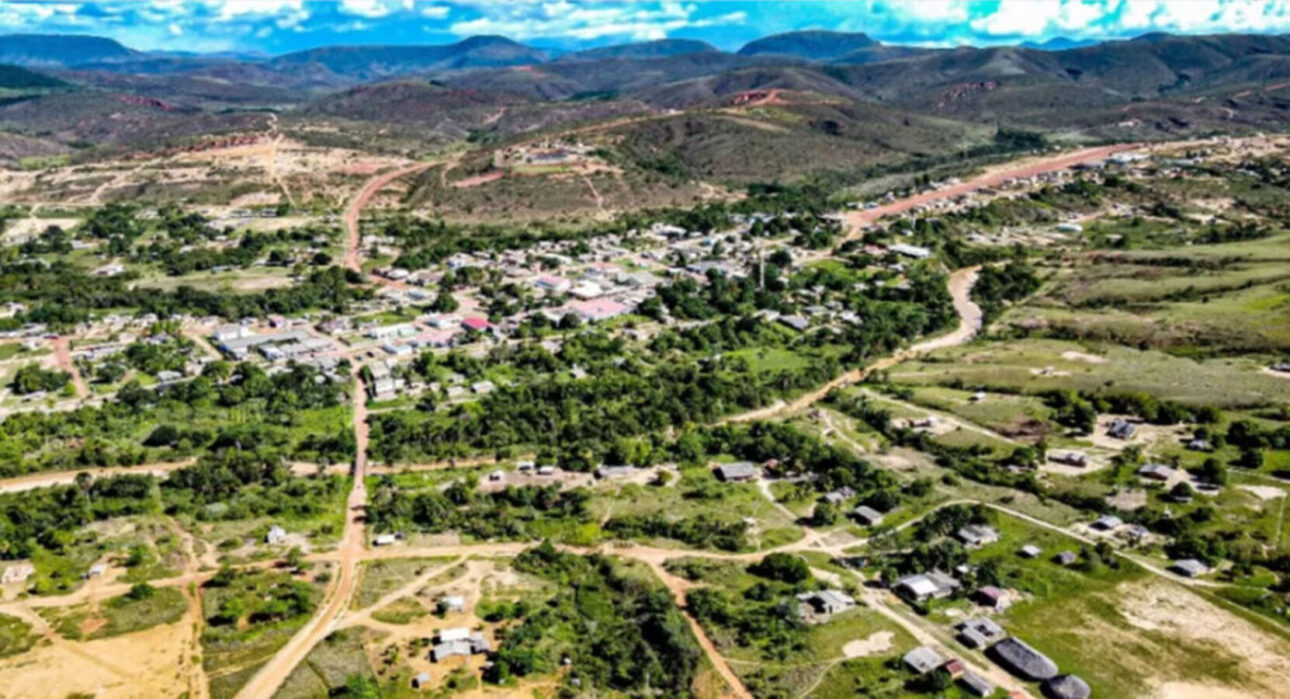
Lack of Infrastructure and Basic Services
The municipality struggles with poor infrastructure. Many residents lack basic sanitation and have limited access to clean water.
In addition, the electricity supply is unstable, and unpaved streets reinforce isolation. The difficulty of transportation between communities exacerbates the problem as it compromises access to public services.
Compromised Education
The education sector suffers from a shortage of schools in adequate conditions. There is a lack of materials, infrastructure, and qualified teachers.
These limitations hinder learning and reduce the chances of development for children and adolescents.
The result is a generation that grows up with fewer opportunities compared to youth from other regions of the country.
Health in Critical Condition
Another sensitive issue is public health. Uiramutã records high infant mortality rates, which reveals serious failures in medical care.
The municipality has few professionals and faces a shortage of medications and ambulances. Because of this, access to basic care becomes a daily challenge for residents.
Reflection of Inequality
The case of Uiramutã symbolizes the deep inequalities of the Legal Amazon. While cities in the Southeast, such as those in the interior of São Paulo, rank among the best places to live, northern Roraima remains far from the national averages.
This difference highlights striking contrasts in Brazil, where progress and extreme need coexist side by side.
With information from Diário do Litoral.