Portuguese
  Spanish


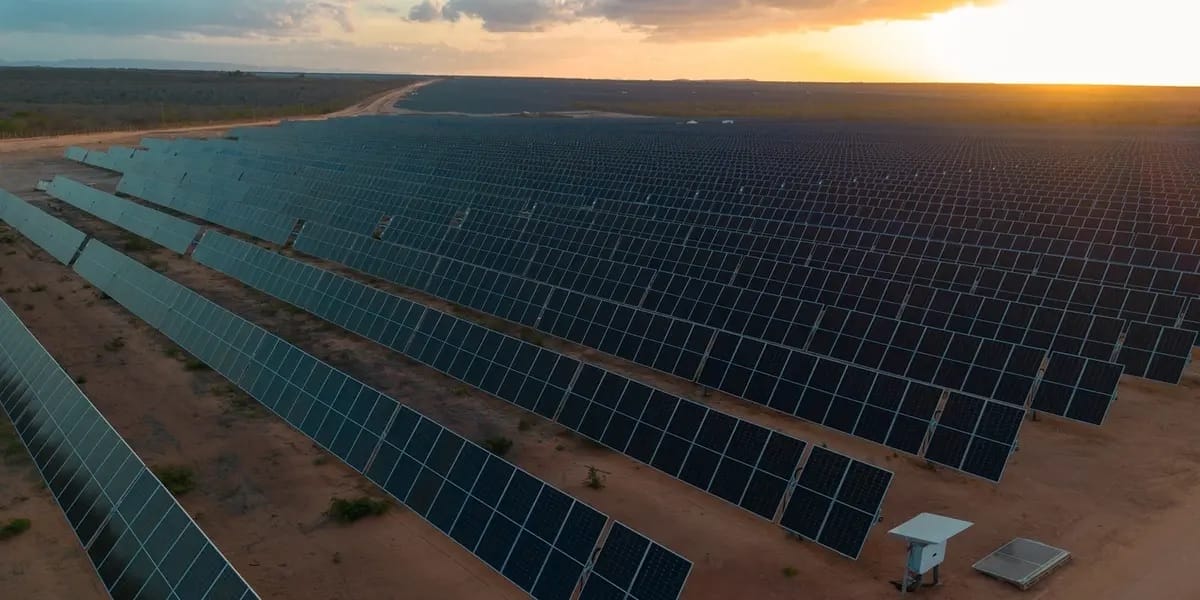

Inauguration Marks Significant Advancement in Equinor’s Renewable Energy Production Capacity
The Mendubim solar plant, located in the heart of Rio Grande do Norte, Brazil, has just been activated, marking a significant advancement for Equinor. With a capacity of 531 MW, this new addition increases the company’s electricity production in the country by an impressive 30%.
Veronica Coelho, President of Equinor in Brazil, emphasized that Mendubim is a crucial milestone in the company’s energy diversification, which already has a comprehensive portfolio that includes oil, gas, and a growing focus on renewables. The plant is designed to generate 1.2 TWh of energy annually, with 60% of this production secured by a 20-year Power Purchase Agreement (PPA) with Alunorte, a global leader in alumina supply.
A Joint Venture Driving Innovation in Energy
The achievement of Mendubim is the result of collaboration between Scatec, Hydro Rein, and Equinor, where all parties hold equal economic interests of 30% in the project. Additionally, Alunorte decided to exercise its purchase option, acquiring the remaining 10% at the start of commercial operations.
-
Brazilian scientists are simultaneously advancing two research projects on clean hydrogen and driving solutions that could transform the energy matrix, enhance industrial competitiveness, and accelerate large-scale emission reduction targets.

-
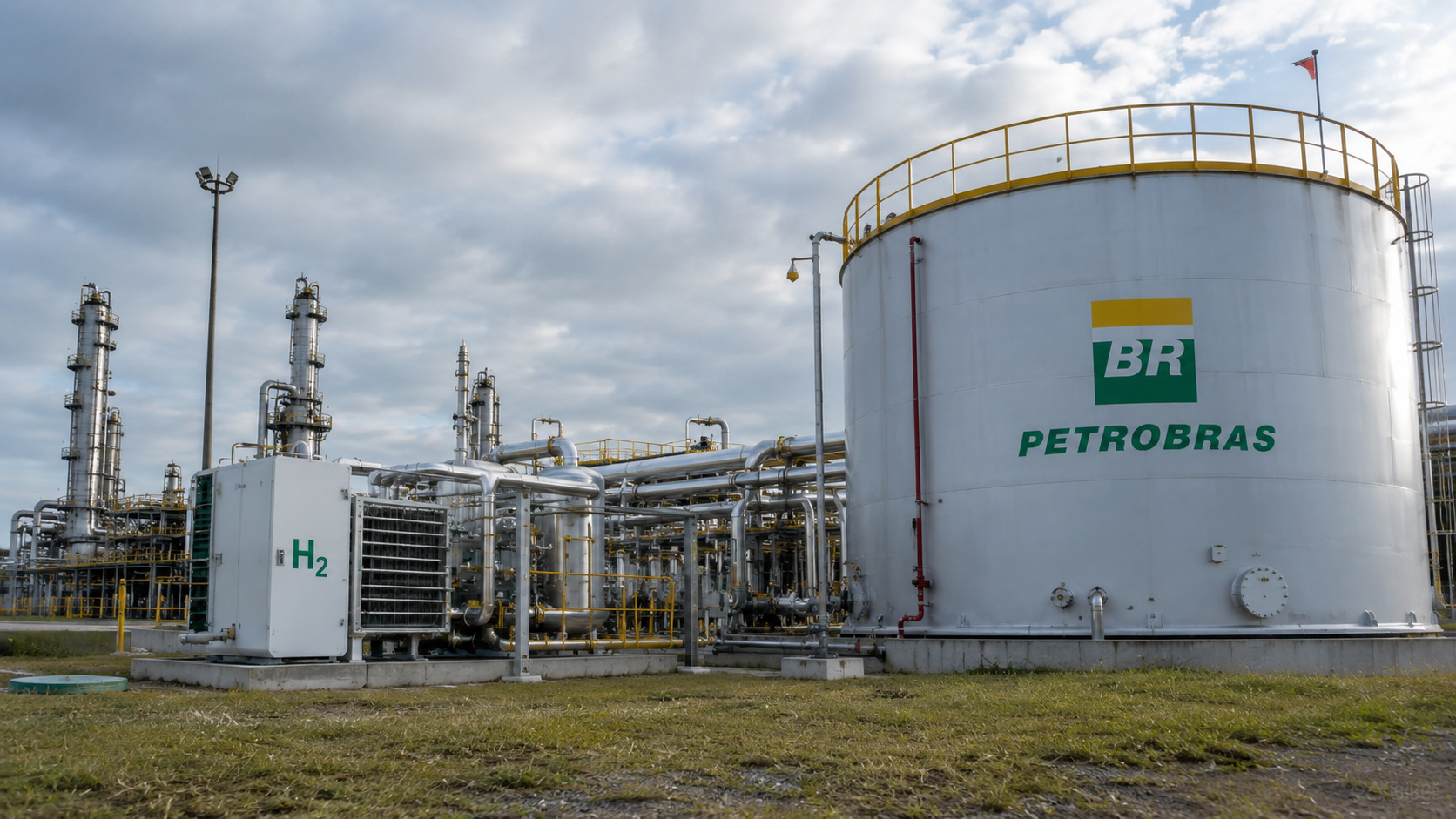
Advancement in renewable energy: A R$ 150 million project launched by Petrobras and Finep aims to create state-of-the-art electrolyzers for green hydrogen, strengthening national research and preparing Brazil to compete in a billion-dollar energy market.
-
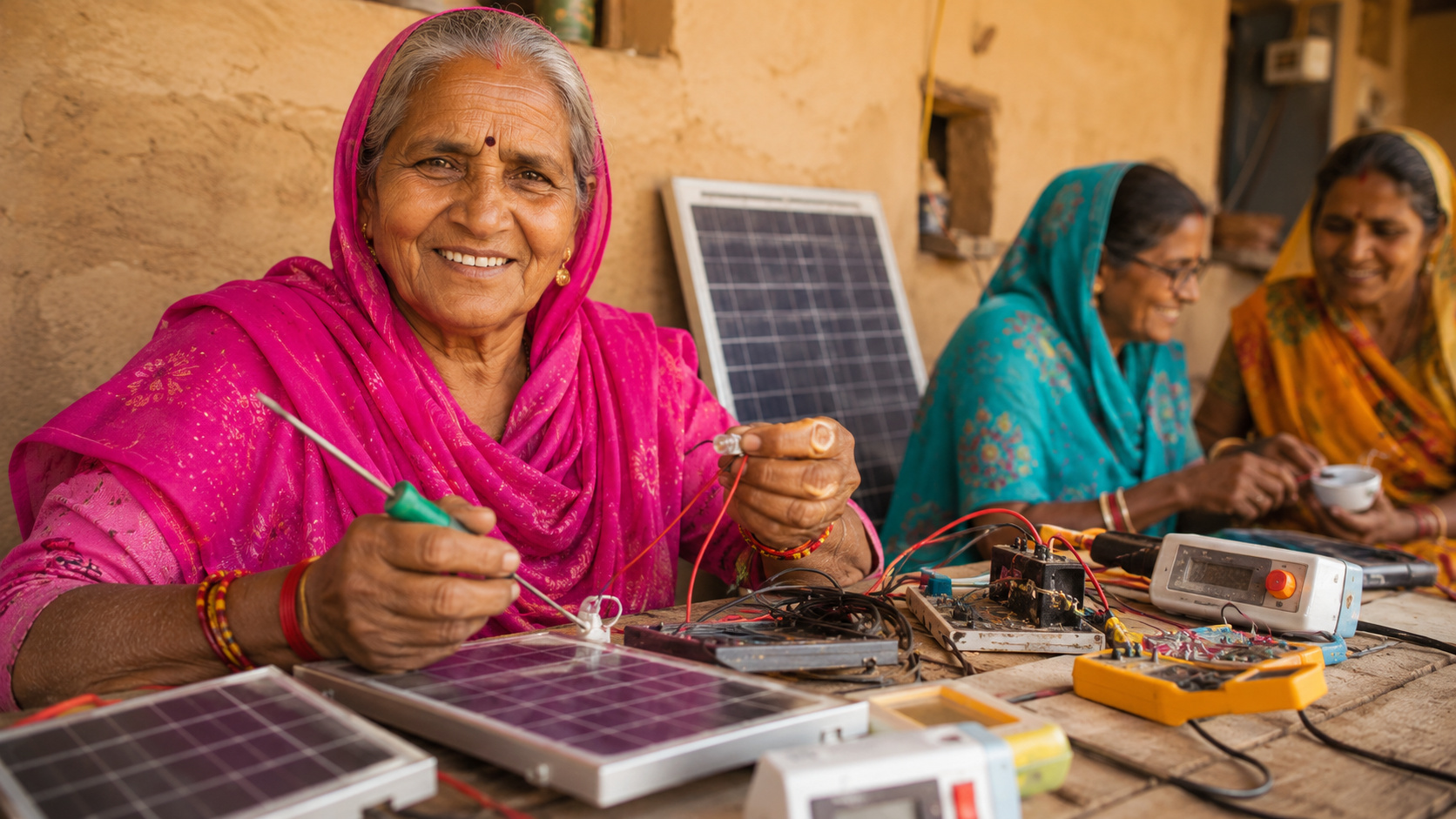
Illiterate or semi-literate grandmothers were trained to repair solar systems, open rural workshops, and light up homes that still depended on kerosene.
-
The world has bet on green hydrogen as the fuel of the future, but now faces the side effect: producing 1 kilogram requires about 9 liters of ultrapure water, and the largest projects on the planet are precisely in the driest regions of the Earth, where water is already scarce for people.


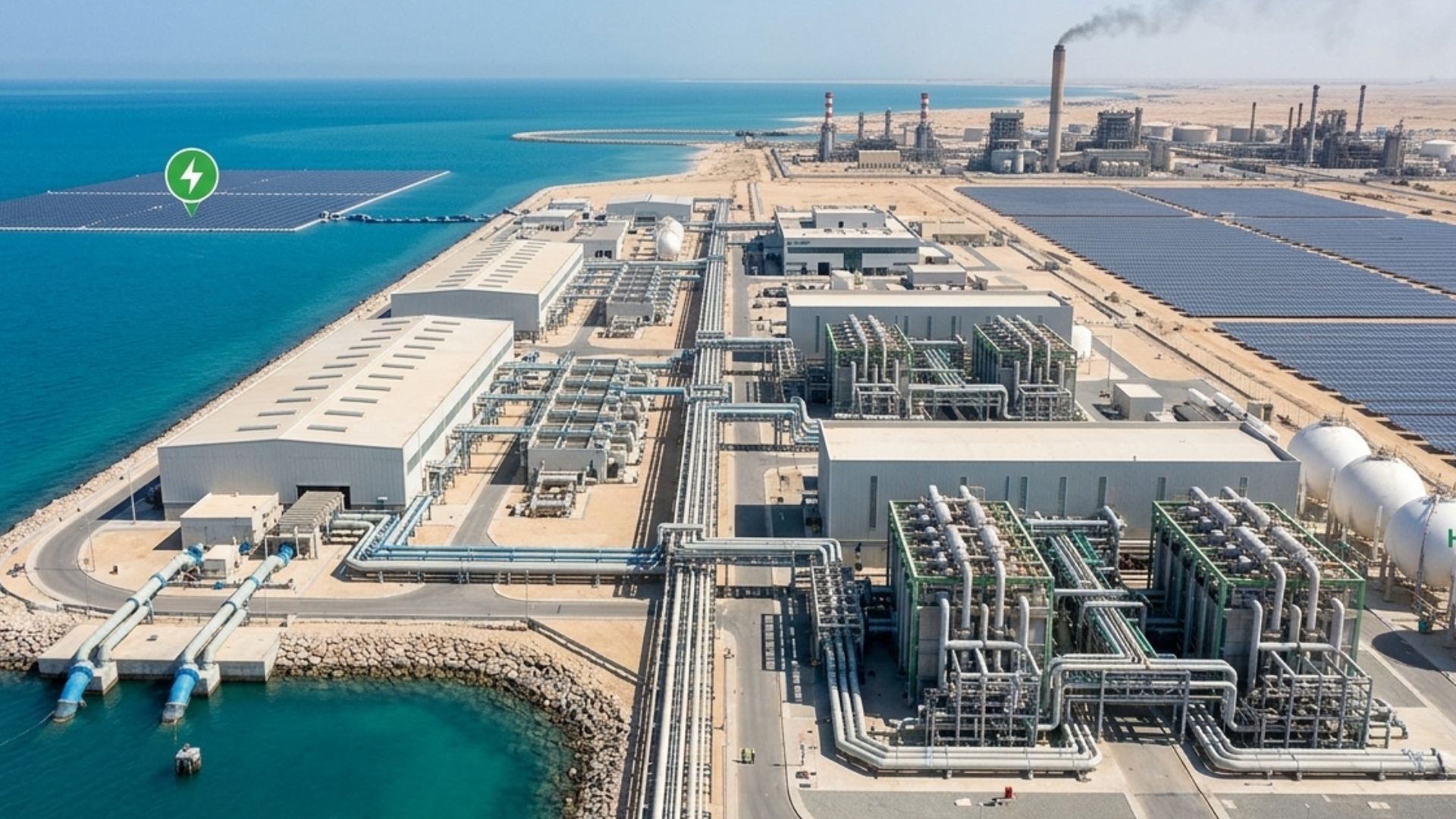
Olav Kolbeinstveit of Equinor expressed the company’s pride in launching a large-scale solar plant in Brazil, resulting from a strong partnership with Scatec and Hydro Rein. “We are committed to supporting Brazil’s ambitions for a diverse and sustainable energy matrix,” he said.
Commitment to Sustainability and Growth
This project not only represents a significant strategic advancement for Scatec and reinforces Equinor’s position in the Brazilian renewable energy market, but also highlights Hydro Rein’s commitment to developing renewable energy solutions for more sustainable industries. The majority of the energy produced by Mendubim will be used by Hydro’s alumina refinery in Pará, contributing to one of the largest decarbonization projects in the world.
The operation of Mendubim further solidifies Equinor’s position in the renewable energy sector in Brazil, which already includes other assets such as the Apodi solar plant and the Serra da Babilônia wind farm. With the addition of Mendubim, Equinor not only expands its electricity production in the country but also ventures into the Brazilian free electricity market for the first time.
Expanding the Electricity Portfolio in Brazil
Equinor envisions a future where its electricity portfolio in Brazil is both profitable and relevant, planning to double its total renewable energy generation to around 4 TWh by 2024. Danske Commodities, a subsidiary of Equinor, will play a crucial role in managing this portfolio, leveraging its trading and risk management capabilities to maximize value creation in the Brazilian market.
With Mendubim in operation, Equinor reaffirms its commitment to advancing renewable energy in Brazil, contributing to the diversification of the country’s energy matrix and supporting the anticipated growth in demand for sustainable energy.
Source:
| Lucas SchuenckService – Private Area_ |