






 Portuguese
  Spanish
  5 min of reading
  0 comments


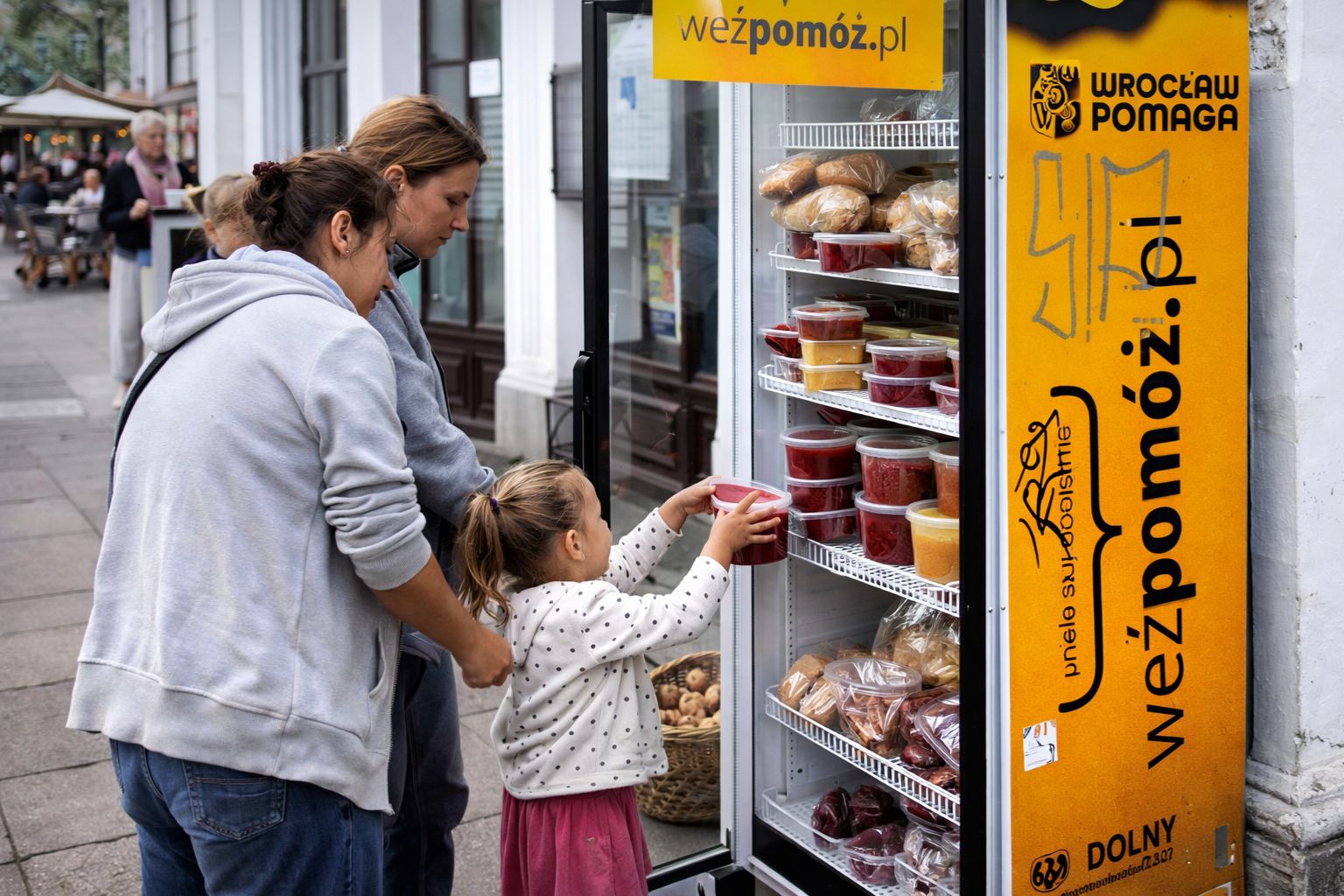
A public fridge in the middle of the street in Poland offers free food for those in need. The project, coordinated by Jan Pionek and the Taken Help Foundation, already has 1,600 refrigerators spread across the country, and in the city of Wrocław alone, there are almost 20 units. People leave soup, bread, and beets, while others take what they need, in a sharing model that teaches solidarity even to children.
A fridge in the middle of a corner in downtown Wrocław, Poland, may seem out of place to those passing by in a hurry. But when the door is opened, everything makes sense: inside there is soup, bread, beets, bananas, and other food available for free to anyone in need. The public fridge project, coordinated by Jan Pionek, president of the Taken Help Foundation, already has 1,600 units spread throughout Poland, with almost 20 operating only in Wrocław and 60 additional locations with volunteers who have offered to install new fridges. The idea is simple and powerful: those who have leftover food put it in the fridge, those in need take it, and what would be waste becomes a meal.
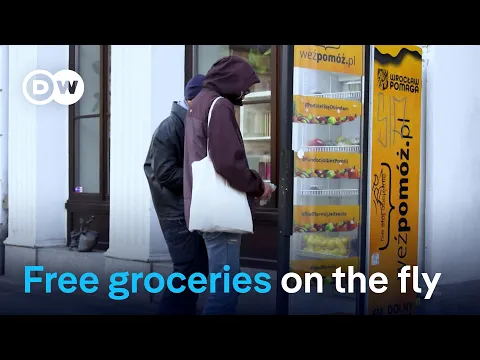
What makes the project different from a traditional food bank is the two-way street. The same people who take food from the fridge also contribute when they can, creating a cycle of solidarity that works without bureaucracy, without registration, and without embarrassment. A couple filmed by DW took some bananas and, at the same time, left beets, bread, and soup for the next person who opened the fridge. “Poles have big hearts. We prefer to leave the food here so that someone else can take it and it doesn’t end up in the trash,” explained one of the participants.
How the public fridge project works in Poland

The model is intentionally uncomplicated. According to information from the DW News channel, the fridges are installed in high-traffic areas in Polish cities, connected to the power grid, and maintained by volunteers and the Taken Help Foundation. Supermarkets donate food that is close to expiration but still in good condition, volunteers restock the units almost daily, and neighborhood residents complement them with what they have at home.
-
At 29 years old and tired of the corporate routine, a young man leaves his 11-year career, sells almost all his possessions, buys a sailboat, and sets off from Oregon to Hawaii accompanied only by his cat.

-
Saudi takes his Toyota Hilux 4×4, leaves Riyadh, crosses 23 countries, and drives about 6,000 kilometers for almost three weeks to northern Norway to fulfill the dream of seeing the northern lights.

-
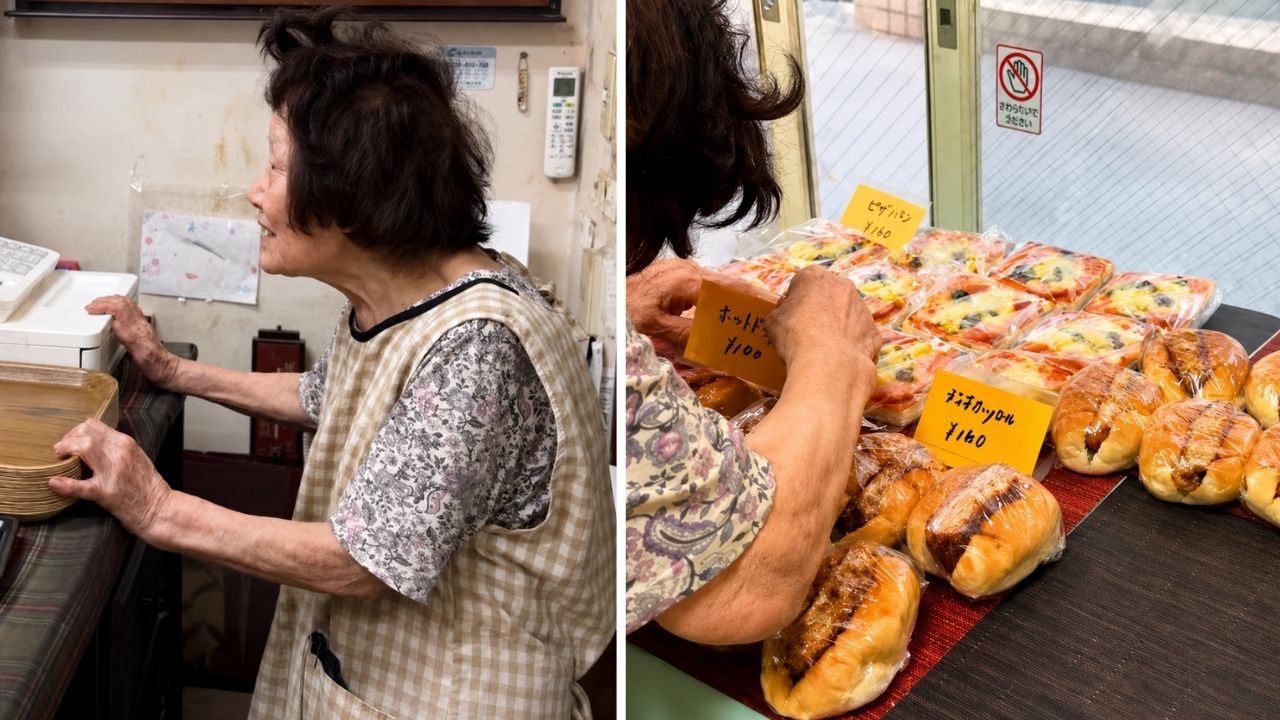
An 84-year-old mother wakes up before midnight in Japan, keeps a family bakery open for 55 years, and sells cheap handmade bread; the shop in Fukuoka produces up to 400 units a day with the help of her son.

-
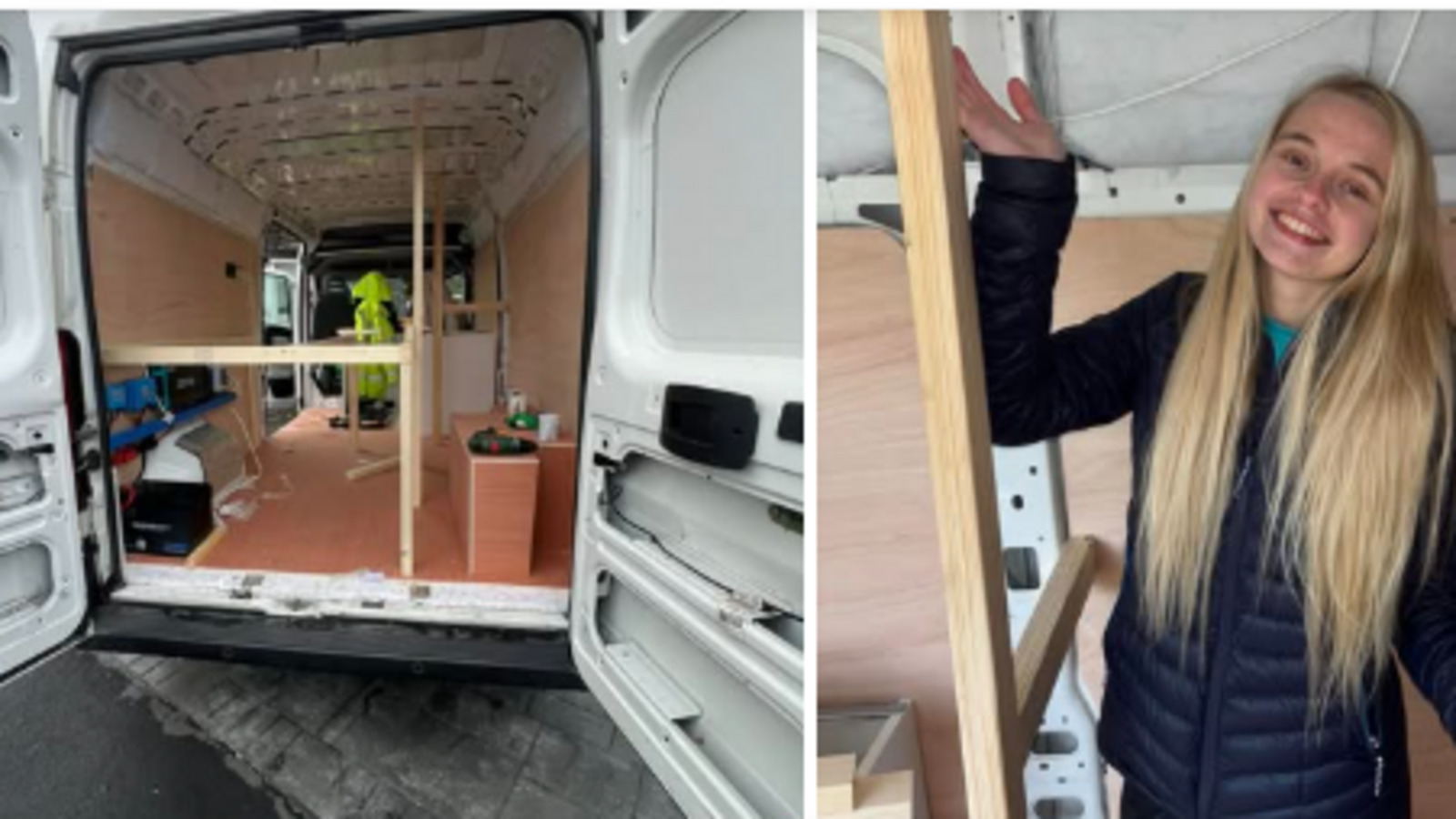
Tired of seeing her salary disappear with the mortgage, a 24-year-old sells her £125,000 house, buys a van for £13,000, invests £6,000, transforms the vehicle into a home, and decides to live on the roads of Europe.


Jan Pionek frequently appears to restock the refrigerators and supervise their operation. “We waste a lot of food, and people often feel ashamed to ask for help. That’s why the refrigerators are an easy way to help,” explains the coordinator, who believes that the anonymity of the system is precisely what makes it effective. Those who take food from the refrigerator do not need to identify themselves, do not need to prove they are in need, and do not have to face the humiliation of a public line. The refrigerator is there, open, and anyone can use it.
The educational role of the refrigerator that teaches children to share
One of the most celebrated aspects of the project is its educational effect on children. School-age students regularly pass by the refrigerator: some leave cookies they don’t need and take potatoes or a sandwich, demonstrating a natural understanding of the concept of exchange that many adults struggle to practice. For Pionek, this is the most valuable outcome: “It’s fantastic that they are learning to share. This is education.”
The refrigerator serves as a pedagogical tool without anyone needing to give a lesson on solidarity. Children who grow up seeing a public refrigerator on the corner of their home learn that sharing is normal, that helping strangers is possible, and that food waste has alternatives. This lesson, absorbed in everyday life rather than in a classroom, tends to shape adults with a different relationship with consumption, leftovers, and community.
The numbers that show how refrigerators have grown in Poland

The growth of the project is impressive in both speed and scale. From a local idea in Wrocław, public refrigerators have spread to 1,600 units across Poland, and demand continues to rise. Pionek receives constant calls from people offering locations to install new refrigerators: “I have almost 60 locations where people have offered to install extra refrigerators. They are seeing that the project works and helps others.”
The city hall of Wrocław financially supports the project but imposes limits when Pionek wants to expand faster than the oversight can keep up. The issue of food quality and storage conditions is taken seriously: when public resources are used, transparency and sanitary standards must be strict. For Pionek, however, it is important to be able to offer help quickly, even if this sometimes conflicts with official rules that prioritize control over speed.
Why people are in need in a growing economy
Although Poland’s economy is doing relatively well compared to other European countries, the reality on the streets tells a different story. Some people are facing financial difficulties that prevent them from eating properly, and many feel ashamed to seek help through traditional channels. Most visitors to the public refrigerators avoid talking to journalists or cameras, preferring the anonymity that the system offers.
The public refrigerator solves a problem that goes beyond hunger. It eliminates the psychological barrier that prevents many people from seeking help, offering a way to access food that does not require public exposure or humiliation. For those who leave food, the refrigerator is a practical way to avoid waste. For those who take food, it is a meal without judgment. For both, it is proof that solidarity can work without bureaucracy when the community organizes around something as basic as a refrigerator on the corner.
What the Polish refrigerator project can teach the rest of the world

The simplicity of the model is what makes it replicable. A refrigerator, a power outlet, a volunteer, and the community’s willingness to share are the only necessary ingredients for the project to work in any city in the world. It does not require sophisticated technology, does not depend on billion-dollar funding, and does not need government approval to start. Any neighborhood that has an extra refrigerator and people willing to use it can replicate the model.
Jan Pionek summarizes the philosophy with a phrase that defines both the project and his worldview. “People are not defined by the clothes they wear. What matters is not appearance. Receiving, but also giving. That’s what makes us happy.” While governments debate food security policies and international organizations publish reports on food waste, a refrigerator on the corner of Wrocław solves both problems at the same time, without asking for permission from anyone.
In Poland, 1,600 public refrigerators feed those who are hungry and teach children to share. Do you think this project would work in Brazil? Does your city need a refrigerator like this? Leave your opinion in the comments.


-

-

4 people reacted to this.