Portuguese
  Spanish


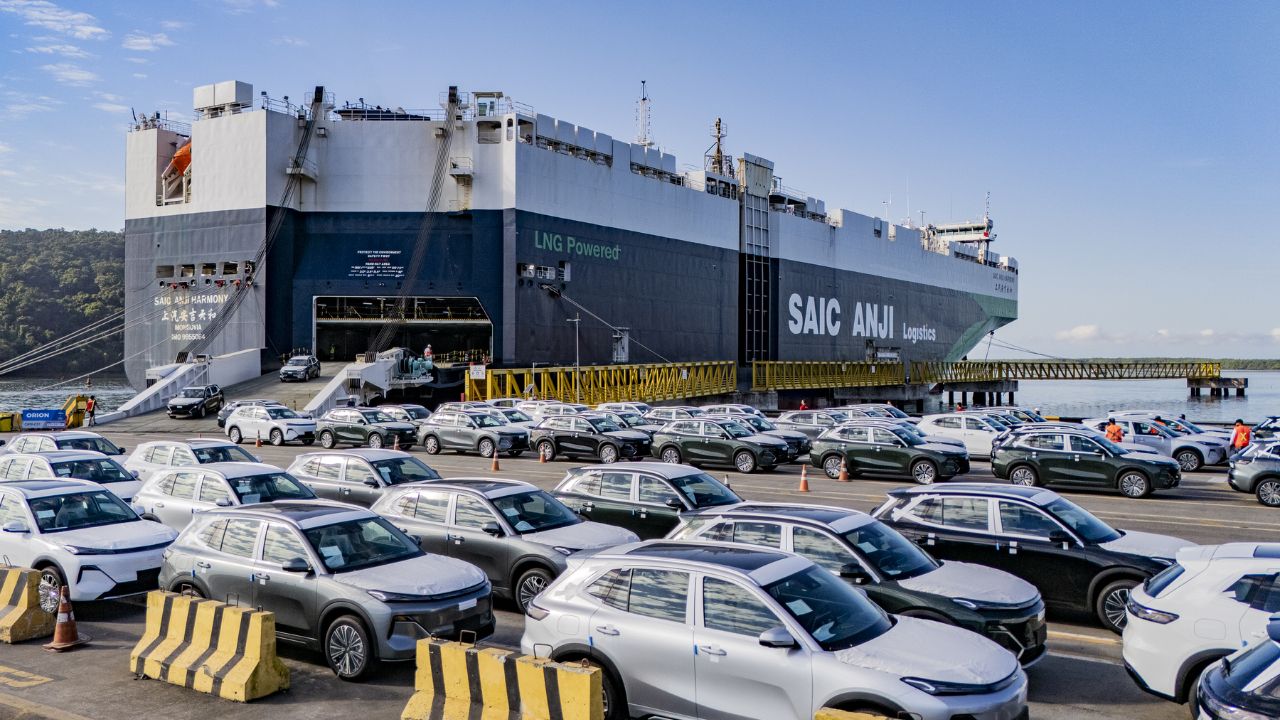


A single ship from China unloaded 5,101 electric cars in Paranaguá, in the largest operation ever recorded by the Port. Understand how it was done.
The Port of Paranaguá, in Paraná, experienced its largest vehicle unloading operation in history last Tuesday (May 5, 2026). A single ship from China docked at the terminal with 5,101 electric cars on board. According to the Government of Paraná website, the operation lasted 24 hours and mobilized approximately 350 workers distributed in different shifts, under the coordination of Ascensus Gestão e Participações, a company specializing in this type of cargo.
The ship that made history in Paranaguá
The vessel responsible for the feat is the Saic Anji Harmony, flying the Liberian flag, launched in 2024. It is one of the largest vehicle cargo ships in operation worldwide, with a capacity to transport up to 7,660 units simultaneously.

In addition to its impressive size, the vessel stands out for its environmental profile: it is powered by Liquefied Natural Gas (LNG), a fuel that emits fewer pollutants than conventional petroleum derivatives — a characteristic increasingly valued in the port sector.
-
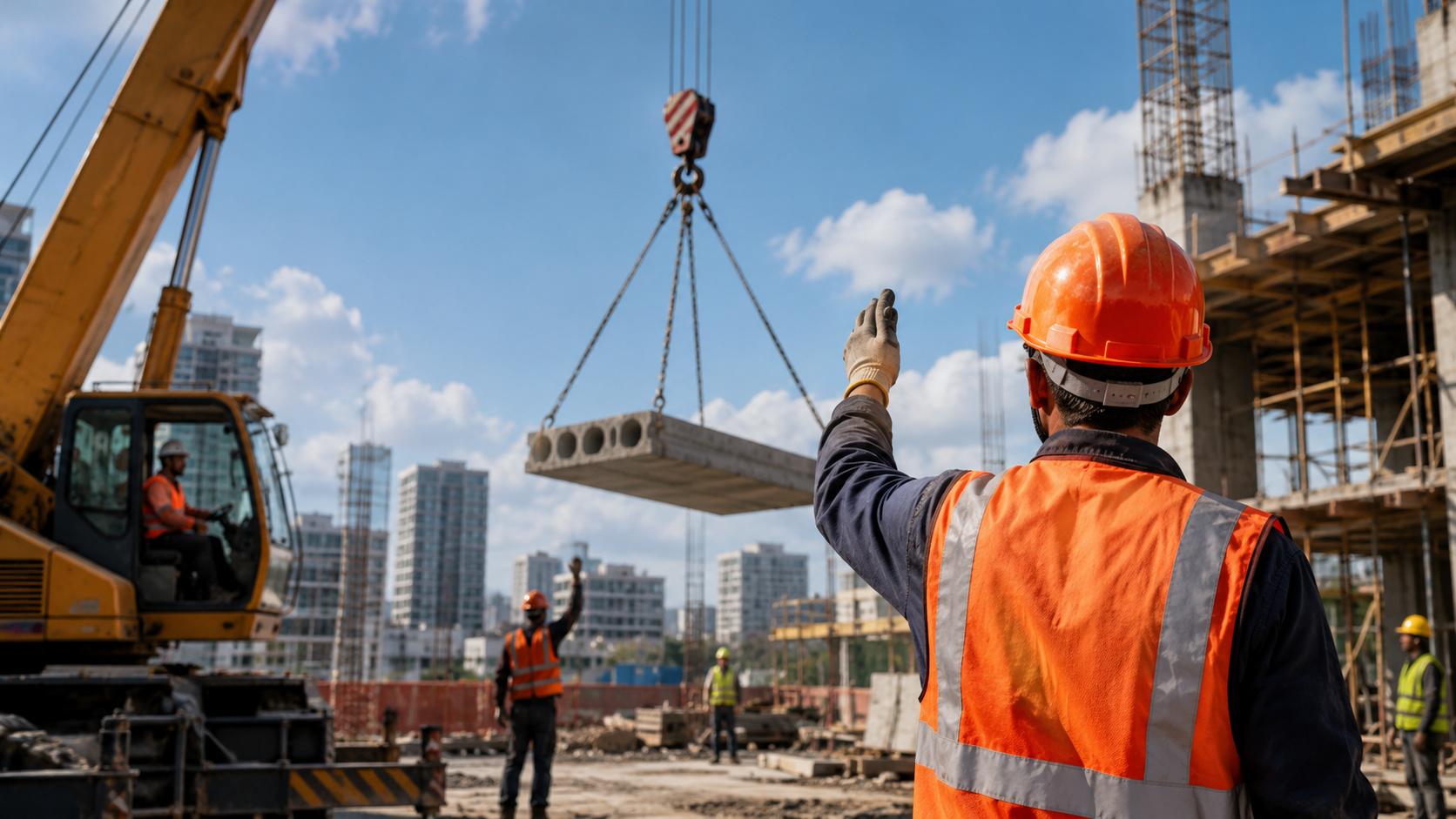
Why can the crane operator only obey the correct signalman on the construction site: among dozens of workers, a hand raised by the wrong person can confuse the maneuver and turn a load of tons into an immediate risk.

-
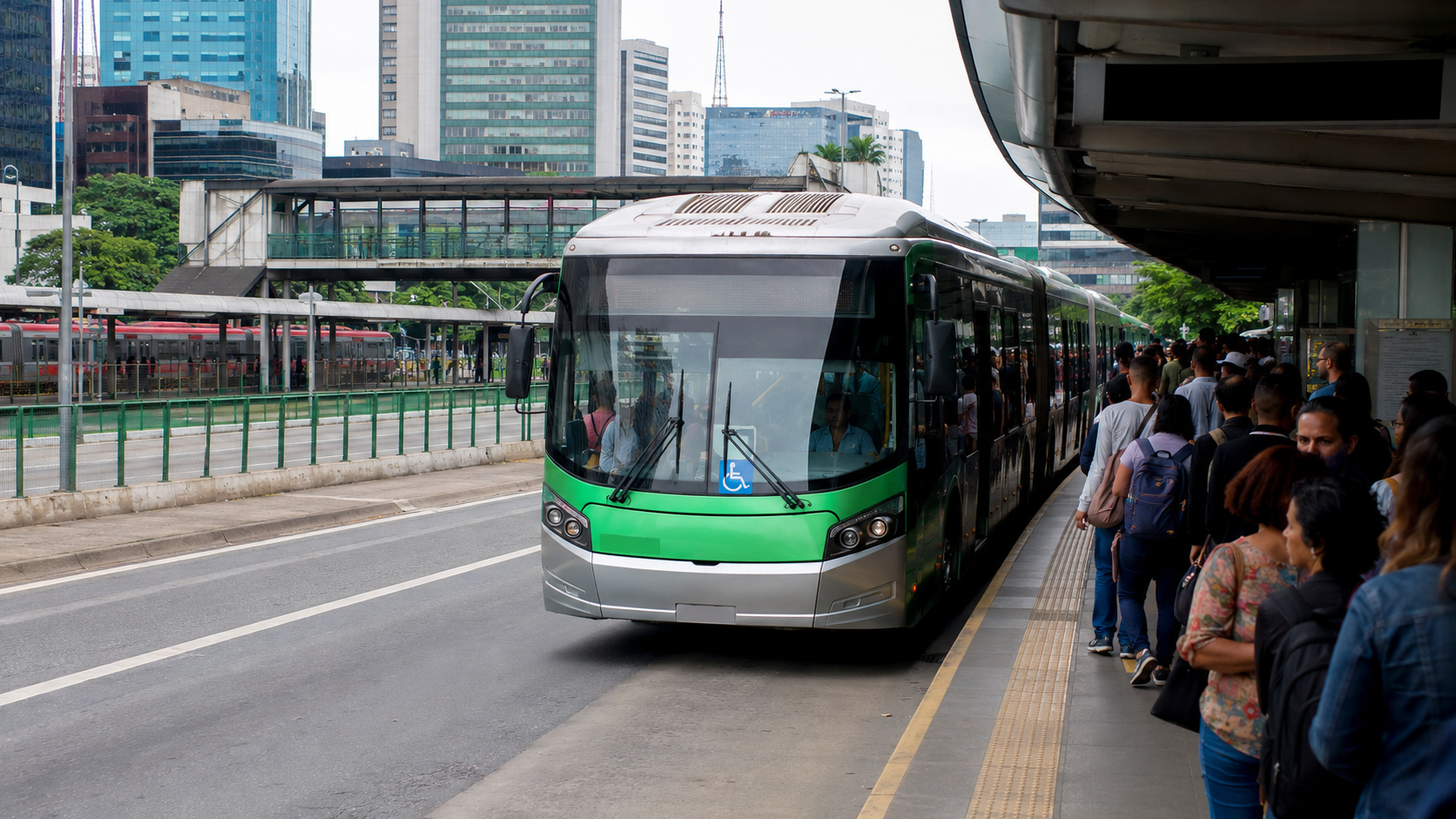
What changes with the new public transportation rules that can reduce pressure on fares and pave the way for zero fare in Brazil?
-
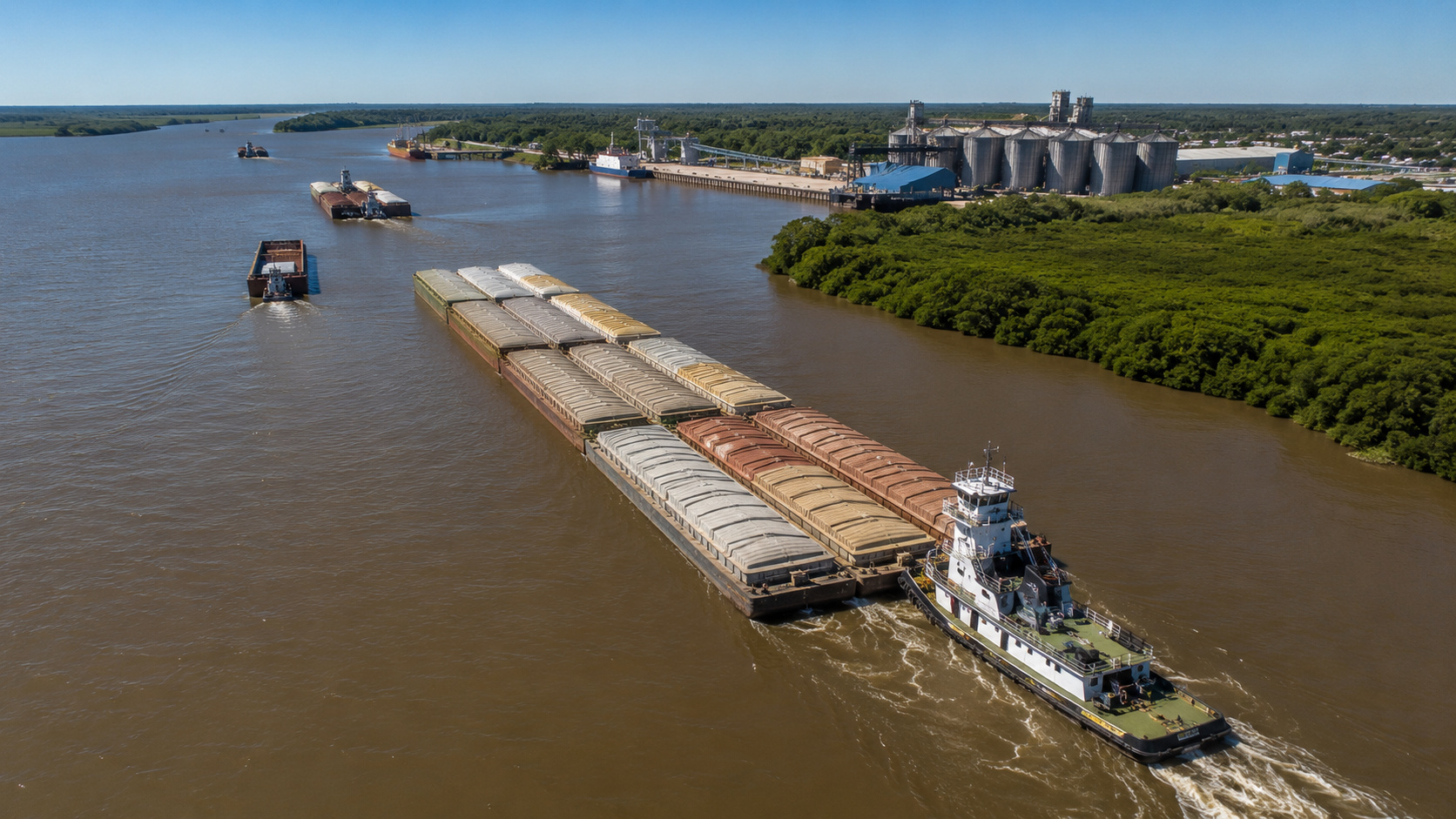
Argentina confirms Belgian giant to lead strategic Paraná River waterway and promises to reduce logistical costs on one of South America’s most important routes
-
MBRF surprises the logistics sector by demonstrating how Artificial Intelligence can directly influence deliveries throughout Brazil by reorganizing distribution routes in seconds, optimizing fleet usage, reducing logistics costs, and speeding up product arrivals even in the face of unforeseen road incidents.
Automotive sector on the rise: movement doubled in one year
The record unloading is not an isolated incident. In March 2025, another large-scale operation had already moved 3,370 electric vehicles in Paranaguá. And the year-to-date figures reveal an accelerated expansion of the segment.
In the first quarter of 2026 alone, the port recorded the movement of over 20,900 vehicles — including electric and combustion — a volume 100% higher than that recorded in the same period of 2025. Growth doubled in just twelve months.

Currently, Paranaguá has five maritime lines in the automotive segment in operation, consolidating its position among the main Brazilian ports for handling rolling cargo.
Infrastructure and workforce: the differentials that explain the record
For the CEO of Portos do Paraná, Luiz Fernando Garcia, the historic performance has well-defined roots. According to him, operational efficiency — from the arrival of vessels to the completion of loading and unloading operations — is the foundation of the results.
Garcia also highlighted the quality of the professionals involved: “The workforce brings together hundreds of professionals recognized by companies in the sector as the most careful in the country,” he stated.

The director of Ascensus reinforces this point and adds another key element of the operation: the port’s physical infrastructure. Paranaguá has an exclusive berth for Ro-Ro type ships — an English acronym for vessels that allow vehicles to be loaded and unloaded directly via a ramp, without the use of cranes.
This dedicated berth eliminates competition with other types of cargo, reduces vessel waiting times, and makes the entire process more agile and predictable.
Port adopts decarbonization plan and prioritizes sustainable ships
The environmental commitment also became part of the port’s strategy. In March 2026, Portos do Paraná launched its Decarbonization Plan, developed by Fundación Valenciaport, an entity linked to the Port of Valencia, in Spain.
The plan foresees a set of actions aimed at reducing Greenhouse Gas (GHG) emissions in port operations. Among the measures already in force, the following stand out:
- Priority berthing for ships with better environmental performance;
- Incentive for the use of vessels powered by less polluting fuels, such as LNG;
- Application of the guidelines provided in the Regulation for Ship Programming, Operations, and Berthing (2023 edition), which formalizes environmental criteria in berthing scheduling.
The arrival of the Saic Anji Harmony — powered by LNG and responsible for the historical record — illustrates in practice how sustainability and efficiency can go hand in hand in Brazilian port operations.
With information from the Government of Paraná website