Portuguese
  Spanish


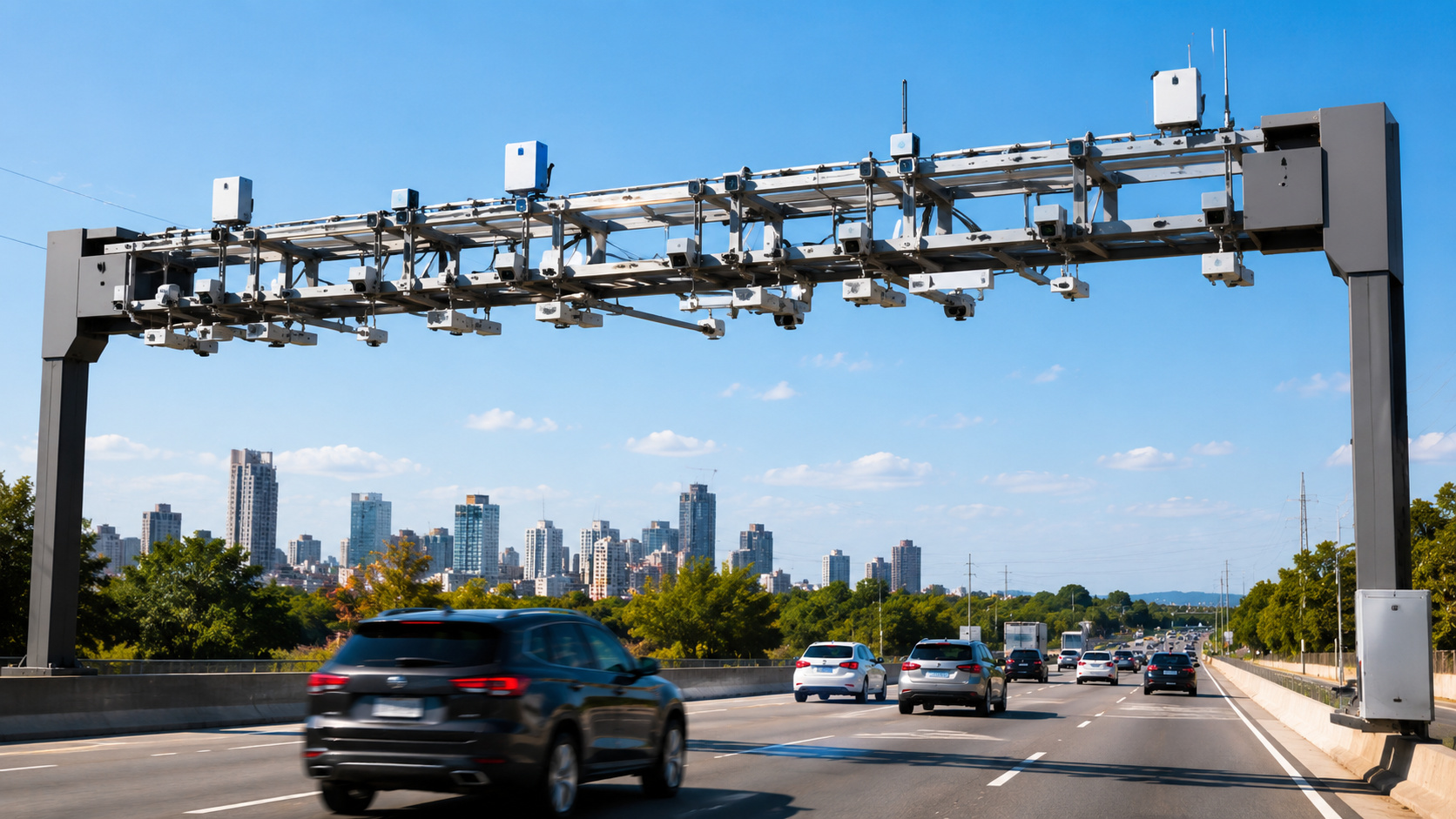

ANTT authorizes new free flow gantries in Paraná and Goiás, with automatic charging, discount by TAG, and risk of fines.
The ANTT authorized new electronic toll collection points without barriers in May 2026 on federal highways granted in Paraná and Goiás. The system, known as free flow, automatically identifies the vehicle by TAG or license plate, without a physical booth and without mandatory stopping. The change directly affects drivers traveling on sections of BRs 060, 452, 369, 373, and 376, as well as state highways integrated into the concessions. The model promises to reduce queues and improve traffic flow, but requires attention: those who pass without a TAG need to pay later through the concessionaire’s channels.
Electronic toll without barriers advances in Paraná and Goiás
In Paraná, ANTT authorized charging at gantries P02, in Mauá da Serra, and P07, in Londrina, operated by PRVIAS S.A.. For cars, pickup trucks, and vans, the authorized fee is R$ 10.80 at each gantry.
In Goiás, the agency approved seven free flow gantries by Rota Verde Goiás S.A., installed on sections of BRs 060 and 452. Fees for light vehicles range from R$ 3.90 to R$ 12.00, depending on the section traveled.
-
Latin America’s Largest Port Invests $400 Million in Rail System with Trains Up to 2.4 Kilometers Long
-
New Smart Radar Begins Issuing Fines to Solo Drivers in Carpool Lanes, Uses Cameras to Count Occupants, Changing Traffic Enforcement Rules on Busy European Roads

-
Why can the crane operator only obey the correct signalman on the construction site: among dozens of workers, a hand raised by the wrong person can confuse the maneuver and turn a load of tons into an immediate risk.
-
What changes with the new public transportation rules that can reduce pressure on fares and pave the way for zero fare in Brazil?

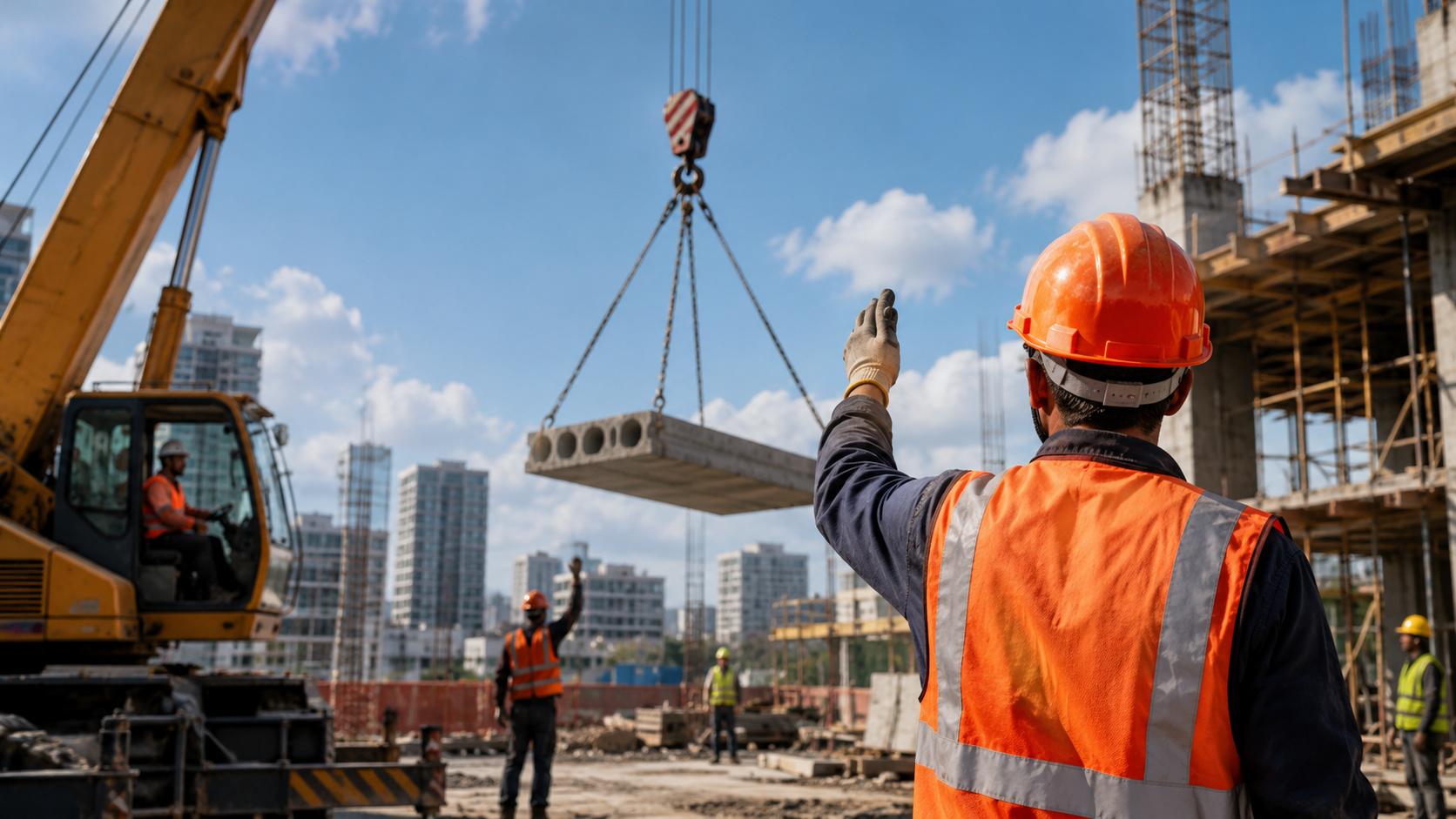
How the free flow system works on highways
In free flow, the driver passes through the gantry at normal speed, without stopping. The system records the passage via the TAG installed in the vehicle or by reading the license plate, automatically generating the fee charge.


Those with an active TAG can have the amount automatically debited and also access discounts. Those without a TAG need to check the charge and pay within the deadline defined by the responsible concessionaire’s channels.
The most sensitive point of the new model is that the absence of a barrier does not mean the absence of a charge. Passing through the gantry generates a mandatory fee, even if the driver does not stop and does not receive a physical bill at the time of travel.
According to the rules released by ANTT, failure to pay can be classified as toll evasion after the applicable deadline. This can result in fines and points on the driver’s license, as provided by the Brazilian Traffic Code.
Government created transition rule after millions of fines
In April 2026, the Federal Government announced the suspension of over 3 million fines related to free flow and opened a period of 200 days for drivers to regularize overdue tolls. The measure was created to reduce the impacts of adapting to the new system.
The rule, however, does not cancel the toll charge. It only creates a temporary window for payment without penalty in specific cases. The driver is still required to pay the toll when passing through an electronic gantry.
TAG can guarantee discount on frequent trips
ANTT informs that drivers with a valid TAG can access the Basic Toll Discount of 5% and the Frequent User Discount, which progressively reduces the amount for those who pass several times through the same gantry in the same direction during the month.

In Paraná, the agency reported that the discount for frequent users can reach up to 73% under certain conditions. This benefit makes the TAG more advantageous for those who use the same stretches daily or several times a month.
The toll without a barrier eliminates queues, reduces stops, and modernizes toll collection on granted highways. At the same time, it transfers to the driver the responsibility of tracking trips, checking debts, and paying on time when not using a TAG.
With new gantries in Paraná and Goiás, free flow enters a broader phase on Brazilian highways. The technology promises faster trips but also creates a new routine: passing straight through does not mean passing for free.