






 Portuguese
  Spanish
 3 min of reading
  0 comments


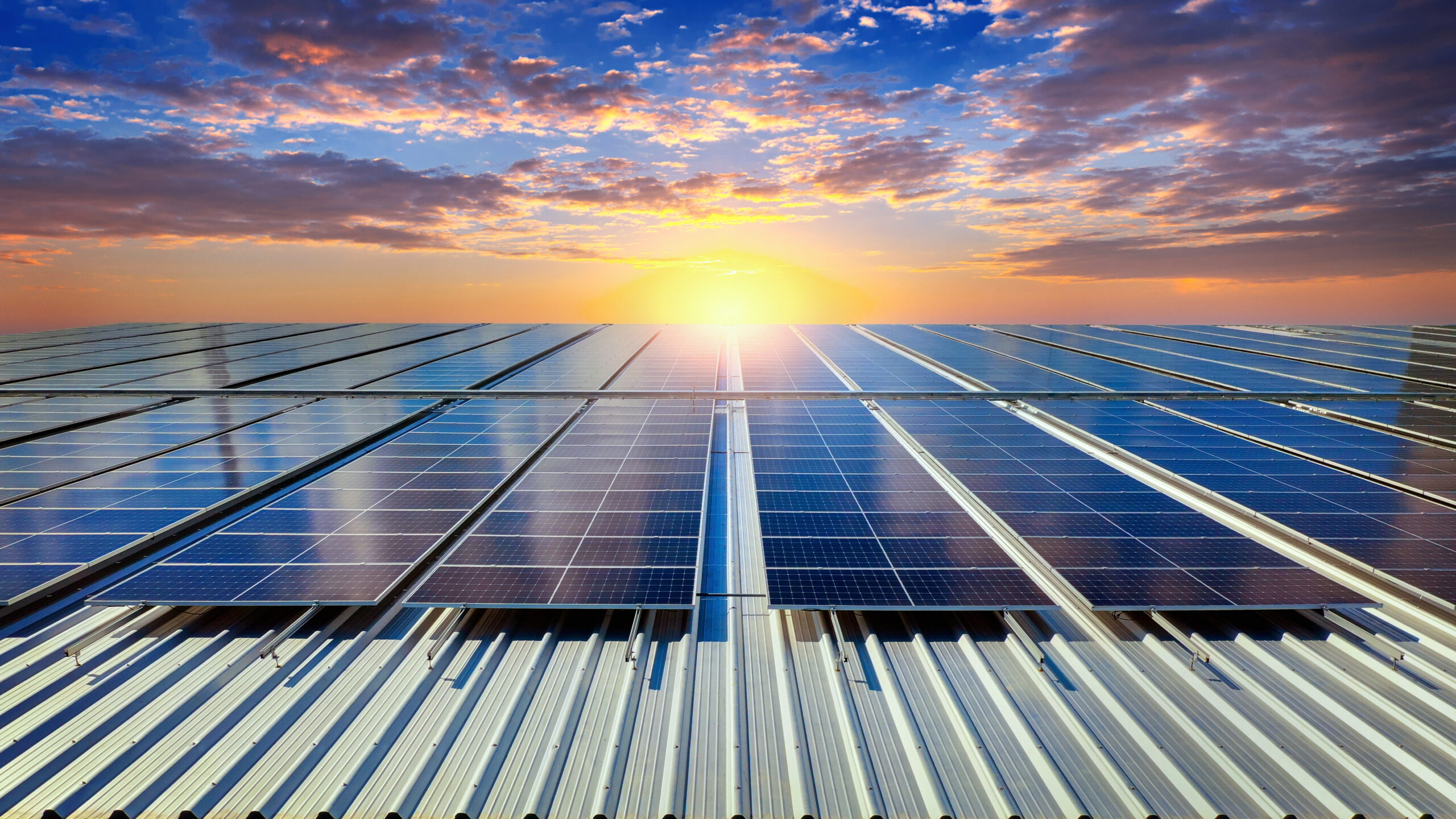
The Beginning of the Controversy. The discussion about solar energy fees gained strength after consumers from Rio Grande do Norte reported unexpected increases in their bills.
According to Procon-RN, reports began in early November 2025. Since then, more than a hundred complaints have reached the agency. As a consequence, the director-general Ana Paula Araújo began to investigate the adjustments.
Although many users installed solar energy systems to reduce their costs, several have faced prices significantly above average. According to Procon-RN, some consumers saw increases of 200% to 600%, which raised immediate concerns. Therefore, the agency’s technical team initiated a detailed analysis of the bills.
Additionally, local media outlets reinforced this information. According to G1 RN, in an article published on November 17, 2025, the complaints involved consumers from several cities in Rio Grande do Norte. Thus, the issue gained statewide significance and demanded a prompt response from the responsible utility company.
-
Solar energy can increase property value by up to 10% and become a selling point.

-
Solar and wind energy surpass natural gas for the first time in the world and accelerate energy revolution

-
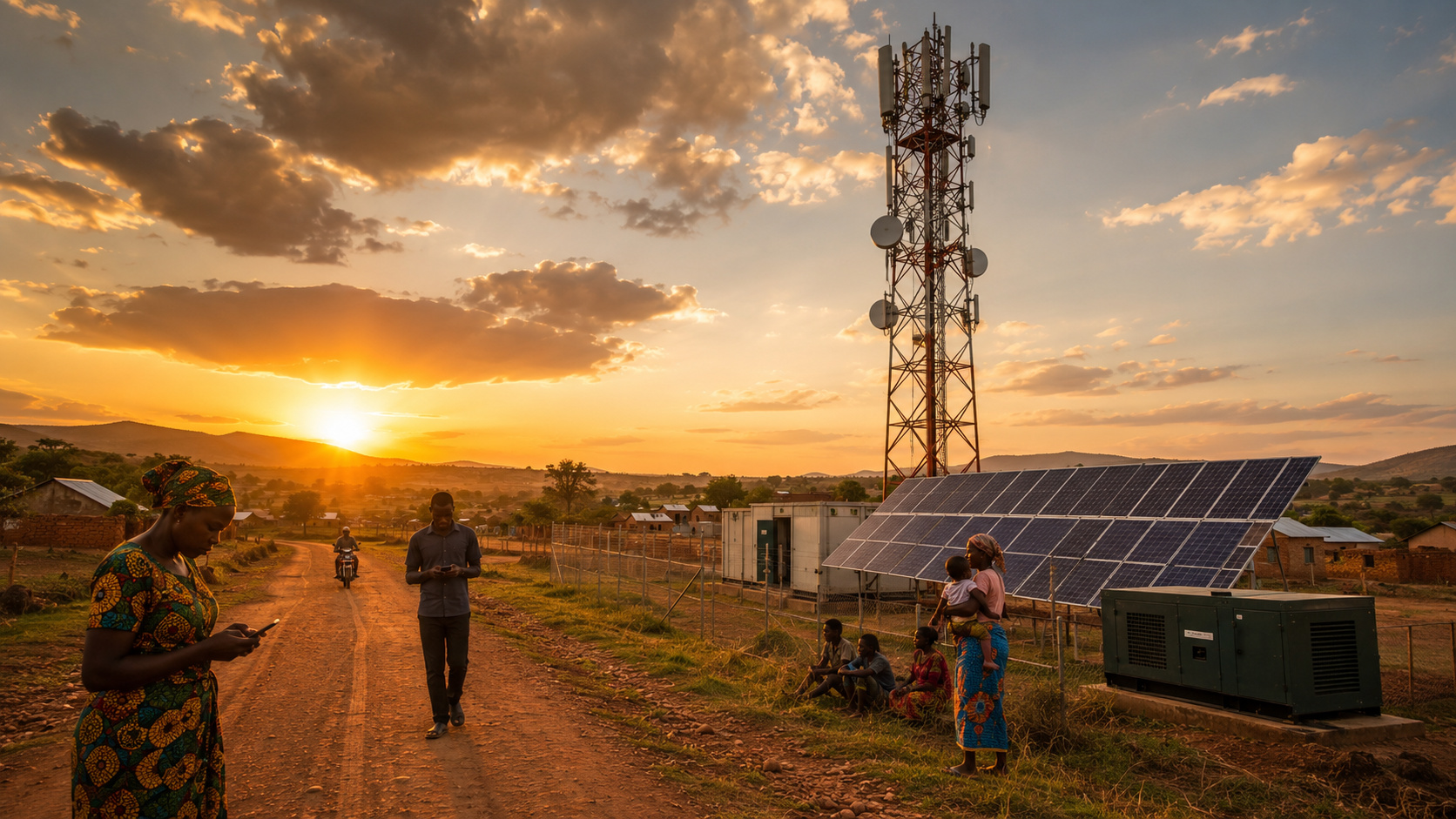
Africa has about 500,000 cell towers and most still burn diesel to operate, while companies rush to cover antennas with solar energy and avoid signal blackouts.
-
Farmers swapped diesel for solar panels in Pakistan, powered irrigation pumps almost cost-free, expanded rice fields, and now groundwater has become a red alert in the countryside.


The Decision to Suspend the Fees
Under pressure, Neoenergia Cosern temporarily suspended the GD2 and GD3 rates, which had caused the increases. According to the company, the measure was taken to allow dialogue with the government, as well as to review the tariff calculations. Therefore, customers were exempt from these charges until further notice.
According to an official statement from Cosern, published on the same day by G1, the suspension applied immediately to all consumers of micro and mini photovoltaic generation. Although the company stated that it adheres to Federal Law 14.300/2022, it also admitted that the moment required a deeper evaluation.
Meanwhile, Procon-RN directed that the suspension continue until the analyses are completed. As a result, consumers experienced temporary financial relief.
Why Did the Bills Get So High?
This increase occurred mainly due to the rules of Law 14.300/2022, which created the Legal Framework for Distributed Generation. According to this law, consumers who installed systems from January 7, 2023 began to gradually pay for the System Use Tariff (TUSD).
According to Cosern, this charge considers the energy that enters and exits the grid. According to the utility, the ICMS also applies because there is a state law — Law 6.968/1996 — that mandates its application in specific parts of the tariff. Therefore, the increases did not occur due to a technical error, but due to regulatory changes.
However, many consumers claim that the calculation was not clear. Thus, Procon-RN continues to analyze the bills. In this way, the agency seeks to ensure that the amounts charged respect consumer rights, as the impact was considered excessive.
Consumer Reactions and Impact on the Sector
Social media began to record numerous reports of surprise and indignation. As many invested heavily in adopting solar energy, these increases generated insecurity. However, Procon-RN emphasized that it is working to defend those affected.
On the other hand, experts say that the discussion may alter the pace of the solar market in Rio Grande do Norte. This is because new consumers may hesitate before investing. Nevertheless, companies in the sector believe that a transparent review will strengthen trust in the long run.
Additionally, associations linked to renewable energy issued statements advocating for a review of the charges. According to them, the lack of clarity could hinder the expansion of sustainable sources.
How the Case Evolves from Now On
As G1 and Procon-RN reported on November 17, 2025, the investigation continues. Thus, Cosern and the government are evaluating regulatory adjustments and compensation possibilities. Meanwhile, consumers await a definitive resolution.
While there is anticipation, there is no official deadline for the end of the analysis. However, the ongoing suspension reduces the immediate financial impact. Furthermore, the episode reignited debates about the future of solar energy in Brazil, especially in the Northeast, where it has great potential.


Thus, attention remains focused on the upcoming decisions from Neoenergia, Procon-RN, and national regulatory agencies.






Be the first to react!