






 Portuguese
  Spanish



From Dream to Shame: The US$ 2 Billion Solar Plant Turned into a Bird Slaughterhouse and Was Swallowed by Photovoltaic Energy
One of the most ambitious projects of the Obama era, designed to prove that concentrating solar energy could power thousands of homes even after sunset, is now in the process of dismantling. The Ivanpah Solar Power Facility, located in the Mojave Desert in California, was built with federal funding, support from Google, and promises of innovation. In the end, it was buried by technical failures, environmental impact, and a technology that aged too quickly.
When Did Birds Become Victims of “Clean” Energy?
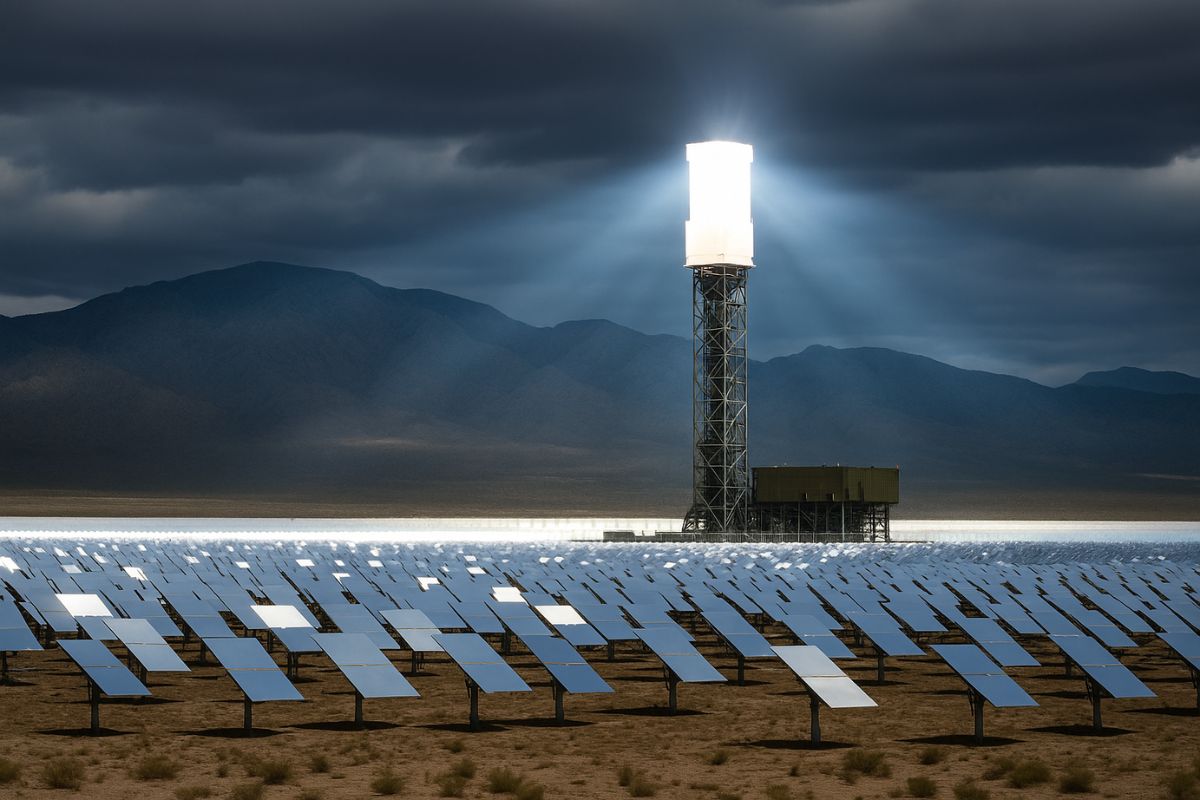
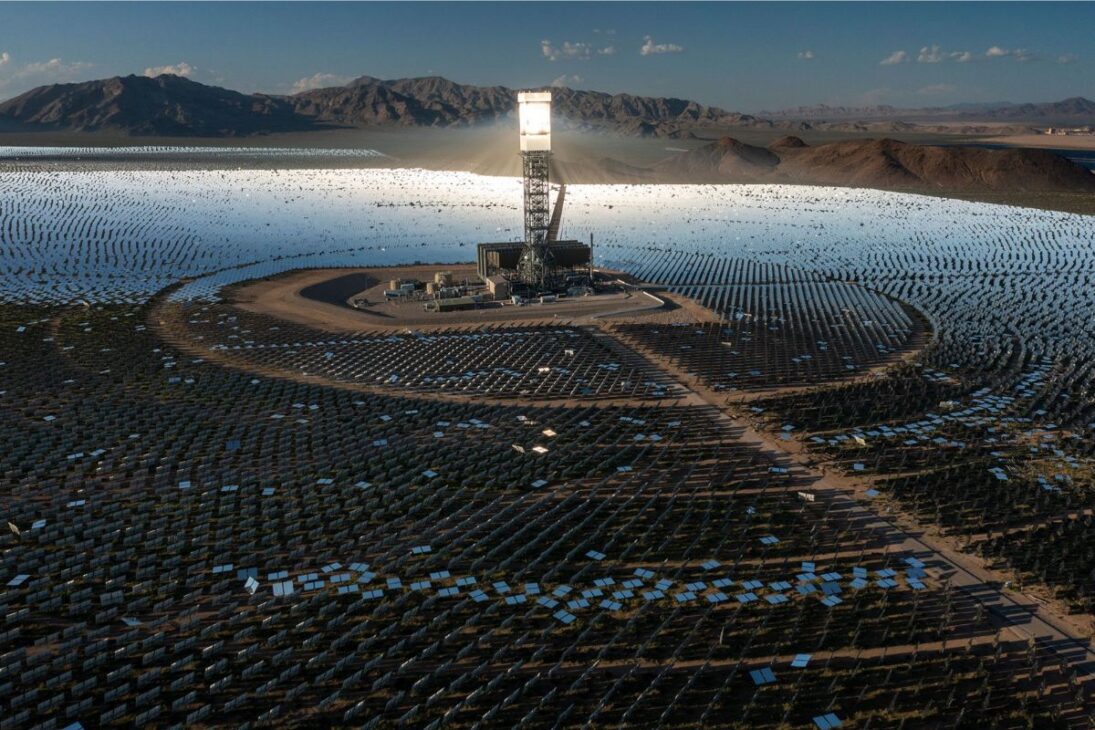
Since the start of operations in 2014, Ivanpah drew attention for its scale and complexity: three 140-meter towers, surrounded by more than 173,000 heliostats (moving mirrors), reflected sunlight to heat boilers at the tops of the towers and generate steam. The proposal was to replace fossil fuels with clean energy, aided by thermal storage. However, the project revealed a fatal flaw: the system turned the site into a true death trap for birds.
According to estimates from biologists and environmental organizations, up to 28,000 birds died each year, cooked alive while flying over the field of concentrating mirrors. The heat generated at the convergence points exceeded 500 °C, enough to cause the instant combustion of feathers. The impact on endangered species, such as the desert tortoise, also sparked protests.
-
Opened in 1980, Shopping Recife was Pernambuco’s first mall and helped transform Boa Viagem into a bustling and sought-after district in southern Recife.

-
Tired of Monthly Water Supply, South African Villagers in Limpopo Connect Mountain Spring to Taps, Bringing Water to 5,000 People with $700 Initiative

-
Rare Case of Neurocysticercosis in Spain: 60-Year-Old Man’s Suspected Brain Cancer Turns Out to Be Tapeworm Cysts, Avoiding Invasive Cancer Treatments

-
Horse Trailer from 2000 Transformed into Mobile Home with Bed, Kitchen, Bathroom, and Workspace in Upcycling Project




Reports from NPR and National Geographic showed that the environmental impact study ignored some of the consequences on local wildlife. In 2016, environmental regulators began to question the project’s viability.
US$ 2.18 Billion and Below-Expectations Performance
The plant had a total cost of US$ 2.18 billion, of which US$ 1.6 billion came from loans from the U.S. Department of Energy. The owners – NRG Energy, BrightSource Energy, and Google – bet on solar tower technology as a promising alternative to photovoltaics. But time has not been kind to Ivanpah.
The maintenance of the thousands of heliostats was expensive, the towers suffered from frequent alignment failures, and thermal losses undermined efficiency. The project, which promised “zero emission” operation, ended up using natural gas to reach minimum temperatures required by the turbines, frustrating advocates of 100% clean energy.
The Final Blow: Expensive Energy in an Era of Cheap Panels
Over time, photovoltaic solar energy — that of standard panels — became increasingly cheaper. According to data from the IEA (International Energy Agency), the average cost per megawatt-hour of photovoltaics dropped more than 80% in the last decade. Meanwhile, Ivanpah, with its outdated technology, continued with energy contracts at fixed prices established in 2014.
It was this difference that led the distributor Pacific Gas & Electric (PG&E) to terminate purchase agreements with Ivanpah in 2025, claiming that “it no longer made economic sense to maintain such expensive agreements when there are better options on the market.”
The DOE report confirms that the project failed to meet expected performance targets, and its commercial viability was seriously undermined by the advancement of competing technologies.
A US$ 2 Billion Boondoggle
Ivanpah has been labeled by critics as a “boondoggle” — an American term describing a costly and useless project funded with public money. In addition to the environmental impact, the plant never delivered the promised energy return. At many times, it operated below 60% of its nameplate capacity, and dependence on natural gas compromised its original proposal.
Engineer David G. Victor from the University of California stated to The New York Times:
“Ivanpah is a hard lesson about the risk of betting big on technologies that have not yet matured.”

What Comes After Ivanpah?
With contract terminations and unit shutdowns, the plant operators are already working on a transition plan. The 13 km² area, already equipped with electrical infrastructure connected to the grid, is expected to give way to simpler projects: fields of photovoltaic panels with lithium batteries for storage, aligned with the global trend of efficient and cheap decarbonization.
This new model follows the path of countries like China and India, which have invested in hybrid solar plants for flexibility and lower operating costs. Ivanpah, which was born as an icon of innovation, now enters history as a warning about technological promises made too soon.


