Portuguese
  Spanish


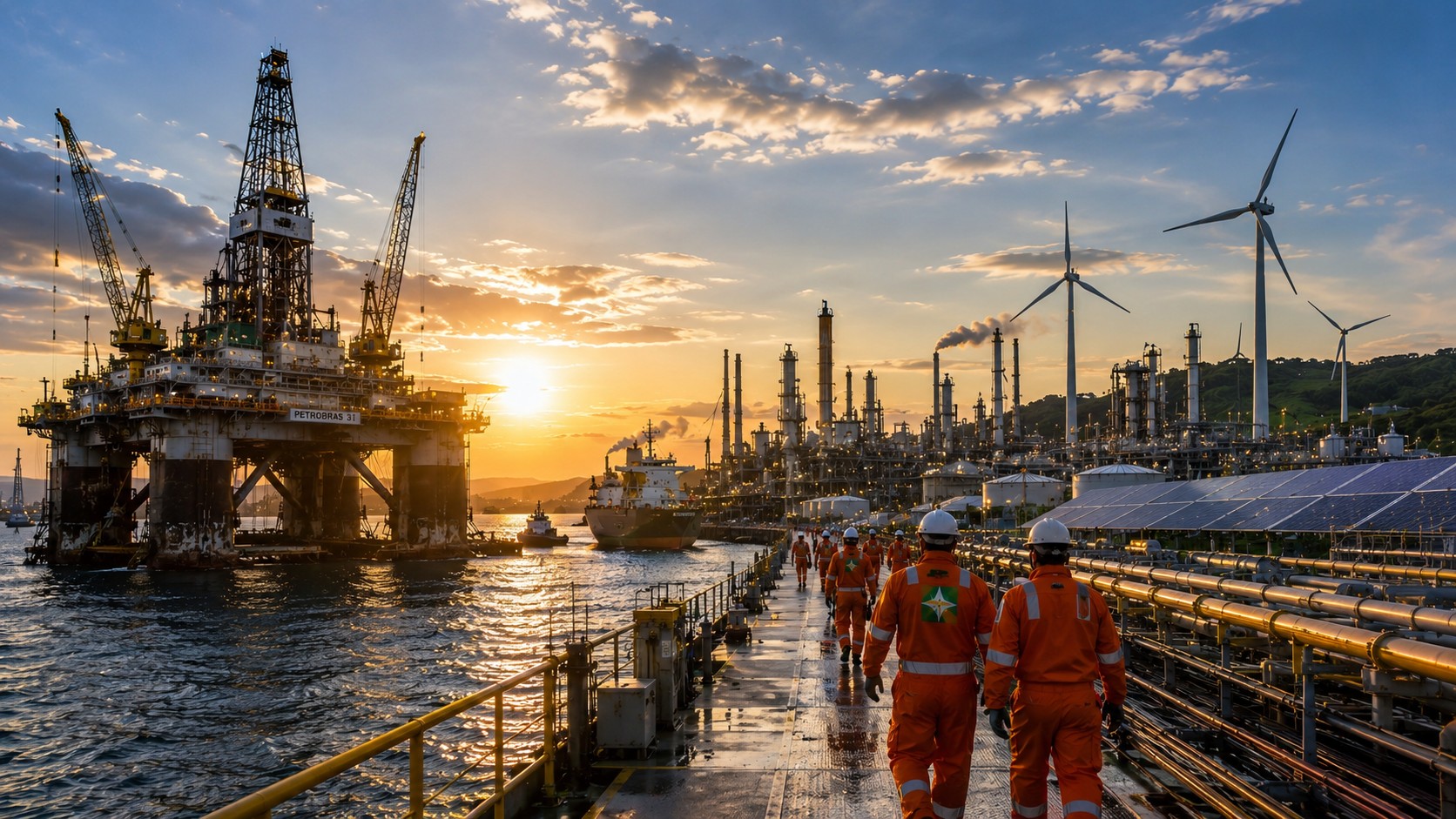

In an interview with CPG Click Oil and Gas, Telmo Ghiorzi stated that Brazil needs to transform commodities into industry, jobs, and economic development while the global energy matrix undergoes a gradual evolution
The CEO of ABESPETRO, Telmo Ghiorzi, stated that Brazil needs to leverage its strength in the oil, natural gas, renewable energy, and mineral resources sectors to drive a new phase of national industrialization. According to him, no country with high socioeconomic development has prospered without building a strong industrial base.
During an interview with CPG Click Oil and Gas, Ghiorzi highlighted that the Brazilian economy still heavily relies on the export of agricultural commodities, minerals, and energy. However, in the executive’s view, Brazil’s challenge is precisely to transform these natural riches into industry, qualified jobs, innovation, and increased revenue.
The leader also drew attention to the strategic role of the oil and gas production chain, especially in light of global discussions on energy transition, offshore production expansion, and the growth of renewable sources.
-
Brazil’s ANP Opens 86 New Oil Blocks in the Equatorial Margin, Expanding the Amazon River Mouth Frontier

-
OPEC+ Boosts Oil Supply by 188,000 Barrels per Day in July 2026, Leading to Price Drop from $112 to $89 per Barrel in Under Two Months

-
TotalEnergies Signs 20-Year Deal to Purchase 2 Million Tons of LNG from Alaska, Boosting Project Viability
-
Turkey Deploys Çağrı Bey Drilling Ship to Explore New Oil Frontier Off Somalia’s Coast



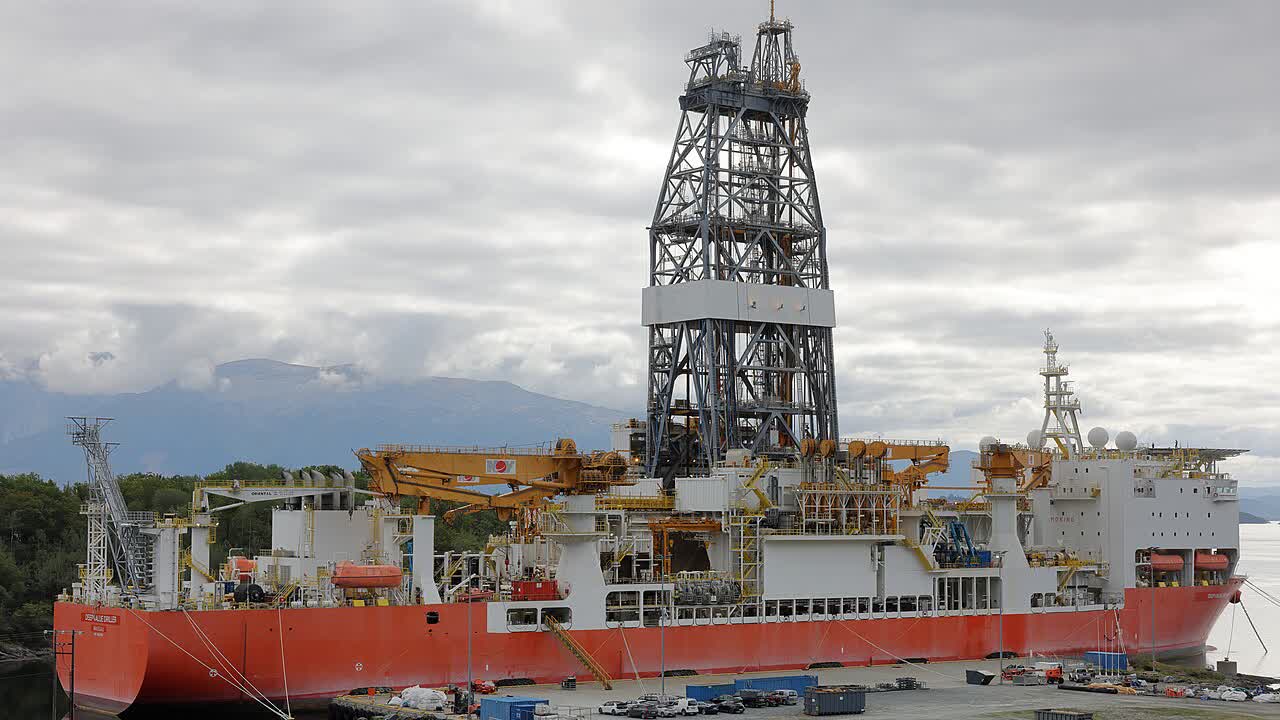


Oil production chain can drive economic development in Brazil
According to Telmo Ghiorzi, the world still does not know exactly what the definitive configuration of the new global energy matrix will be. However, there is one certainty for the sector: any change will depend on a robust production chain capable of providing equipment, technology, engineering, logistics, and specialized services.
In his assessment, Brazil has a rare opportunity to use the pre-salt, offshore oil, natural gas, and renewable energies as engines of industrialization, rather than acting solely as a raw material exporter.
The executive explained that developed countries have historically used their strategic resources to build strong industries, generate qualified jobs, and increase the population’s income.
“It is in industrialization that the socioeconomic development of any country resides,” stated Ghiorzi during the interview.
The position reinforces a growing debate within the Brazilian industry: the risk of the country continuing to depend on the export of basic products while importing high-value-added equipment.

Oil crisis, pandemic, and recovery of the Brazilian industry
Telmo Ghiorzi also recalled the impacts suffered by the oil and gas chain after the economic crisis that began in 2014, a period marked by the drop in international oil prices, reduction of investments, and halting of various industrial projects.
According to him, when the sector began to show signs of recovery in 2019, the Covid-19 pandemic once again strongly affected the global economy and caused a new impact on industrial activity.
Despite this, the executive stated that the sector finally managed to return to the level observed in 2010, considered an important growth period for the Brazilian offshore industry.
Even so, Ghiorzi believes that Brazil has the capacity to advance even further in the coming years, especially with new offshore projects, expansion of pre-salt production, and strengthening of exports of specialized goods and services.
Equatorial Margin and Pelotas Basin enter the radar of the oil sector
During the interview, the president of ABESPETRO commented on the exploratory potential of the Equatorial Margin and the Pelotas Basin, two regions that are attracting increasing attention from the oil industry.
He stated that a new growth cycle similar to the boom experienced between 2005 and 2010 could only occur if these areas present oil discoveries comparable to the Brazilian pre-salt reserves.
Although he considers this scenario unlikely due to the geological characteristics of these regions, Ghiorzi highlighted that the country already has a more prepared production chain to compete internationally.
According to him, Brazilian companies in the energy sector goods and services are beginning to expand their export capacity, bringing technology, engineering, and technical knowledge to other markets.
This movement can generate new industrial jobs and reduce the exclusive dependence on the domestic market.
“Energy transition” does not mean the end of fossil fuels, says executive

Another point raised by the executive was the discussion around the so-called global energy transition. For Ghiorzi, the term “evolution of the energy matrix” better represents the current moment experienced by the sector.
In his view, the word “transition” often conveys the idea of a world completely free of fossil fuels in a few decades, something he considers unlikely.
According to the leader, it is more likely that the planet will undergo a gradual process of inclusion of renewable sources, while oil and natural gas continue to play a relevant role for many years.
Renewable fuels, biofuels, solar energy, wind energy, and green hydrogen are expected to gain space. However, the oil and gas industry will remain essential to sustain the global economy and ensure energy security.
The position aligns with debates held in major international energy forums, where various experts advocate for a more gradual and balanced transition between fossil and renewable sources.
Brazil tries to balance oil, renewable energy, and industrialization
The statements by Telmo Ghiorzi come at a time when Brazil is expanding investments in offshore oil, renewable fuels, and energy infrastructure.
Companies in the sector have been strengthening projects related to pre-salt, natural gas, fertilizers, carbon capture, green hydrogen, and sustainable aviation fuels.
At the same time, industrial entities are pushing for public policies that strengthen the national production of equipment, machinery, and specialized services.
For ABESPETRO, the growth of the energy sector needs to be accompanied by the expansion of Brazilian industry, preventing the country from being limited to exporting natural resources without adding value to the economy.