






 Portuguese
  Spanish


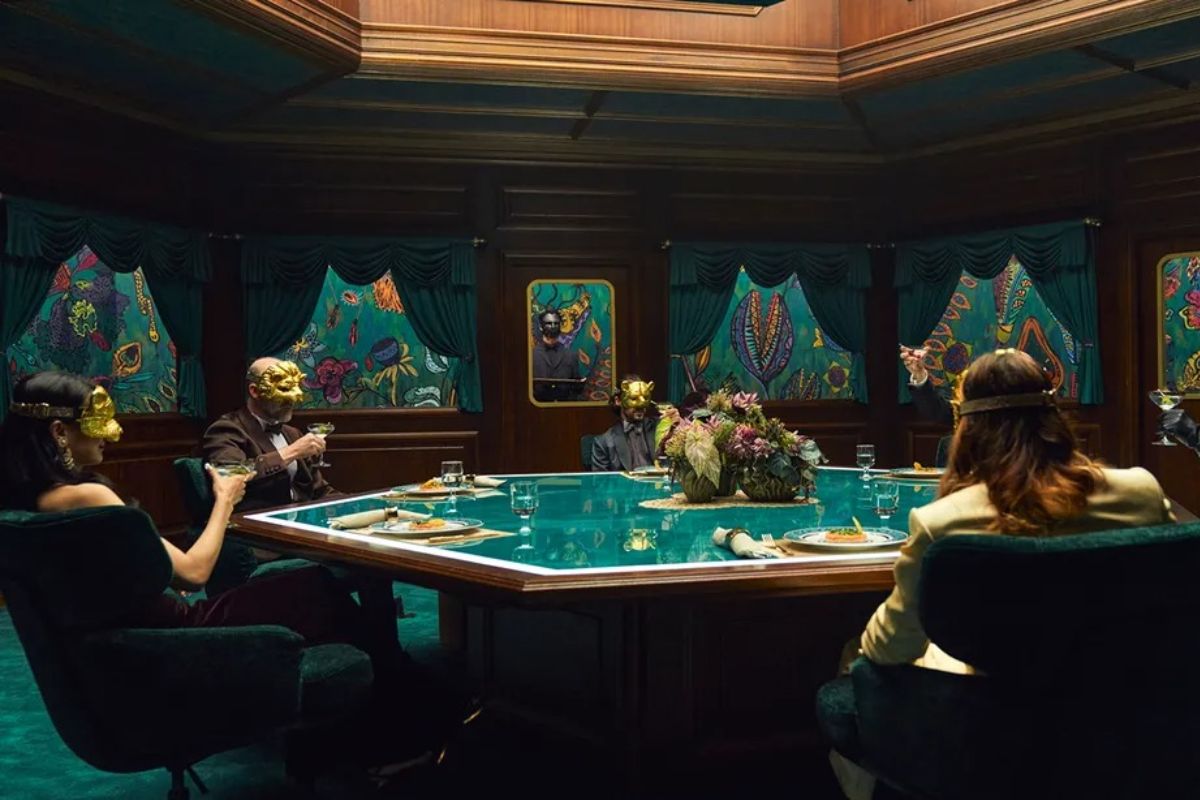


The Idea That the VIPs of Round 6 Were Inspired by a True Story Is a Myth; The True Origin, According to the Creator of the Series, Is a Powerful Allegory About Capitalism and Inequality.
The VIPs, the masked moguls who watch the deadly games of Round 6 for fun, have become some of the most iconic villains in pop culture. The image of an elite betting on the life and death of indebted people is so shocking that many fans believe it was inspired by a true story.
However, according to interviews with the creator of the series, Hwang Dong-hyuk, for publications like Variety, the inspiration did not come from a specific case, but from a profound and acid critique of modern capitalist society. The VIPs of Round 6 are a symbol, not a portrait of a real secret club.
The Myth of the “True Story” That Went Viral
The theory that the VIPs of Round 6 were based on a real group that promoted deadly games for the elite spread quickly on the internet. Articles on sites like “Aventuras na História” explored this thesis, fueling the public’s imagination.
-
Brazilian Entrepreneur Turns Door-to-Door Jewelry Sales into a Family Business Empire with Over 70 Stores

-
$75 Million Bridge in Brazil Opens to Connect Cities, Create Jobs, and Cut Travel Time from 30 to 2 Minutes; Spanning 1.24 km, It’s Among the Country’s Largest and Ends Decades of Ferry Queues.

-
Brazilian Farmer Builds 8-Ton Tractor from Army Truck Engine, Plants Over 100 Hectares of Soybeans
-
11-Year-Old Entrepreneur Turns Fear of Bees into Honey Lemonade, Wins $60,000 on Shark Tank, Secures Whole Foods Deal, and Expands Brand Across U.S. Stores




However, this interpretation, while appealing, is sensationalist. An analysis of the creator’s statements shows that the origin of the idea is much more symbolic and personal.
The True Origin: What the Creator of Round 6 Really Said
Hwang Dong-hyuk began writing the script for Round 6 in 2008, a time when he and his family were facing financial difficulties. The series, according to him, was born from his own reflections on debt and extreme competition in modern society.
He describes the work as a fable about capitalism. The children’s games, transformed into a deadly arena, are a metaphor for the brutal fight for jobs and survival, where defeat can mean complete ruin.
The VIPs as a Symbol of the Dehumanized Global Elite
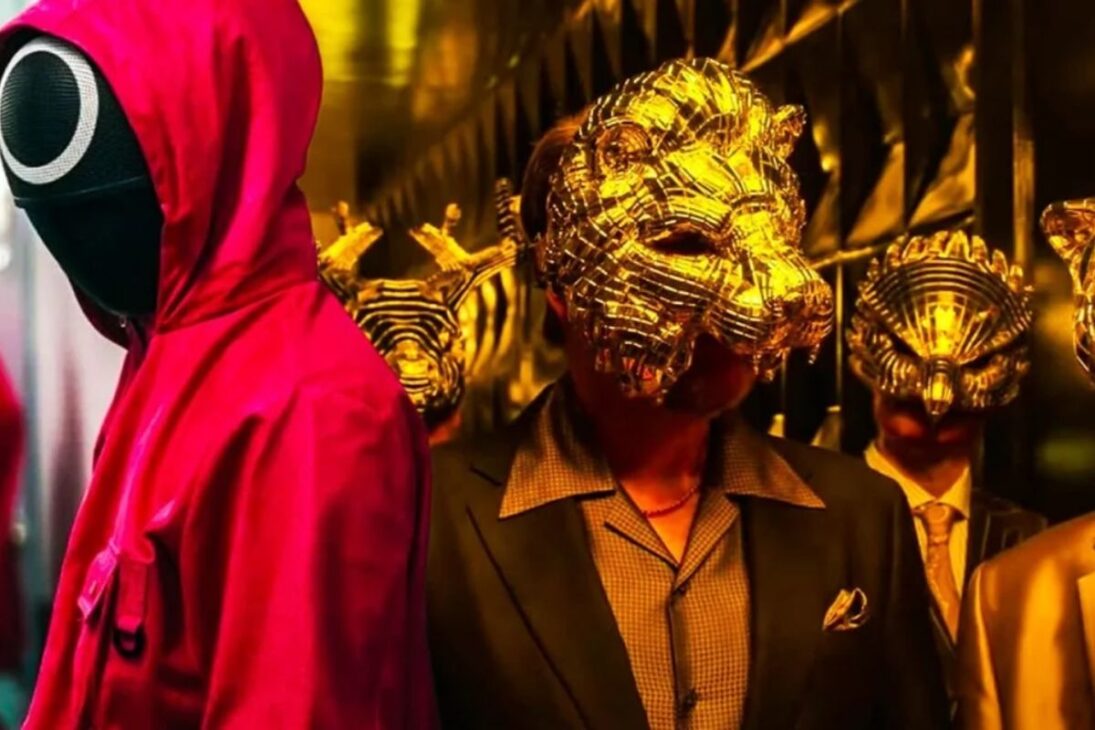
Within this great allegory, the VIPs represent the pinnacle of power and indifference. Hwang described them as figures resembling “gods” who manipulate and play with the suffering of the weaker, treating human life as a sport, as if the participants were horses in a race.
The use of golden animal masks symbolizes the loss of identity and humanity in exchange for status and power. The fact that they mostly speak in English positions them as a globalized elite, reinforcing the critique of an international capitalist system.
The South Korean Context: Debts, Crises, and the “Chaebols”
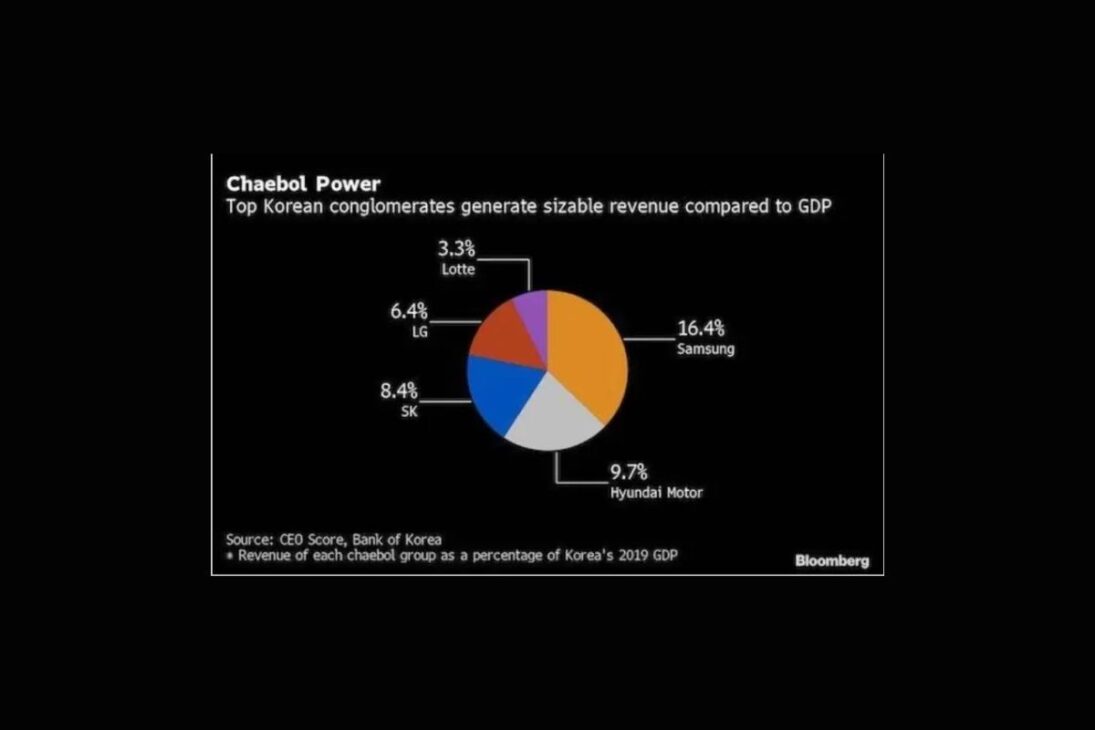
The critique of Round 6 resonates so strongly because it is rooted in the social reality of South Korea. The country, while being an economic powerhouse, has experienced the trauma of severe financial crises, such as in 1997 and 2008, which deepened inequality and the indebtedness of families.
Moreover, South Korean society is marked by the strong influence of the “chaebols”, large family-run industrial conglomerates like Samsung and Hyundai. The immense power of these groups is often associated with scandals, fueling the perception of an elite operating above the law, a sentiment perfectly captured by the VIPs in the series.
The Verdict: A Powerful Social Critique, Not a Literal Fact
The analysis of the facts and the creator’s statements of Round 6 makes it clear: the VIPs are not based on a true story. They are a symbolic creation, a narrative tool to criticize the dehumanization, voyeurism, and indifference of a global elite that, disconnected from reality, watches from the sidelines the struggle for survival of the less fortunate.


