






 Portuguese
  Spanish


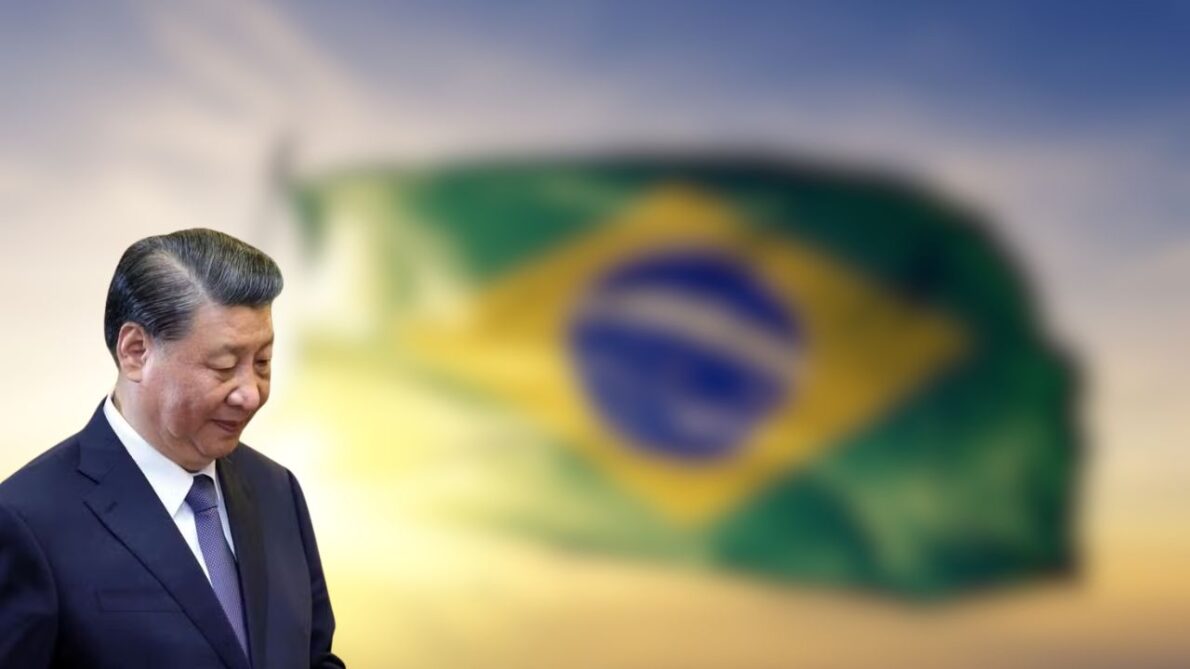

Brazil Expects To Open New Markets In China With Xi Jinping Visit. Negotiations Between Brazil And China Could Unlock Brazilian Agriculture And Open The Doors Of The Asian Giant To New Products.
Get ready for one of the most anticipated visits of the year! The Chinese President, Xi Jinping, is about to land in Brazil in November, and expectations couldn’t be higher. With a suitcase full of promises (and perhaps some surprises), this visit has everything to revolutionize trade between Brazil and China, especially in the agriculture sector.
Brazil is already aiming to secure the release of products such as bone-in beef, beef offals, and peanut meal, items that could expand Brazil’s presence in the Chinese market. The negotiation with Xi Jinping involves more than a dozen products, including sorghum, fresh grapes, sesame, and fish meal. All of this aims to meet China’s enormous and growing demand for food and commodities.
New Commercial Frontiers With Xi Jinping Visit
During Xi Jinping’s visit, various trade agreements are expected to be formalized, which could further enhance commercial relations between Brazil and China. According to the acting Minister of Agriculture, Roberto Perosa, the relationship between the two countries is at its best moment, opening doors for strengthening partnerships in the agricultural sector.
-
The Arctic is no longer just a frozen region and is becoming a new military board with the opening of maritime routes, expansion of bases, nuclear icebreakers, and competition among Russia, NATO, the United States, and China.

-
U.S. Dismisses Brazilian Foreign Ministry’s Military Risk Warning as “Absurd,” Cites Brazilian Criminal Gangs Operating in the U.S. Since May 2026
-
Ukraine War Impacts Brazilian Fuel Supply: Russian Diesel Imports Drop 65% in June, Brazil Turns to US and India Amid Market Concerns

-
Chinese Nuclear Submarine Launches Simulated Warhead Missile in Pacific, Heightening Regional Tensions Amid Naval Drills with Russia Near Qingdao; New Zealand and Papua New Guinea Warn of Persistent Chinese Military Presence




The Brazilian agribusiness, known worldwide for its high production capacity, sees in China not just a large consumer market, but also a strategic partner in the development of technologies that can make the sector more efficient and sustainable. With the expectation of consolidating Brazil as one of the largest food suppliers in the world, Xi Jinping’s visit represents a golden opportunity to strengthen trade ties and explore new opportunities.
Brazil And China: A Strategic Partnership
This visit is more than diplomacy. It is a chance for Brazil to expand its exports and further establish itself as a leader in global agribusiness. With the interdependence between Brazil and China growing rapidly, Brazilian agribusiness could benefit from a greater opening of the Chinese market, especially with high value-added products, further diversifying the list of commodities that the country already exports to China.
Now, we just have to wait for the fruits this negotiation will bring. With the agreements finalized, Brazil can not only increase its presence in the Chinese market but also enhance its global influence in the food and commodities sector, reaffirming the importance of relations with Xi Jinping and China.
Now, the question remains: could this visit from Xi Jinping mark a new chapter in commercial relations between Brazil and China, further boosting Brazilian agribusiness? What do you think might change with these new agreements?







