Portuguese
  Spanish


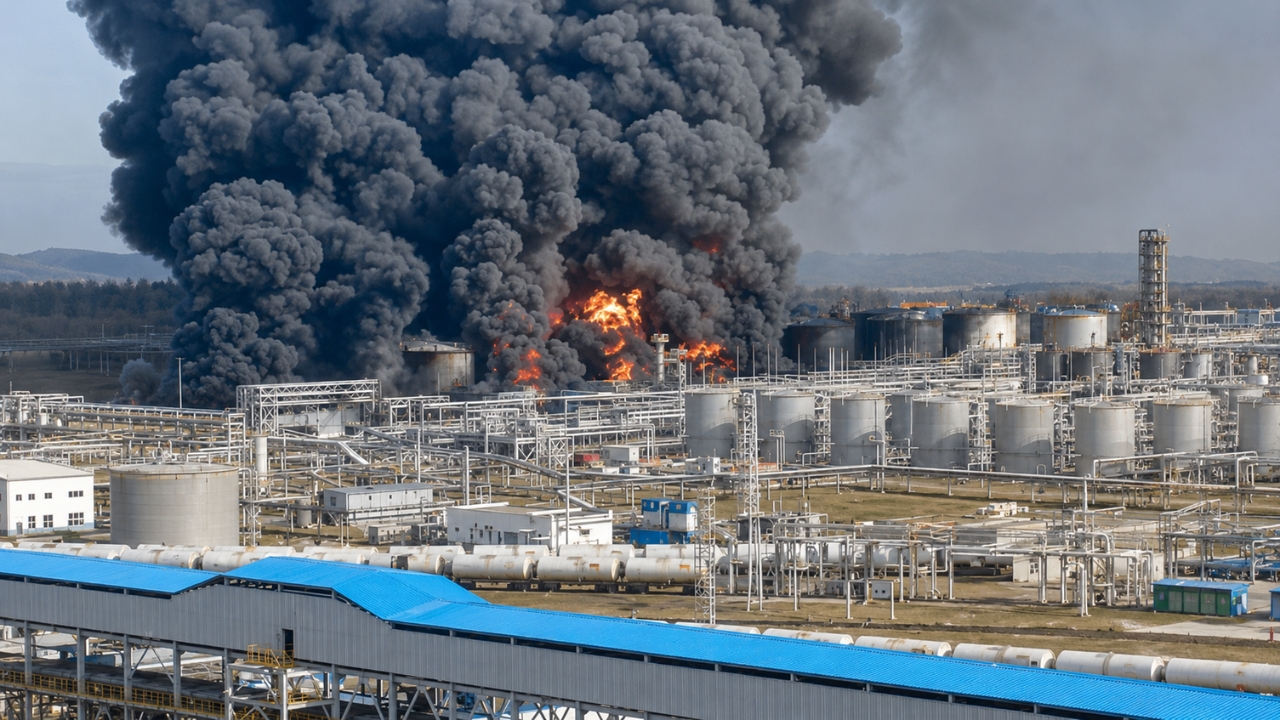

The drop in Brazilian diesel purchases from Russia shows how the war in Ukraine has begun to affect the fuel supply routes that serve the country. With less product available, Brazil has increased purchases from other suppliers and heightened attention to prices and stocks.
The war has reached the tank.
For months, Russian diesel emerged as an important outlet for Brazil. The fuel arrived in large volumes, helped complete national supply, and occupied an increasingly larger space in the external market purchased by the country.
But this flow changed abruptly.
-
Chinese Nuclear Submarine Launches Simulated Warhead Missile in Pacific, Heightening Regional Tensions Amid Naval Drills with Russia Near Qingdao; New Zealand and Papua New Guinea Warn of Persistent Chinese Military Presence

-
Ayatollah Ali Khamenei’s Funeral Draws 15 to 20 Million in Tehran, Calls for Revenge Against Trump After Joint Israel-U.S. Attack

-
U.S. Establishes Permanent Embassy in Jerusalem, Reigniting International Debate Over Israel’s Capital
-
The world has nearly 12,000 nuclear warheads, with the majority held by the United States and Russia; see the figures for China, France, and the United Kingdom.


In June 2026, Brazilian imports of diesel from Russia plummeted 65% compared to May. The volume fell from more than 1 billion liters to 360.97 million liters, according to data compiled by Agência eixos, a publication specializing in the energy sector.
The drop was not just a spreadsheet movement. It showed how a distant war can cross oceans, enter the fuel chain, and affect a sensitive part of the Brazilian economy.
The dominant supplier became uncertainty
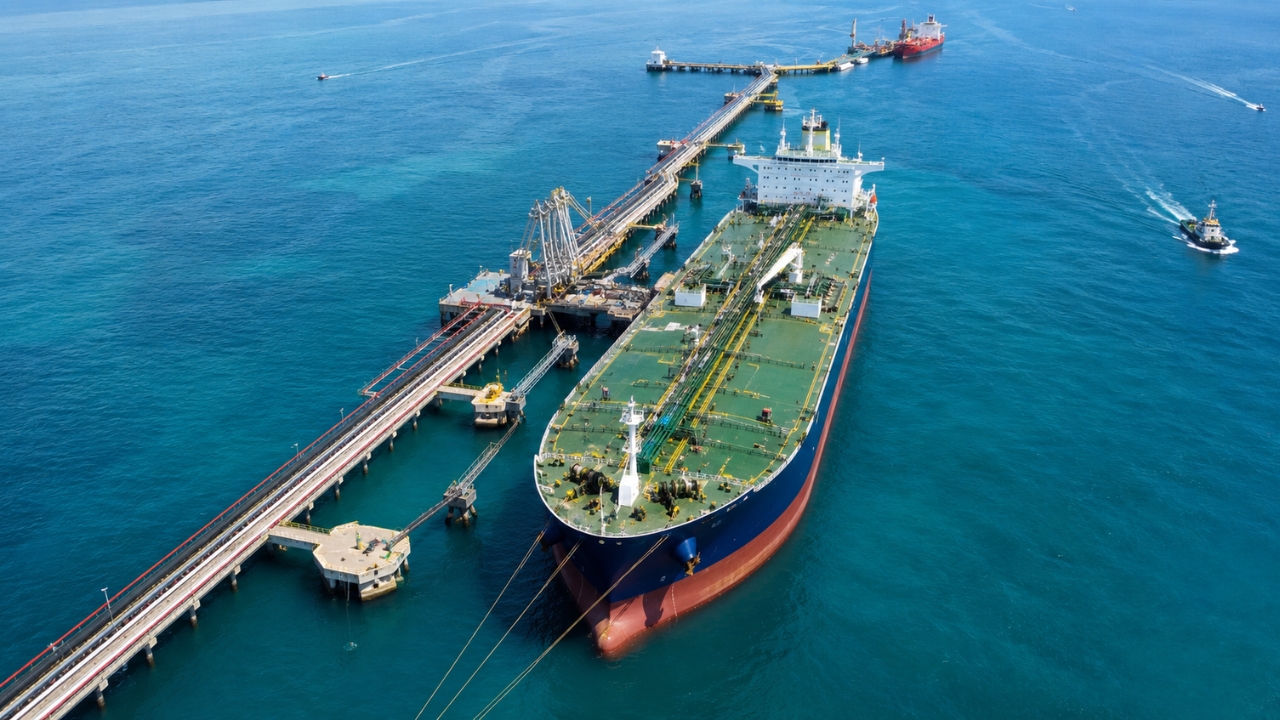
Shortly before the drop, Russia still appeared as the main source of diesel imported by Brazil. In April, the European country accounted for 1.1 billion liters of the 1.2 billion liters purchased abroad.
It was almost the entire imported volume.
This weight made Russian diesel strategic for distributors, transporters, farmers, and any sector that depends on trucks, machines, and logistics. The problem is that the same source that helped compose the supply began to carry a greater risk.
The war with Ukraine affected the availability of Russian product in the international market. In addition to higher internal demand in Russia itself, refineries and export terminals began to suffer attacks amid the conflict.
Attacks on refineries tightened supply
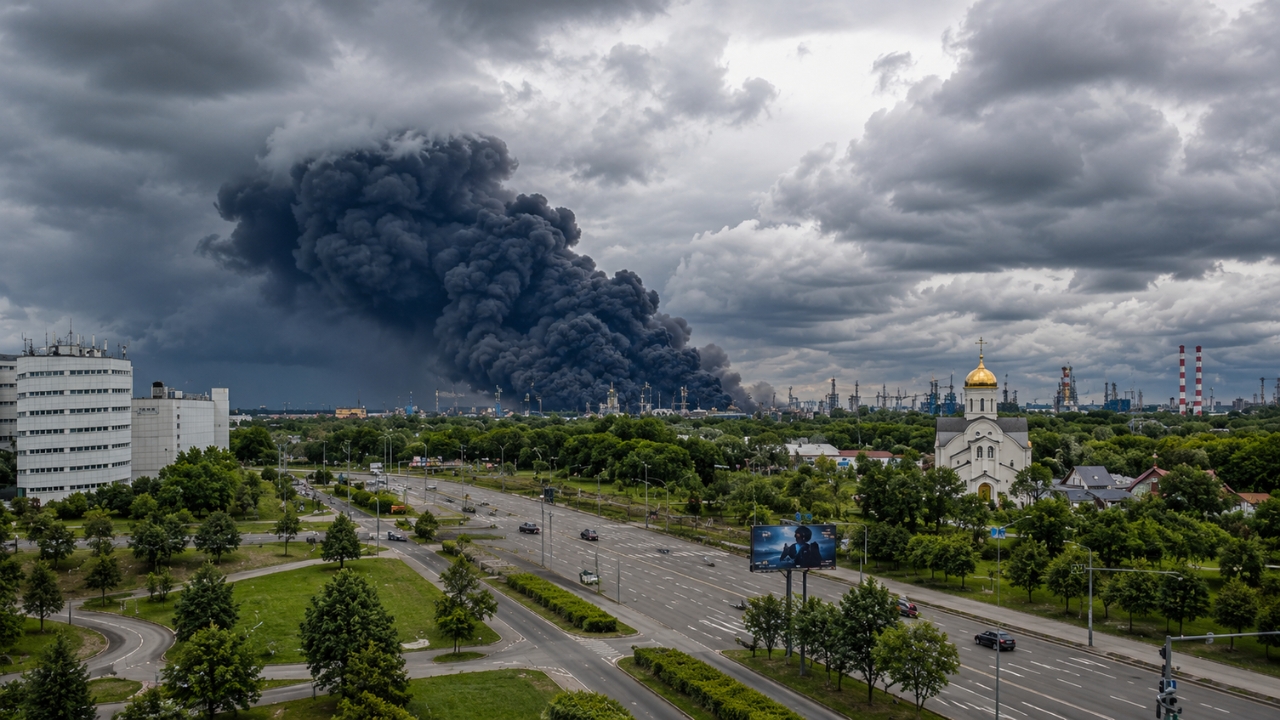
One of the most symbolic episodes occurred at the Omsk refinery, the largest in Russia. According to Reuters, an international news agency, Ukrainian drones hit the unit, which has the capacity to process about 460,000 barrels per day.
After the attack, drivers lined up for fuel in the city. Russian authorities also acknowledged a more pressured domestic market due to seasonal demand and unscheduled maintenance.
This is the central point of the story. Brazil does not only depend on the international price of oil. It also depends on functioning refineries, open routes, liberated exports, and suppliers capable of delivering.
When one of these pieces fails, the effect reaches the Brazilian market.
Brazil rushed to other suppliers


With less Russian diesel available, Brazil had to change its purchasing route. Between May and June, imports from the United States grew by 74%, according to Agência eixos.
India also came onto the radar as an alternative. For July, the preliminary expectation cited in the sector indicated a very different scenario from that seen months before: about 18% of imported diesel coming from Russia, between 75% and 78% from the United States, and 5% from India.
In practice, Brazil moved from concentrated dependence to a race for substitution.
This does not mean that the country ran out of diesel. But it shows that supply began to depend on a quick reorganization, in an international market already pressured by war, sanctions, attacks, and competition for fuel.
The impact appears in price and risk

Brazil produces a large part of the diesel it consumes, but still needs to import about 25% of the fuel, according to information cited by Reuters. This imported portion makes the country vulnerable when there is an external shock.
The National Petroleum Agency had already reported that it did not identify a national shortage, but was monitoring stocks and imports to avoid problems.
This detail changes the tone of the news. The alert is not about empty gas stations overnight. The alert is about exposure. When a significant portion of diesel comes from abroad, any tension with major suppliers can increase uncertainties, change trade routes, and pressure costs.
In the end, the drop in Russian diesel reveals something bigger than a monthly fluctuation. It shows that a war fought far from Brazilian roads can affect the fuel that moves trucks, food, construction, agricultural machinery, and part of the country’s economic routine.
The diesel that seemed just cheaper has become an uncomfortable reminder: in a world in conflict, even the Brazilian tank can feel the impact of a refinery hit on the other side of the planet.