






 Portuguese
  Spanish


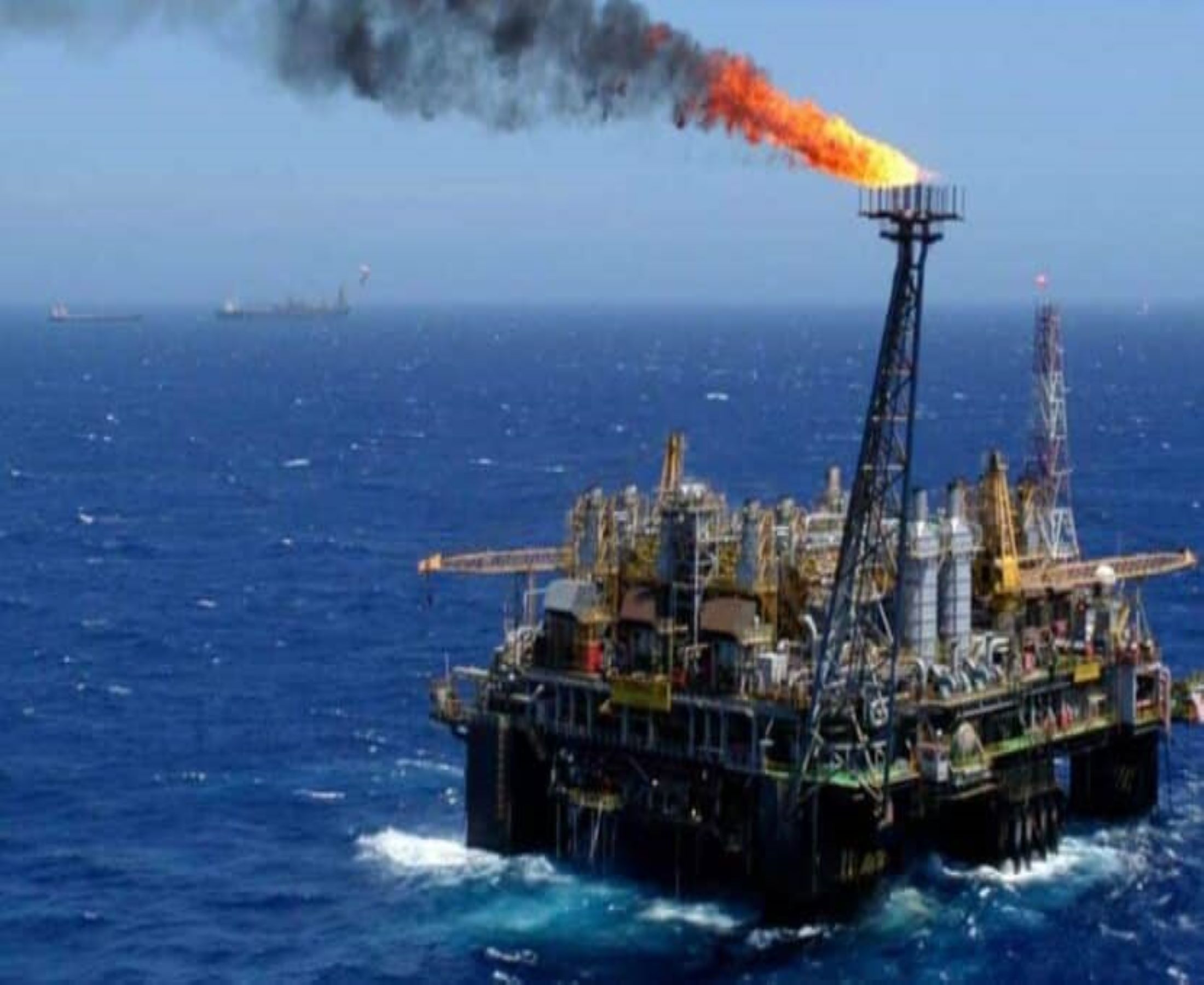

Document Contains Suggestions from Independent Producers for the Continuity of Actions Such as Petrobras’ Divestment Program, Reate and Promar
The Brazilian Association of Independent Oil and Gas Producers (ABPIP) delivered this week to the campaign managers of the presidential candidates a document containing proposals aimed at building an efficient agenda focused on the oil and gas sector, based on the pillars of transparency, speed, and simplification, seeking to strengthen the sector and increase its contribution to job and income generation for the country.
In addition to explaining the role of independents in the oil and gas sector, the document brings suggestions that involve topics such as Petrobras’ Divestment Program, the continuation of actions established in the REATE and PROMAR programs, the exploration and production of unconventional reservoirs, environmental licensing, the restructuring of the ANP, and recommendations for greater efficiency in the New Gas Market.
According to Anabal Santos Jr., Executive Secretary of ABPIP, the goal of the Association is to promote a more competitive environment with the regulatory simplification and speed that current times demand. “The oil and natural gas sector is a key driver of the Brazilian economy, due to the substantial investments and socioeconomic impact it provides. To give you an idea, in the exploration and production sector alone, investments of about US$ 175 billion are projected for the period from 2023 to 2030, generating 570,000 direct and indirect jobs each year,” he explained.
-
Petrobras to Double Natural Gas Supply in Northeastern Brazil with New Investment

-
Petrobras Approves $1.2 Billion Refinery in Brazil to Produce Aviation Fuel and Diesel from Plants
-
Petrobras Secures $2.2 Billion Contract to Build and Operate Four Support Vessels for Brazil’s Offshore Oil Fields
-
Oil production grows in Rio, but reserve replacement raises a warning sign



Moreover, according to the executive, independent companies have been showing high potential and operational efficiency in the exploration and production of oil fields both offshore and onshore, and their operations are of great importance for Brazil, contributing to the collection of royalties, taxes, and job creation.
Source: Simone Azevedo Comunicação


