






 Portuguese
  Spanish


Are We Protected? Secret Document Reveals the True Capacity of the Brazilian Armed Forces Against Possible Venezuelan Attacks.
Have you ever stopped to think if Brazil is prepared to face a real threat at its borders? Recently, a secret document brought to light intriguing information about the country’s defense capacity against possible incursions from Venezuela. This report, sent by the Ministry of Defense to the Chamber of Deputies, reveals crucial details about the strategies and readiness of the Brazilian Armed Forces. It is a confidential document.
Check below for an in-depth analysis and find out if we are really protected or if there are reasons for concern. Get ready for a revealing reading that goes beyond the headlines, offering a privileged view of national security.
Secret Document with the Response from the Ministry of Defense to the Chamber of Deputies, Informing Whether Brazil Has the Capacity to Defend Itself Against Venezuela. Find Out Now!
A letter was released sent by Brazil’s Minister of Defense, José Múcio of PRD, with the assistance of Admiral Felix, Chief of Staff of the Joint Armed Forces, to the first secretary of the Chamber of Deputies, Luciano Bivar of PSL.
-
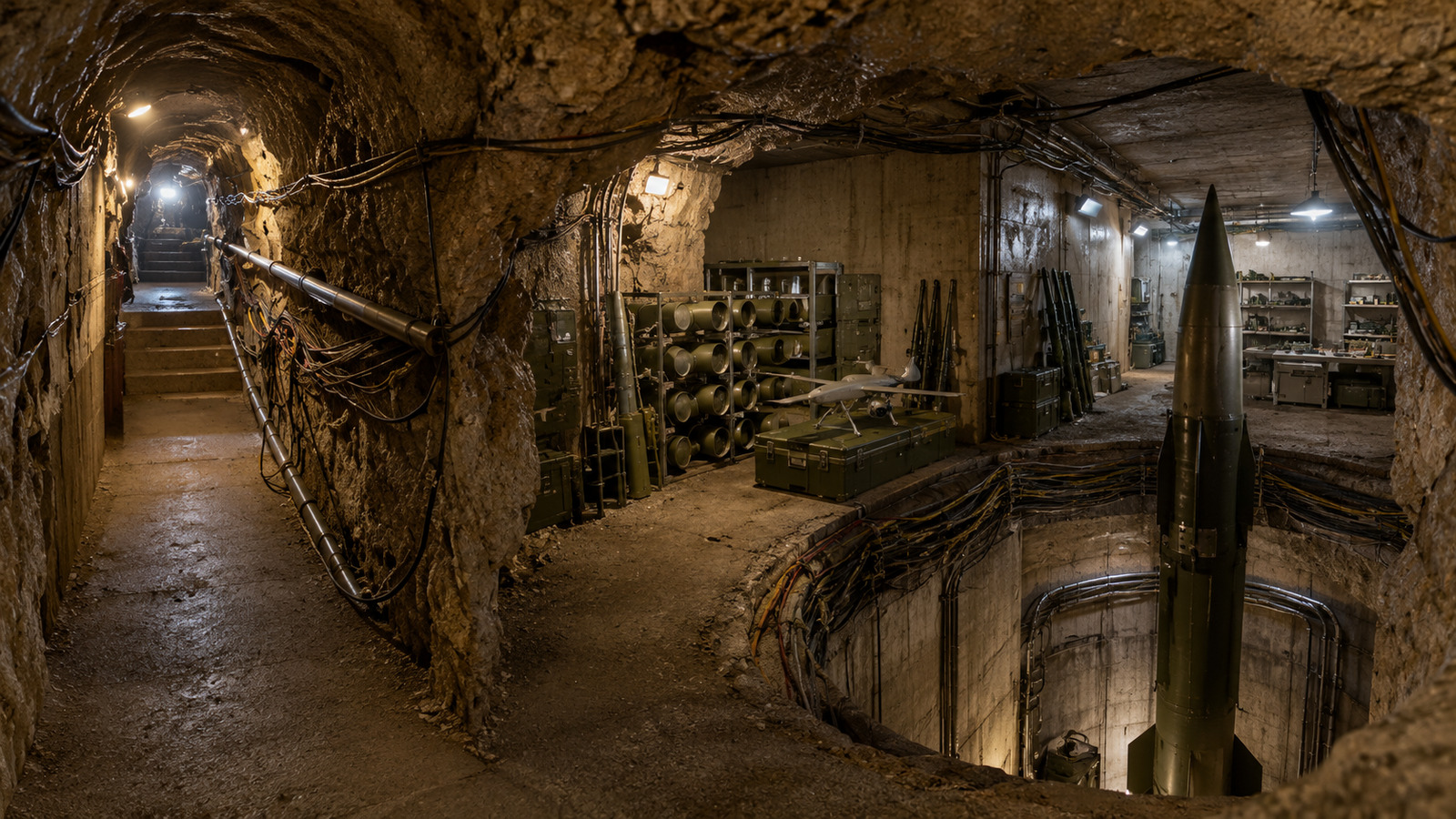
Israel finds Hezbollah militarized tunnel over 200 meters long under village, with 4 missile launch shafts, 12 chambers, anti-tank missiles, drones, and weapons depots at a depth of 25 meters.

-
Ukraine launches largest drone attack on Moscow since 2022, Russia claims to have intercepted nearly 200 aircraft near the capital, Kapotnya refinery targeted again, and offensive reignites alert about war reaching the Russian energy heart just a few kilometers from the Kremlin.

-
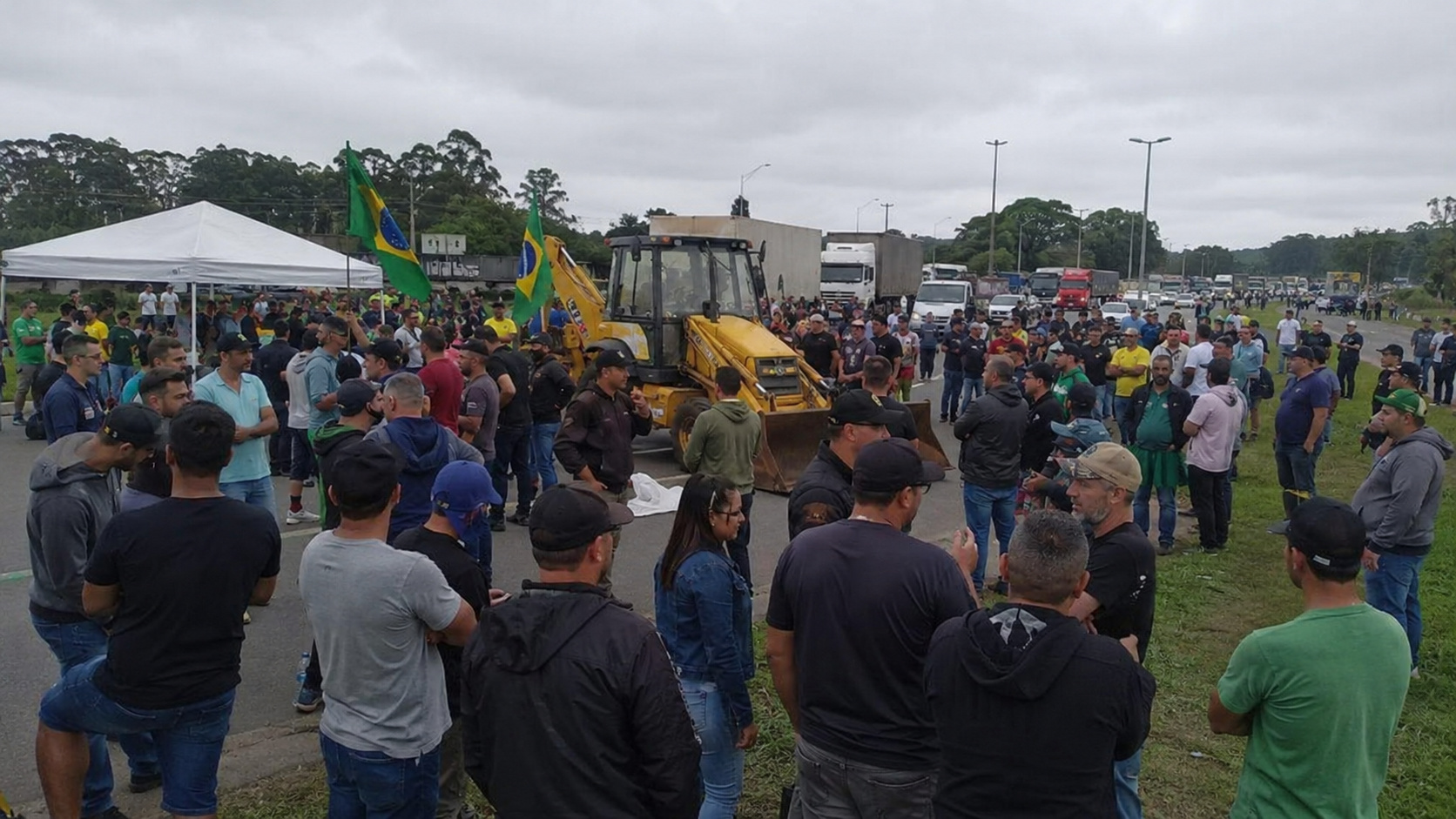
Truck drivers, freight, and fines from 2022 take center stage in politics: Chamber approves MP with amnesty, mandatory tracking by CIOT, million-dollar penalties, and new minimum wage for those who spend more than 24 hours on the road.

-
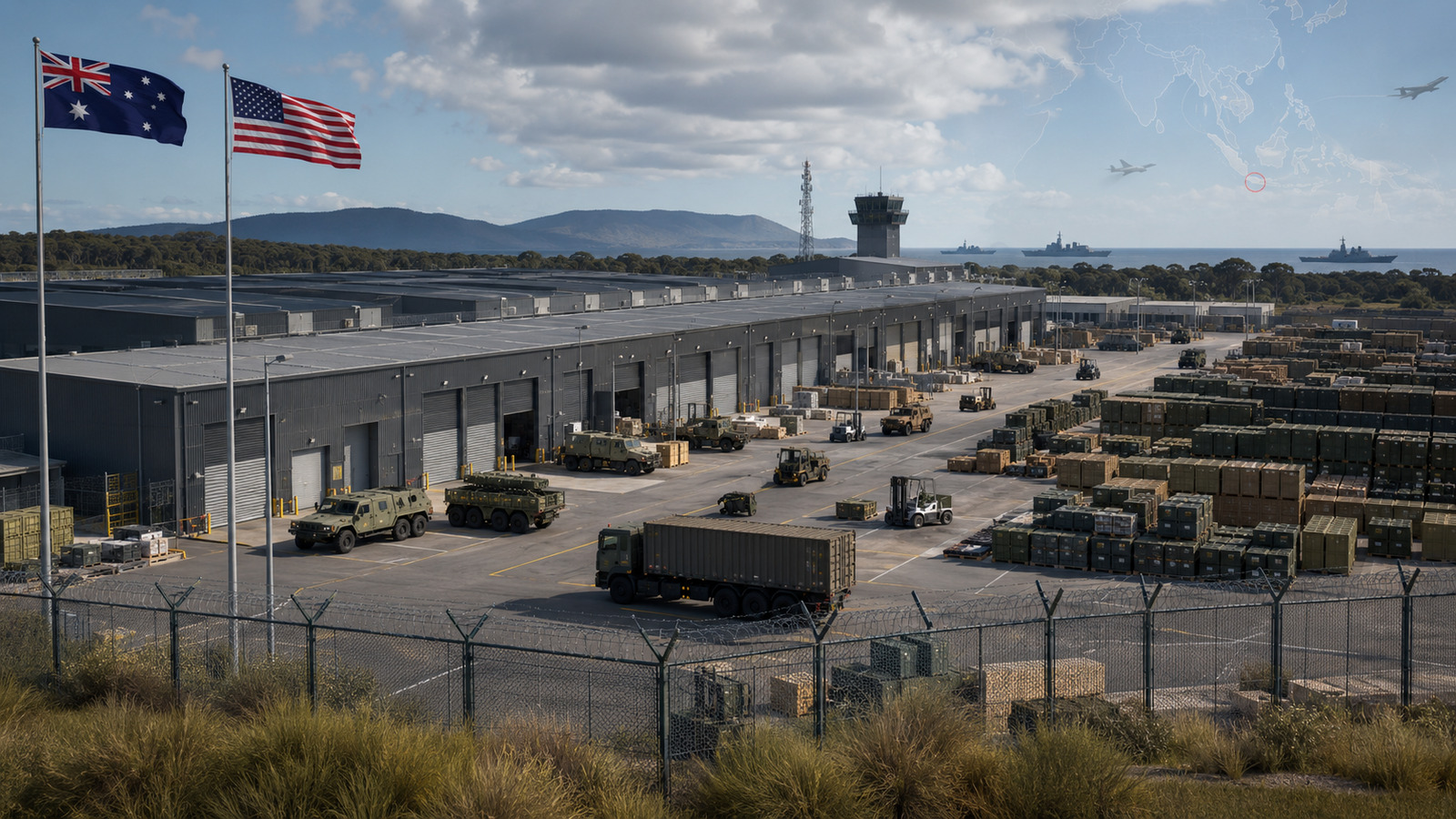
China off the radar: US plans mega $30 million weapons depot in Australia, out of reach of most Chinese missiles, with full capacity expected by 2028

This document responds to a series of inquiries made by federal deputy Luiz Felipe de Orleans e Bragança of PL regarding Brazil’s defense capabilities, specifically in relation to the state of Roraima, amid tensions between Guyana and Venezuela.
Military Intelligence Attentive to Threats?
Question 1 from the Chamber of Deputies: Are military intelligence services attentive to and evaluating the evolution of events?
Response from the Ministry of Defense: In the context of the Essequibo issue, Defense intelligence activities work on capturing reality and identifying threats to produce knowledge that can guide the employment of Military Power, as observed in the recent mobilizations of troops and resources from the Brazilian Army to the state of Roraima. The Defense specifically refers to the intelligence services of the Armed Forces and not to ABIN.
Venezuela on the Move: What Do the Reports Say?
Question: How does the Ministry evaluate the possibilities of progress for Venezuelan forces?
Response: No unusual troop movements from either country have been observed near our borders. However, there are videos showing large military exercises by Venezuela in the region, indicating a disconnection from reality.
Defense of Brazil: Can Venezuelan Armored Vehicles Advance?
Question: How does the Ministry evaluate the possibility of the Mechanized and Armored Forces of Venezuela bypassing the marshy terrains through northern Roraima to quickly achieve their objectives?
Response: The Armed Forces are strategically positioned and in a state of permanent readiness. The idea of reinforcing the garrisons in Roraima was already planned, given that the region faces issues such as illegal mining and transnational crimes. The response was diplomatic.
Combat Capacity of Venezuela: Are We Prepared?
Question: How does military intelligence evaluate Venezuela’s real combat capacity, and how does the National Defense intend to ensure the inviolability of national territory?
Response: The Armed Forces and the Bolivarian National Guard have sufficient capabilities to perform internal security tasks and protect the regime, despite economic challenges, low equipment availability, and limited training levels. The logistical capacity for missions outside the country is limited. The equipment is relatively modern, largely from China and Russia, with recent renovations and maintenance and modernization agreements. The Defense concludes by mentioning that Venezuela possesses fifteen F-16 fighter jets, twenty-one operational Sukhoi Su-30 fighter jets, and two high-altitude S-300 anti-aircraft artillery systems, citing only data from open sources on the internet.
Reinforcement in Roraima: Is the Contingency Plan Sufficient?
In the fifth question, the Chamber of Deputies presented an extensive but essential inquiry, which I believe all Brazilians concerned about national defense would like to have asked the Minister of Defense during this crisis:
Question: A Jungle Infantry Battalion and a field artillery group in Roraima do not seem sufficient to stop the Venezuelan armored advance. What is the contingency plan for reinforcing that region? Are there enough aircraft and ships to transport troops and equipment to the area? Are there plans for troop movement by land? Specifically regarding the Army’s rapid deployment forces, what is the strength and minimum time required to be deployed in the area in question? What is the best way to counter the T-72? Is there provision for anti-tank weapons and anti-tank mines? What is the idea of deterrence in announcing 20 light armored Guaicurus for Roraima?
Response: The Armed Forces are strategically positioned and in a state of readiness, fulfilling their respective constitutional missions to guarantee the sovereignty of national territory.
Did the Ministry of Defense Anticipate That This Secret Document Would Be Leaked at Some Point, as Actually Happened, and Therefore Chose Not to Provide Specific Details and Numbers About Our Capabilities?
The Chamber also asked questions about Gripen fighters against Venezuelan anti-aircraft defense systems and about the use of submarines against Venezuelan naval forces. The responses were diplomatic and generic, not directly addressing the issues.
It is understandable that the Ministry of Defense anticipated that, upon sending the response to the Chamber, there would be a high possibility of this document being leaked, and therefore could not provide specific details and numbers about our capabilities. However, the superficiality of the responses left room for the concern of the Chamber of Deputies regarding Brazil’s real defense capacity.
Check the full document HERE.







Be the first to react!