






 Portuguese
  Spanish
  5 min of reading
  0 comments


An Iranian embassy published an artificial intelligence video in which Christ the Redeemer fights and defeats the Statue of Liberty, throwing the American monument down the mountain. The propaganda piece emerges shortly after the Trump administration threatened to impose 25% tariffs on Brazilian products amid growing diplomatic tensions.
The Christ the Redeemer, one of the world’s most recognized landmarks, has become a character in an unexpected war propaganda. In a video made with artificial intelligence and released this Monday (1st) by the Iranian Embassy in Tunisia, the Brazilian monument appears fighting against the Statue of Liberty and emerging victorious. The piece was posted on the social network X shortly after the government of American President Donald Trump threatened to impose a 25% tariff on Brazilian goods.
The images show the Statue of Liberty, a symbol of New York, approaching Christ the Redeemer on Corcovado Mountain in Rio de Janeiro to deliver a punch. Christ, however, blocks the aggression and strikes back fully, causing the “opponent” to be defeated and fall to pieces from the top of the mountain. The caption accompanying the video sums up the message: “One front. One fight.” The propaganda inserts Brazil, without the country having participated, into a narrative constructed by Iran against the United States.
What the Christ the Redeemer video shows
The artificial intelligence piece has a simple and direct visual narrative. Christ the Redeemer emerges as a defensive and, at the same time, victorious figure: it is attacked first but reacts and wins. The choice of the Brazilian monument as the protagonist is not random; it directly responds to the context of the American tariff threat, transforming a national symbol into a representation of Brazil itself within the dispute.
-
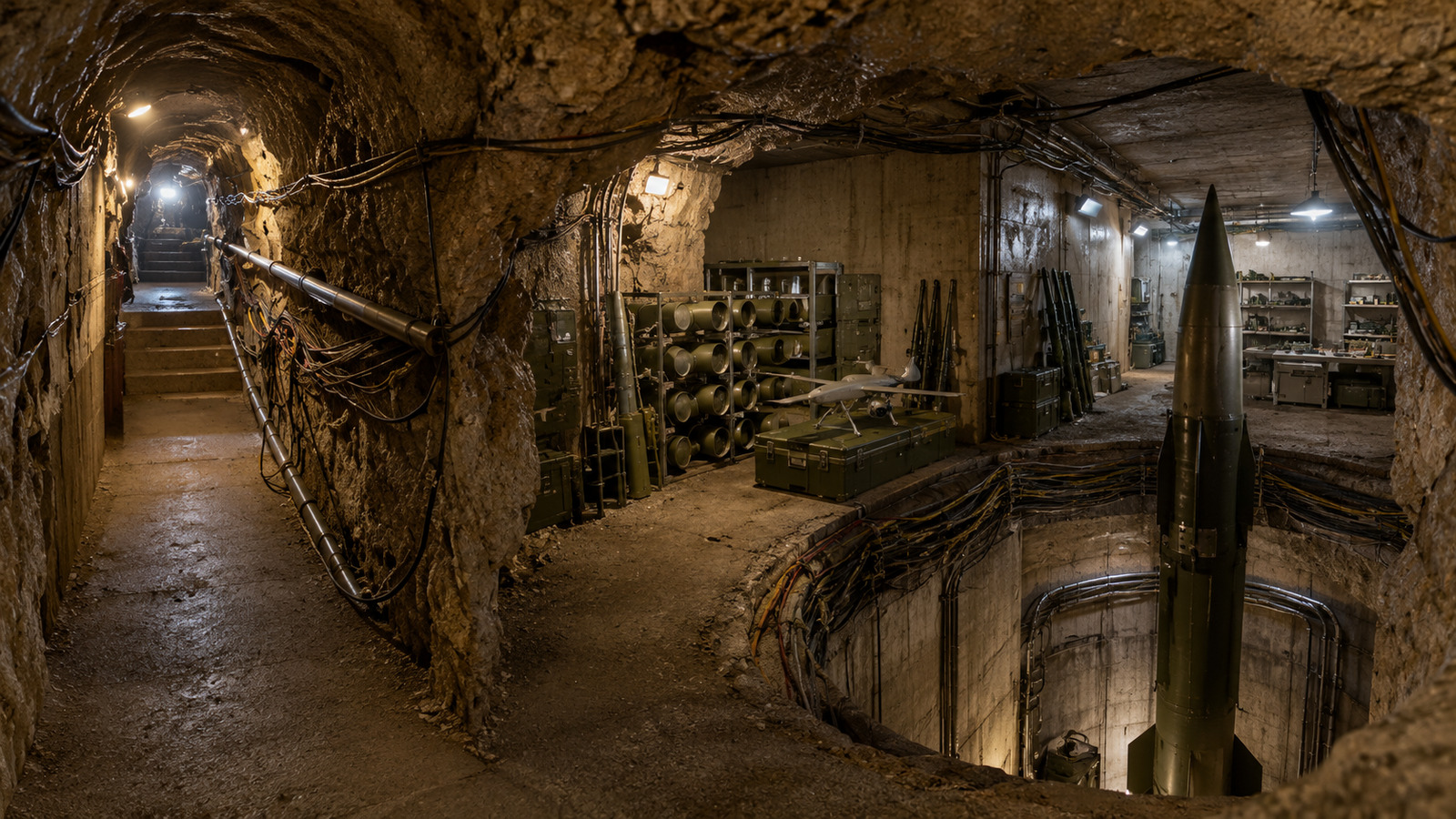
Israel finds Hezbollah militarized tunnel over 200 meters long under village, with 4 missile launch shafts, 12 chambers, anti-tank missiles, drones, and weapons depots at a depth of 25 meters.

-
Ukraine launches largest drone attack on Moscow since 2022, Russia claims to have intercepted nearly 200 aircraft near the capital, Kapotnya refinery targeted again, and offensive reignites alert about war reaching the Russian energy heart just a few kilometers from the Kremlin.

-
Truck drivers, freight, and fines from 2022 take center stage in politics: Chamber approves MP with amnesty, mandatory tracking by CIOT, million-dollar penalties, and new minimum wage for those who spend more than 24 hours on the road.

-
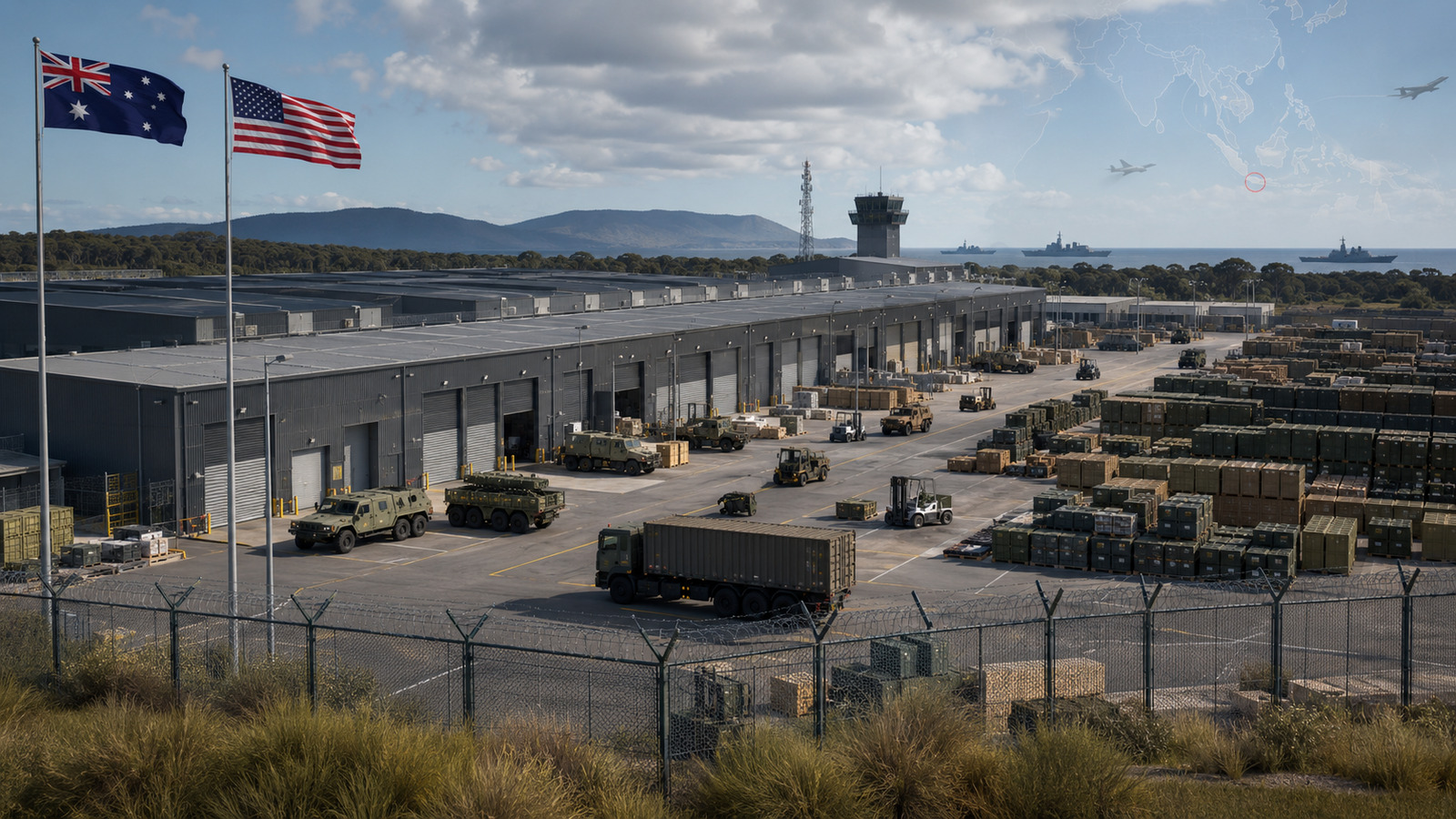
China off the radar: US plans mega $30 million weapons depot in Australia, out of reach of most Chinese missiles, with full capacity expected by 2028


The Statue of Liberty, on the other hand, is portrayed as the defeated aggressor, falling to pieces from Corcovado. The symbolism is evident: Iran constructs an image in which the United States attacks but ends up defeated. By using Christ the Redeemer in this role, Iranian propaganda attempts to associate Brazil with its own narrative of resistance against Washington, even without any official involvement of the Brazilian government in the production or dissemination of the content.
Iran’s propaganda strategy with artificial intelligence
The video of Christ the Redeemer is not an isolated case. Amid a direct confrontation between Iran and the United States and Israel, the country has started to depict military disputes and diplomatic tensions through cartoons, satirical videos, and fictional scenes created with the help of artificial intelligence. It is a modern and low-cost way of war propaganda, especially aimed at circulating on social networks.
These pieces have been shared by Iranian state media and Iranian embassies in the West, with the aim of mocking the United States’ performance in the Middle East war. The use of platforms like X and TikTok shows that the strategy targets engagement and virality, betting that eye-catching and easily shareable images reach more people than traditional official statements. Christ the Redeemer, in this case, became a tool for a message that goes far beyond Brazil.
The background: the threat of a 25% tariff on Brazil
To understand why Christ the Redeemer entered this narrative, it is necessary to look at the diplomatic context. The video emerged shortly after the Trump administration proposed a 25% surcharge on Brazilian products, alleging that Brazil would adopt trade practices considered “unreasonable” by the United States. According to the American Trade Office, the deadline for the implementation of the measures is until July 15, 2026, although the document also includes a list of exempt items.
The trade tension quickly gained political contours in Brazil. President Lula criticized the tariff hike and associated the taxation with meetings of members of the Bolsonaro family with the Trump administration. On the other hand, former President Donald Trump posted, on the same day of the proposal, a photo alongside Flávio Bolsonaro. This intersection between trade, diplomacy, and internal political dispute is the ground on which Iranian propaganda landed, and Christ the Redeemer, without asking, became a symbol of this collision.
When national symbols become weapons of narrative
The episode raises an interesting question about the role of monuments and postcards in the age of social networks and artificial intelligence. Christ the Redeemer and the Statue of Liberty are, above all, symbols of identity and values, faith, welcoming, freedom. By putting them to fight, propaganda reduces them to representations of states in conflict, emptying their original meaning in favor of a political message.
This phenomenon is not new, but artificial intelligence has made it much faster and more accessible. Producing a realistic scene of two monuments fighting, which previously required film crews and budgets, can now be done in minutes with AI tools. This multiplies the ability of any actor, including governments, to transform foreign symbols into pieces of propaganda. Brazil, in this case, saw its most iconic monument used in a dispute that is not its own, a reminder of how today’s narrative wars cross borders without asking permission.
What this case reveals about misinformation and geopolitics
More than a viral curiosity, the video of Christ the Redeemer is a symptom of how geopolitical conflicts today also take place in the symbolic and digital fields. The ease of creating persuasive content with artificial intelligence opens up space for political messages to circulate disguised as entertainment, reaching audiences that might never read a diplomatic analysis.
The risk is that this type of content blurs the line between information and propaganda. A video of monuments fighting may seem like just a joke, but it carries a deliberate political message, produced by a state with specific objectives. Recognizing the origin, context, and intention behind these pieces is essential to avoid consuming them naively. In the case of Christ the Redeemer, what seems like humor is, in practice, a calculated move within a global narrative war.
What did you think of the use of Christ the Redeemer in this Iranian propaganda? Do you think Brazil should speak out about having its monument used in a dispute that is not its own, or is it better to ignore it? And about the use of artificial intelligence to make political propaganda, does it worry you or is it just another form of communication? Leave your opinion in the comments.




-

1 person reacted to this.