Portuguese
  Spanish


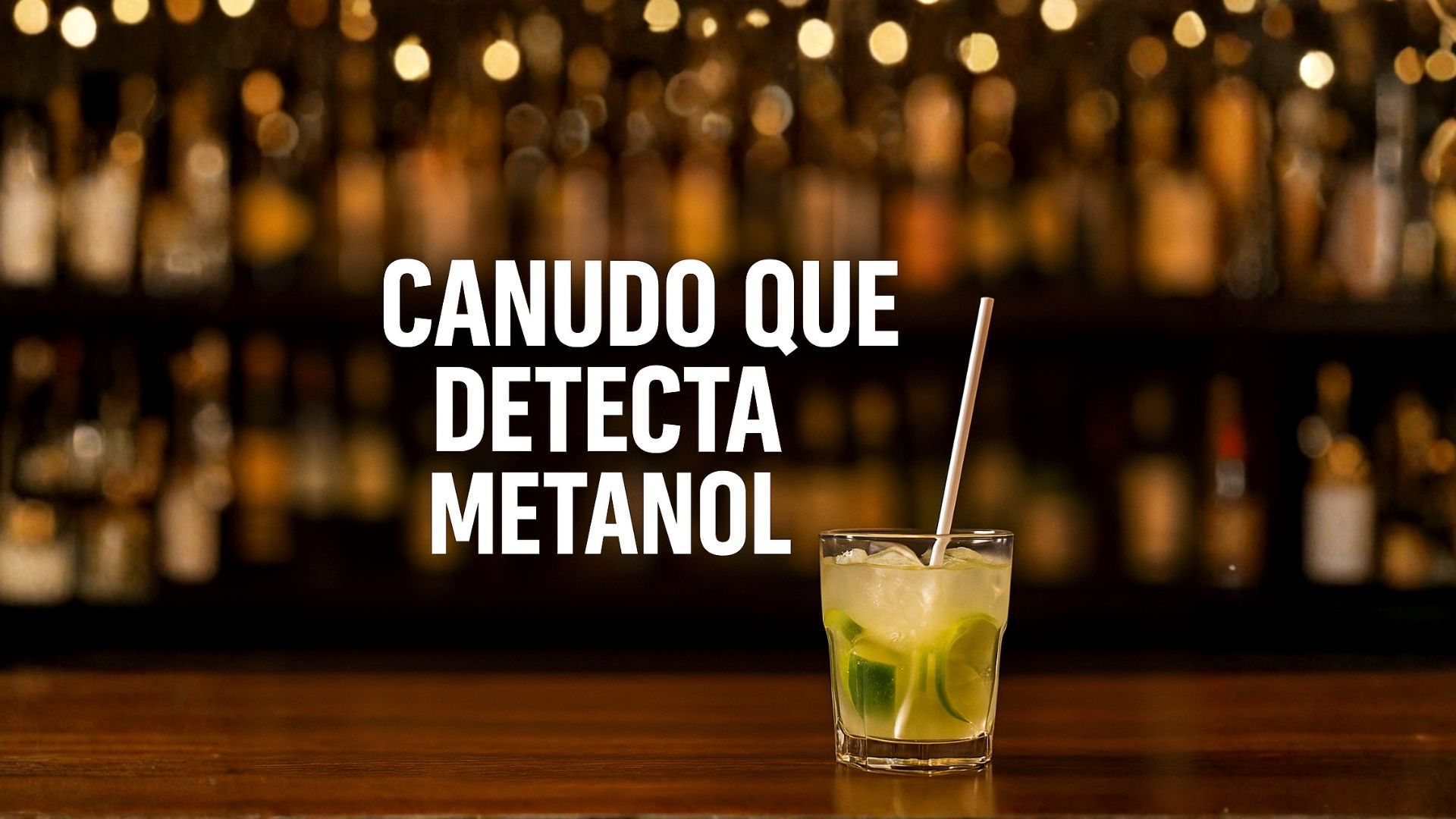

Device Developed By Researchers From The State University Of Paraíba Promises To Identify The Presence Of Methanol In Adulterated Drinks Through Color Change, Offering A Simple And Affordable Detection Alternative.
Researchers from The State University Of Paraíba (UEPB) have developed a device that identifies the presence of methanol in adulterated alcoholic beverages.
The equipment, in the shape of a straw, changes color upon contact with the substance and operates similarly to rapid tests, such as pregnancy tests.
The goal is to provide a low-cost and easy-to-use tool that can be utilized by distributors, establishments, and consumers to prevent intoxications.
-
Scientists Convert Food Waste into Aviation Fuel, Successfully Test 50% Blend with Conventional Kerosene to Cut Emissions and Promote Sustainable Flights

-
OnePlus N6 Smartphone to Launch in India with 8,000mAh Battery and 45W SuperVOOC Charging, Lasting Up to Three Days
-
Scientists Plan to Release Air Bubbles Underwater to Protect Antarctica’s “Doomsday Glacier” from Melting

-
Chinese R6000 Drone Combines Airplane and Helicopter Features, Carries Up to 12 People for Multiple Missions



How The Straw Detects Methanol
The project is under development at the Department and Graduate Program in Chemistry (PPGQ) at UEPB and has been conducted for about two years.
According to researchers, the straw is made of biodegradable material, containing chemical reagents protected internally, eliminating the risk of direct contact with the user.
When inserted into a beverage sample, the liquid rises through capillarity and interacts with the reagents.
If methanol is present, a chemical reaction occurs that alters the color of the straw, making the change visible from the outside.
According to researcher Railson de Oliveira Ramos, the operation is similar to that of a chromatographic column.
He explained that the reagents are isolated within the tube and that the color variation occurs within a few minutes, indicating the presence or absence of the compound.
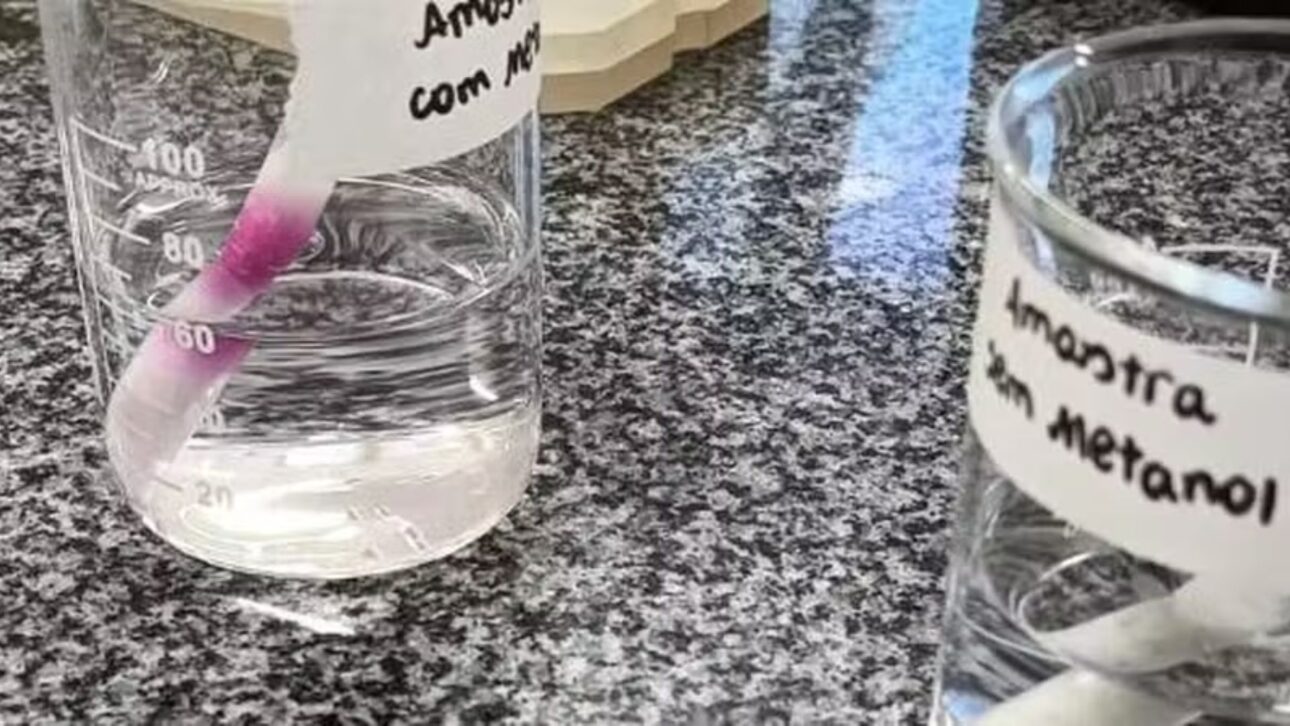
The tests conducted so far are qualitative, meaning the straw does not measure the amount of methanol present in the beverage, only indicating whether the substance exists or not in the analyzed sample.
Infrared Technology For Sealed Beverages
The development of the straw is a result of the expansion of a previous technology created by the same team.
The group had designed a system based on infrared radiation, capable of identifying adulterations in beverages even with sealed bottles.
The method consists of directing light onto the liquid.
The molecules in the beverage react differently according to their composition, and the system’s software processes these variations, indicating whether there are foreign substances, such as methanol, vehicle ethanol, or added water.
According to the UEPB team, the system achieved 97% accuracy in controlled laboratory analyses and is now moving to the phase of testing with real samples, a necessary step to validate performance and assess the possibility of commercial production.
Production And Application Of The Sustainable Straw
The group is working to turn the research into a sustainable, low-cost, and easy-to-use product.
The expectation is that the straw can be widely distributed and employed in routine tests in bars, restaurants, and distributors.
The UEPB’s Pro-Rector of Graduate Studies, Nadja Oliveira, highlighted that the technology can enhance consumer confidence in beverages by allowing a quick safety check before consumption.
According to her, the device has the potential to be used by both companies and consumers, “in a practical way and without the need for additional equipment.”
Interest Of The Ministry Of Health
The project’s advancement caught the attention of the Ministry Of Health, which discussed with the university ways to incorporate the technology into public policies for preventing methanol intoxications.
The meeting included the presence of Minister Alexandre Padilha and the President of the Chamber of Deputies, Hugo Motta (Republicans-PB), according to UEPB’s own information.
Researcher Railson de Oliveira reported that the next step is the creation of a colorimetric kit based on the same reaction as the straw.
The system will allow for a quick check of whether there is methanol in a sample, without measuring the concentration.
“The goal is to provide a simple, accessible, and rapid-response kit that can be used in any environment,” he stated.


What Is Methanol And Its Risks
Methanol is a highly toxic alcohol used in industrial processes and should not be consumed.
When present in adulterated drinks, it can cause blindness, neurological damage, and death.
According to specialists, even small doses represent a high risk since the substance is rapidly absorbed by the body.
Recent cases of methanol poisoning have led the Ministry of Health to intensify monitoring.
According to data released by the ministry, there have been 47 confirmed cases and nine deaths so far, with 57 occurrences under investigation.
Health authorities state that these occurrences are associated with the consumption of adulterated alcoholic beverages or those of unverified origin.
Steps And Challenges Until Commercial Production
According to the UEPB team, the reagents used in the straw remain confined within the tube, preventing hazards of exposure and contamination.
The group is now seeking industrial and institutional partnerships to enable production and define standards for quality control and technical validation.
According to researchers, standardizing the color reading and creating clear usage instructions are among the most important steps for the product to reach the market.
It will also be necessary to evaluate the economic feasibility of production and the distribution logistics to serve different regions of the country.
Food safety experts evaluate that technologies like this can strengthen inspection strategies and reduce the number of frauds in the beverage sector, if implemented alongside sanitary control and traceability actions.
Potential Impacts On The Market And Public Health
If the technology is validated and adopted on a large scale, bars, restaurants, and distributors will be able to test drinks before commercialization, increasing quality control.
The infrared system would allow inspections without opening the bottles, while the straw would serve as a rapid field test.
Researchers at UEPB claim that, with the combined use of both solutions, it would be possible to identify adulterations more early, reducing risks to consumers and helping authorities trace contaminated batches.
For the Ministry of Health, the development of national technologies in this area represents a complementary tool for surveillance and prevention, especially during periods of increased cases of intoxication from illegal beverages.
The university stated that tests with real samples are underway and the results should support certification protocols prior to commercial manufacturing.
The use of devices like the detection straw may become a common practice in establishments in the future if the product reaches the market.