Portuguese
  Spanish




According to Journalist Josué Aragão, Brazil is undergoing a cycle of restructuring that pressures skilled jobs, with effects concentrated in industrial cities and supply chains.
The discussion about jobs gained momentum with three symbolic movements analyzed by Josué Aragão. ADM shut down operations in Três Corações, Minas Gerais, Carrefour announced layoffs of over 2,000 employees, and Taurus hinted at the possibility of transferring around 15,000 positions to the United States. For Aragão, these cases reveal a pattern of deindustrialization affecting multiple sectors and salary ranges.
Alongside these episodes, the journalist cites layoffs at Gerdau, the closure of Nissan’s design center in São Paulo, and the decision by Toyota to close the factory in Indaiatuba, with part of the production migrating to Sorocaba. The common thread, according to Aragão, is competitive pressure on the local industry and worsening conditions for maintaining high-paying jobs.
Who Is Affected and Where Are the Cuts
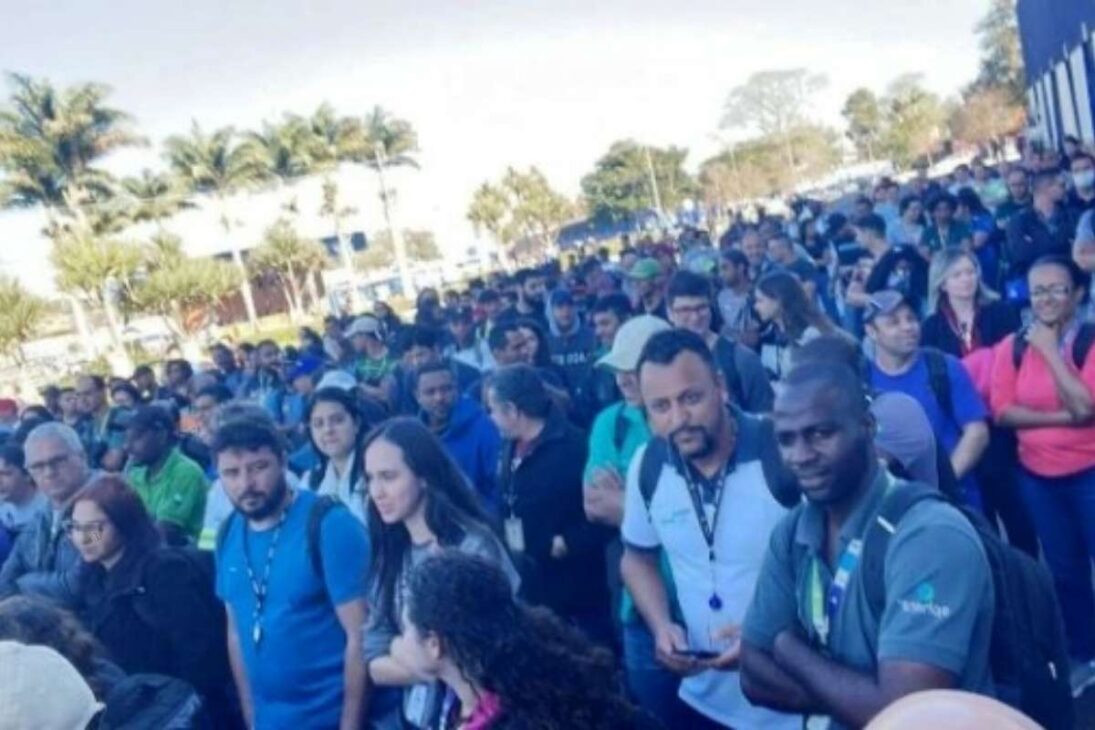
In retail, Carrefour announced the dismissal of over 2,000 workers, a move that, according to Aragão, contrasts with consumption indicators that suggest sector expansion.
-
As Brazil Expands Social Welfare, Survey Reveals 40% Blame Poverty on Laziness, While 58% Cite Lack of Opportunities

-
China Tightens Control on Antimony, Driving Prices from $22,000 to Nearly $40,000 per Ton as U.S. Rushes to Bolster Strategic Reserves

-
BlackRock Freezes $1 Billion in Brazilian Renewable Energy, Impacting 1.5 GW of Planned Projects and Highlighting Investor Concerns Over Infrastructure Bottlenecks Cutting Up to 25% of Solar and Wind Generation
-
Labor Shortage: Despite Record Average Salary, 90% of Brazilian Bar and Restaurant Owners Struggle to Hire Key Roles Like Sushi Chefs and Head Cooks


The impact on jobs is likely to spread to service providers, logistics, and local small suppliers.
In the manufacturing industry, Gerdau reportedly eliminated more than 1,500 positions across different plants, specifically mentioning Pindamonhangaba and Mogi das Cruzes.
Aragão emphasizes that Toyota will close the factory in Indaiatuba, relocating part of the production to Sorocaba, and that Nissan closed its design studio in São Paulo.
For the journalist, these movements reposition skilled jobs and weaken the capacity to design and develop products in the country.
Why Are Companies Cutting Jobs Now

The central argument is that the domestic market has been flooded with products below cost, forcing steelmakers to reduce production and reevaluate investments.
From the journalist’s perspective, insufficient trade defense measures deepen the loss of competitiveness and pressure industrial jobs.
Beyond price competition, the cost environment is pointed out as a barrier. High tax burden, idle capacity, and compressed margins compose the picture described by Aragão.
Without structural adjustments, companies react by cutting expenses, redirecting projects, and ultimately reducing job positions.
How Many Jobs Are Being Cut and What Type of Jobs Are Disappearing
The numbers cited by Aragão include over 1,500 layoffs at Gerdau, nearly 900 at ADM, more than 2,000 at Carrefour, and the possibility of 15,000 jobs leaving the country with Taurus’s eventual move.
The journalist also mentions nearly 50 percent idleness in Cubatão and difficulties in allocating production in Ipatinga.
The loss particularly affects positions paying three to ten minimum wages, which, according to Aragão, have recently shown negative balances.
This recomposition, the journalist notes, displaces experienced workers to a market where offers are concentrated between one and one and a half minimum wages, along with a greater participation of young individuals in new hires.
The result is a decline in average income and pressure on families that relied on better-paying industrial jobs.
Where This Process Is Concentrated and Which Sectors Feel the Impact First
The concentration of effects occurs in mono or bi-industrial cities, which revolve around an anchor plant. Três Corações, Indaiatuba, and the mentioned steel hubs by Aragão illustrate the risk of economic voids when a large company slows down.
Transport, food, industrial maintenance, and local commerce are links immediately affected by job contraction.
In automakers and system suppliers, the effect is multiplicative.
A line halt or migration reverberates on tool shops, stamping plants, plastic injection, and specialized technical services.
For Aragão, the loss of engineering and design capabilities reduces technological density, complicating the future recovery of higher-skilled jobs.
Is It Worth Waiting or Acting Now


Aragão reflects that merely waiting for import tariffs to change does not resolve the central problem of costs and productivity.
He suggests that decisions regarding asset and jobs maintenance need to consider the rebalancing of inputs, logistical efficiency, and regulatory predictability.
Companies with solid productivity-gain projects tend to navigate bad cycles while preserving part of their workforce and reallocating critical roles.
For workers, the practical recommendation is to invest in upskilling, focusing on advanced maintenance, automation, and quality—skills that tend to be less replaced in short-term adjustments.
Cities and states, in turn, can accelerate productive reconversion programs to mitigate job loss and attract new links from chains already present in the territory.
Josué Aragão’s diagnosis connects visible cases to a broader trend of industrial reconfiguration, with immediate effects on jobs with medium and high salaries.
The competition with imports, coupled with local costs and idleness, has led companies to cut, consolidate, and migrate operations.
Without a competitiveness agenda, the country risks losing critical mass in production, engineering, and industrial services.
Do you see a way out through trade defense, through reforms of the Brazilian cost structure, or through productivity agreements between companies and local governments? In your city, which sectors have lost the most jobs this year, and which could quickly receive new investments? Share your concrete experience in the comments, including area, occupation, and effects on income and professional qualification.